
REVIEW · ROME
Rome: Doria Pamphilj Gallery Private Tour
The Doria Pamphilj Gallery gives you something Rome’s grand public museums cannot: a look inside a private noble palace still arranged around an old family collection. The paintings fill four wings of the Palazzo Doria Pamphilj, with works set in orderly rows from floor to ceiling. The prize is Velazquez’s portrait of Pope Innocent X, but Caravaggio, Titian, Raphael, Bernini, and Flemish painters make this a full two hours of serious art.
I like the private format, since your guide can explain why a painting matters instead of leaving you to decode a room on your own. I also like the mix of great names and the chance to step into the Gallery of Mirrors, a photogenic room that gives the visit a welcome change of pace.
The main drawback is practical: two hours can feel tight in a collection this large, especially if you want to linger at every painting. The gallery is also not recommended for people with limited mobility, wheelchair users, or anyone carrying large luggage.
Key points to know before you book
- Four palace wings: The collection is arranged through four sections of the Doria Pamphilj residence, with art displayed from floor to ceiling.
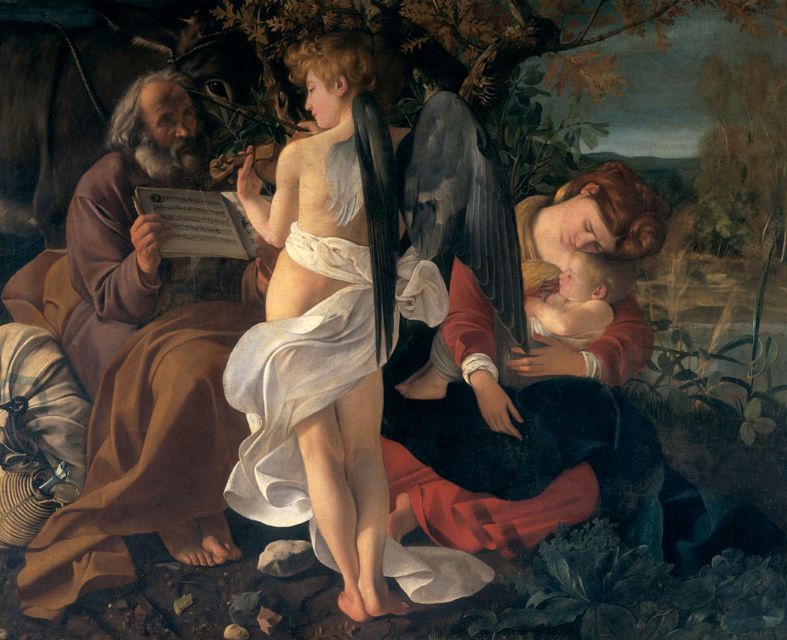
- Caravaggio’s early works: See Rest on the Flight into Egypt and Penitent Magdalene, two major reasons to choose this gallery.
- Velazquez’s papal portrait: The portrait of Pope Innocent X is one of the visit’s essential stops.
- Private guide, private group: You receive a dedicated English or Italian guide rather than joining a large shared group.
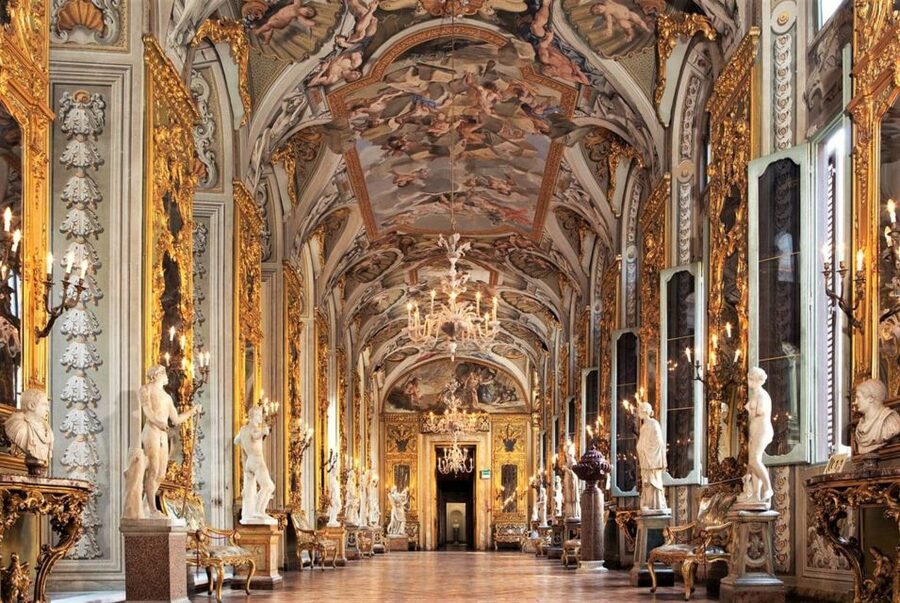
- Gallery of Mirrors: Leave time for this ornate room, which makes one of the best photo stops.
- Two-hour schedule: The tour covers a lot, so a guide helps you focus on the best works without wandering aimlessly.
Inside the Palazzo Doria Pamphilj
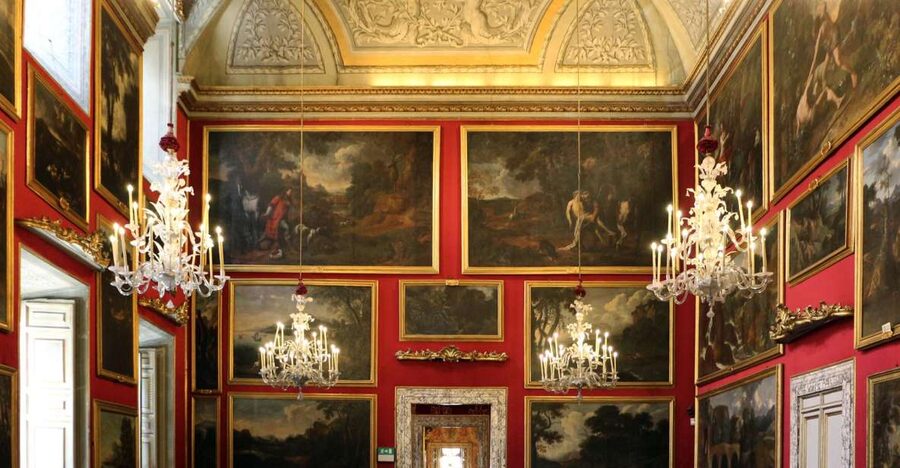
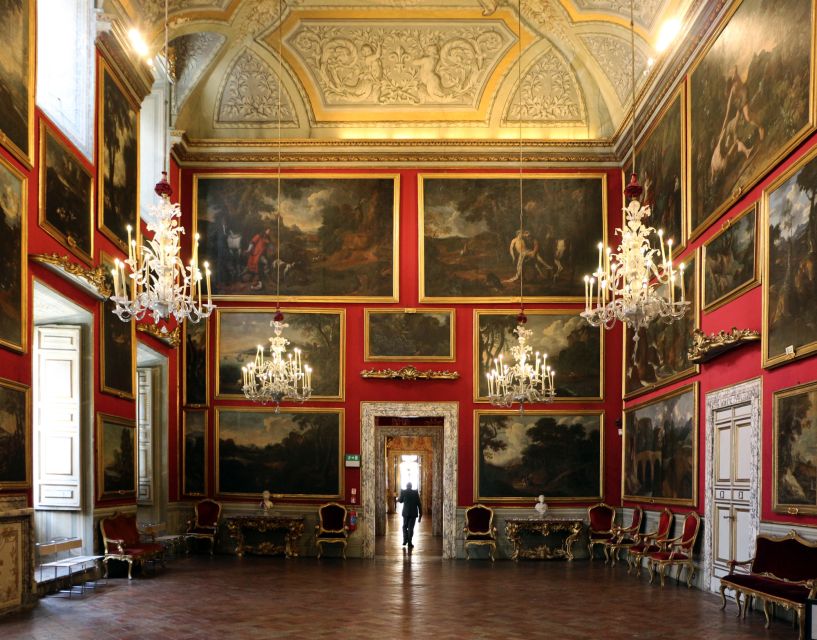
The setting is half the pleasure. You enter the Doria Pamphilj Gallery in the Palazzo Doria Pamphilj, a Roman palace that houses the family’s private art collection. This is not simply a white-walled museum with numbered objects. The works are displayed as part of an old aristocratic home, giving the visit a more personal and slightly theatrical feel.
Your guide leads you through four wings of the building. Paintings are arranged in chronological order, and the display rises from floor to ceiling. That arrangement can look crowded if you are used to modern galleries, but it tells you something about how private European collections were built and enjoyed.
A private guide helps here. Without context, you could pass quickly through a room and see only a mass of gilt frames. With an explanation of the family, the painters, and the period, you can understand why particular works received pride of place.
The meeting point is also the finishing point. Arrive 15 minutes before the start, and look for a guide holding a sign with the tour name. Your guide provides the entry tickets, so you do not need to arrange a separate museum admission.
More Art Museum Tours in Rome
- Vatican Museums, Sistine Chapel & St. Peter’s Basilica Tour
★ 4.3 · 73,970 reviews - Vatican Museums, Sistine Chapel & St Peter’s Basilica Guided Tour
★ 4.5 · 39,149 reviews - Rome: Vatican Museums, Sistine Chapel and Basilica Tour
★ 4.3 · 16,039 reviews
Raphael, Titian, and the Renaissance rooms
The first part of the visit introduces you to Renaissance painting and the artists who shaped later European art. Raphael is one of the names to watch for. His work is a useful starting point because it lets your guide discuss the Renaissance interest in balance, clear composition, and idealized human figures.
Titian’s Salome with the Head of John the Baptist is another major stop. The subject is dramatic, but Titian’s handling of color and flesh gives the painting a quieter pull than the title might suggest. Ask your guide to explain how the work fits into Venetian painting and why Titian’s approach mattered.
The gallery also includes Tintoretto and other Renaissance painters. You will see how artists from different parts of Italy handled religious subjects, portraiture, and storytelling in their own ways. A guide can point out these differences without turning the visit into a lecture full of dates.
Because the paintings are placed in chronological order, you can follow a broad change in style as you move through the rooms. The exact sequence of your explanations may depend on the guide and the pace of the group, but the layout gives the tour a sensible backbone.
Caravaggio’s two early paintings
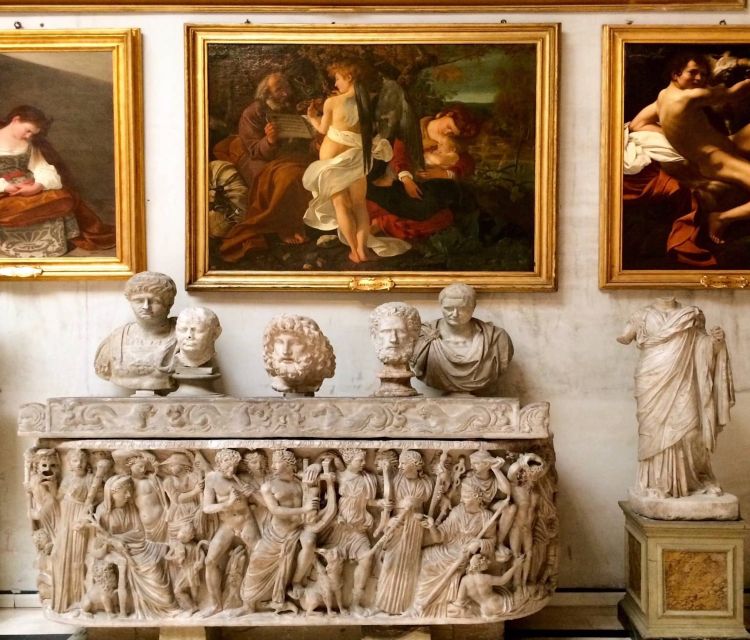
Caravaggio is one of the strongest reasons to choose this tour. The gallery contains Rest on the Flight into Egypt and Penitent Magdalene, two early works that show his gift for making religious scenes feel close, human, and emotionally direct.
In Rest on the Flight into Egypt, the Holy Family is shown during a pause rather than at a moment of action. That small choice matters. Instead of presenting a distant sacred event, Caravaggio brings the scene down to the level of tired bodies, quiet attention, and ordinary rest.
Penitent Magdalene offers a different mood. The subject turns inward, and Caravaggio uses light and shadow to focus your attention on the figure’s face and posture. These are paintings worth seeing slowly, even if the overall tour moves at a steady pace.
This is where a private guide can add real value. You can ask why the works are considered early Caravaggio, how the lighting works, and what details to look for. The visit is not only about checking off a famous name. It is about learning to recognize the choices that make Caravaggio’s paintings feel so immediate.
Velazquez and the portrait of Pope Innocent X
Velazquez’s Portrait of Pope Innocent X is the gallery’s headline work. It is famous for good reason, but you do not need to arrive with a background in Spanish painting to appreciate it.
The portrait has a forceful presence. The pope looks directly outward, and the red of his robes gives the work a strong visual focus. Velazquez was not interested in making a bland official image. His portrait suggests authority, intelligence, and perhaps a guarded temperament.
Your guide can explain the story behind the painting and its place in Velazquez’s career. That kind of background helps you look beyond the famous name. You begin to notice the expression, the fabrics, the chair, and the way the figure occupies the space.
The portrait is also a good example of why this gallery works best with a guide. You might recognize the painting immediately, take a quick photo, and move on. A guide such as Vincenzo can slow the moment down and connect the image to the wider culture of the period. His lively approach has been especially appreciated, and he has been praised for making the artists’ stories clear and enjoyable.
More private gallery tours in Rome:
- Private Vatican Museums and St. Peter’s Basilica Early Bird Tour
★ 5.0 · 980 reviews - Private Vatican Museums Tour with Sistine Chapel & St. Peter’s Basilica
★ 4.5 · 547 reviews - Private Vatican Museums Hidden Gems Tour with Optional Pick-Up
★ 5.0 · 253 reviews - Private Vatican Museums, Sistine Chapel and Basilica with Pick-up
★ 5.0 · 171 reviews
Bernini, Flemish masters, and the wider collection
The Doria Pamphilj Gallery is not just a Caravaggio and Velazquez stop. You will also encounter works connected with Bernini, along with paintings by various Flemish masters.
Bernini adds another art form to the visit. Even when the focus remains on painting, his presence reminds you that Roman Baroque art was not limited to canvases. Sculpture, architecture, portraiture, and theatrical display all worked together in this period.
The Flemish works broaden the collection further. Their inclusion gives you a chance to compare northern European detail and technique with the Italian traditions seen elsewhere in the palace. Your guide can help you identify shifts in color, subject, and surface treatment.
This variety is valuable, but it can also make the gallery feel dense. You will not give every artist equal attention in two hours. That is not a flaw in the tour so much as a fact of the collection. The private format lets you ask your guide to spend more time with Caravaggio, Velazquez, Titian, or Raphael if those artists matter most to you.
The Gallery of Mirrors photo stop
The Gallery of Mirrors provides a break from close study of paintings. The room is designed to impress, with reflective surfaces and ornate decoration that make it one of the most memorable spaces in the palace.
You will want your camera ready, but keep the stop in proportion. The mirrors are part of the building’s visual drama, not a replacement for the collection. A quick photo is enough for many people, though you may wish to pause longer if interiors interest you.
I like this part of the itinerary because it shows how the family collection was meant to be experienced. The palace was not only a storage place for paintings. It was a setting for ceremony, display, and visual pleasure. The mirrors help connect the art to the world of the people who assembled it.
Why a private tour matters here
A private tour costs $135.94 per person and lasts two hours. That is a substantial price compared with simply entering a museum on your own, but the value depends on how much help you want with the collection.
You are paying for entry tickets and a private local guide. You are not paying for hotel pickup or drop-off, so you need to reach the meeting point independently. Since the visit is limited to your private group, you avoid the pace and questions of a large shared party.
I think the price makes the most sense for first-time art visitors, couples, families, or small groups who want the main works explained in plain language. It is also a good fit if your Rome schedule is crowded and you want to make two hours count.
Independent art lovers may prefer to visit alone and spend as long as they like with individual paintings. The fixed two-hour format is less flexible, and the gallery contains more art than anyone can study fully in one visit. Still, the guide gives you a clear route and helps prevent the famous works from becoming a blur of names.
The reserve-now, pay-later option also gives you some planning flexibility. You can cancel up to 24 hours before the activity for a full refund, according to the stated terms. Starting times vary, so check availability before building the rest of your day around it.
Practical details that can affect your visit
The tour is offered in English or Italian. If you want detailed discussion of the paintings, choose the language in which you can ask questions most comfortably.
Arrive 15 minutes early. Your guide holds a sign with the tour name and hands you the entry tickets. Since there is no hotel pickup, allow enough time to reach the meeting point without rushing.
Large bags and luggage are not allowed. That matters if you are visiting between hotels, arriving from a train, or carrying a full daypack. Store bulky items before you arrive.
The gallery is not recommended for people with limited mobility and is not suitable for wheelchair users. If stairs, standing, or movement through historic interiors could be difficult for you, contact the provider before booking rather than assuming the building will meet your needs.
The tour ends back at the meeting point. That makes it easy to continue sightseeing in central Rome, but you will need to arrange your next stop yourself.
Who will enjoy this gallery tour most?
You should consider this tour if you enjoy art but do not want to spend half a day reading labels. The guide gives you a route through a large collection and explains why the best-known paintings deserve your attention.
It is especially suitable if Caravaggio, Velazquez, Titian, or Raphael is on your Rome wish list. You also get enough variety to keep the visit interesting if your interests extend to Bernini, Tintoretto, or Flemish painting.
Families and mixed-interest groups may find the private format useful. One person can ask about technique, another can ask about palace life, and the guide can adjust the conversation. The energetic style associated with Vincenzo is likely to suit people who prefer stories and discussion over a silent museum visit.
You might skip it if you want a completely self-directed visit, need wheelchair access, or have large luggage with you. You might also prefer a longer museum visit if you want to study every room in detail.
Should you book the Doria Pamphilj Gallery private tour?
Book it if you want a focused introduction to one of Rome’s less familiar art collections, with major works by Caravaggio, Velazquez, Titian, and Raphael in a palace setting. The private guide is the main value: you get context, a sensible route, and room to ask questions.
The strongest case is the combination of Caravaggio’s two early works, Velazquez’s portrait of Pope Innocent X, and the Gallery of Mirrors. The main caution is the price and the limited two-hour schedule. For art lovers who want close, personal explanation, $135.94 per person can be fair. For independent visitors who prefer to linger alone, a self-guided visit may suit you better.
FAQ
How long does the Doria Pamphilj Gallery private tour last?
The tour lasts two hours. Starting times vary, so check availability when booking.
What is included in the tour price?
Entry tickets and a private local guide are included.
Is hotel pickup provided?
No. Hotel pickup and drop-off are not included, so you must reach the meeting point independently.
Where does the tour start?
The tour starts at the stated meeting point for the activity. Arrive 15 minutes early and look for a guide holding a sign with the tour name.
Where does the tour end?
The activity ends back at the meeting point.
What languages are available?
The live guide is available in English or Italian.
Is this a private group tour?
Yes. The tour is operated for a private group rather than as a shared group experience.
Which artists can I see during the visit?
The collection includes works by Raphael, Titian, Caravaggio, Velazquez, Tintoretto, Bernini, and various Flemish masters.
Can I bring large luggage or bags?
No. Luggage and large bags are not allowed.
Is the tour suitable for wheelchair users?
No. The activity is not suitable for wheelchair users and is not recommended for people with limited mobility.
Just added around Rome
- Colosseum,Vatican Museum & Sistine Chapel in One Day Guided Tour★ 3.5 · 9 reviews
- Private Tour Of Rome Highlights And Vatican Museums Skip-The-Line all included★ 5.0 · 4 reviews
- Vatican Museums and Sistine Chapel last entry Guided Tour★ 5.0 · 3 reviews
- Borghese Gallery Admission Ticket with Audioguide★ 4.0 · 64 reviews
- Caravaggio Art Walking Tour of Rome with Pantheon Visit★ 4.5 · 35 reviews
- Borghese Gallery Skip the Line Guided Tour★ 4.5 · 23 reviews
- Borghese Gallery Ticket with Audioguide★ 3.5 · 51 reviews
- Borghese Gallery VIP Tour – Skip the Line Tickets★ 5.0 · 2 reviews
Art Museum Tours in Rome, compared.
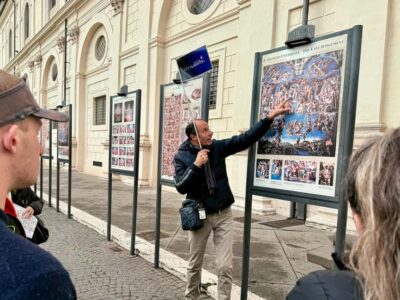
Vatican Museums, Sistine Chapel & St. Peter’s Basilica Tour
Read our review →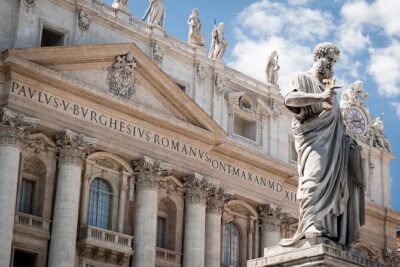
Vatican Museums, Sistine Chapel & St Peter’s Basilica Guided Tour
Read our review →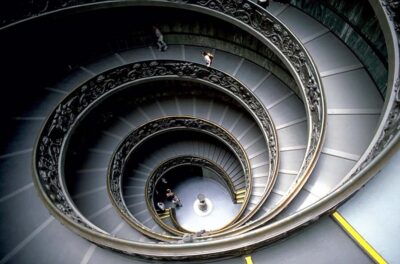
Vatican Museums, Sistine Chapel and Basilica Tour
Read our review →
Vatican Museums & Sistine Chapel Skip-the-Line Entry Ticket
Read our review →
Vatican Museums, Sistine Chapel & Basilica Tour
Read our review →
Vatican Museums & Sistine Chapel Guided Tour
Read our review →
Vatican Museums & Sistine Chapel Skip-the-Ticket-Line Tour
Read our review →
Vatican Museums, Sistine Chapel and St. Peter’s Basilica Tour
Read our review →Browse the lists this tour appears in