
REVIEW · ROME
Rome: Doria Pamphilj Gallery Guided Tours
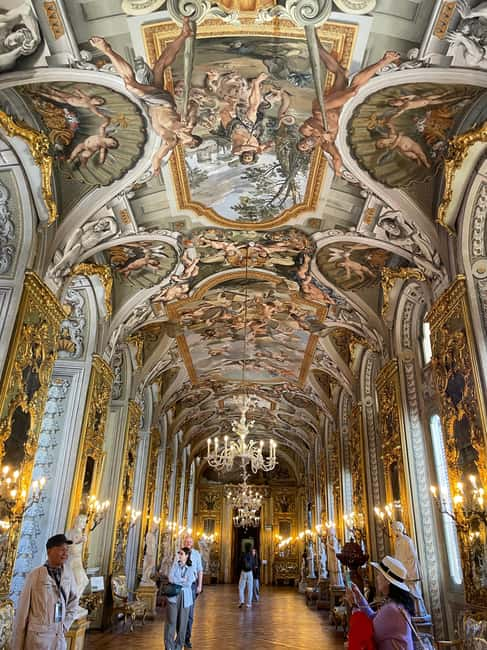
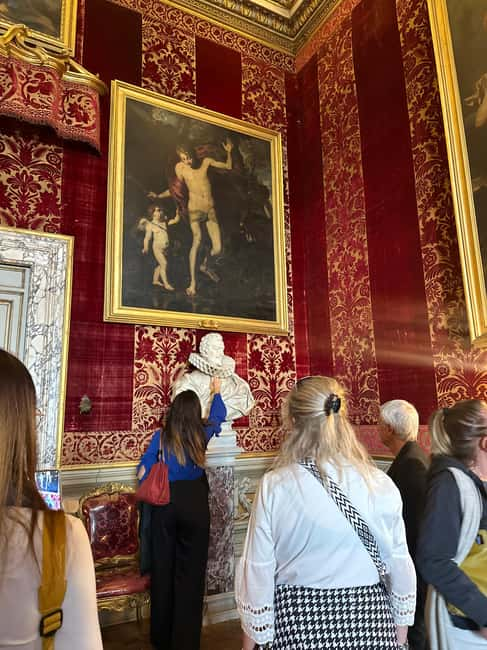
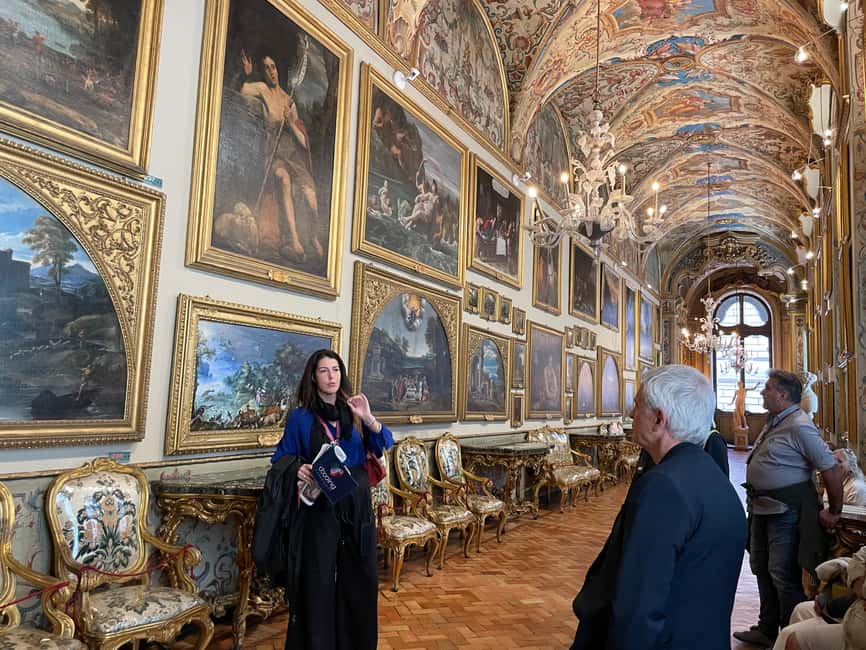
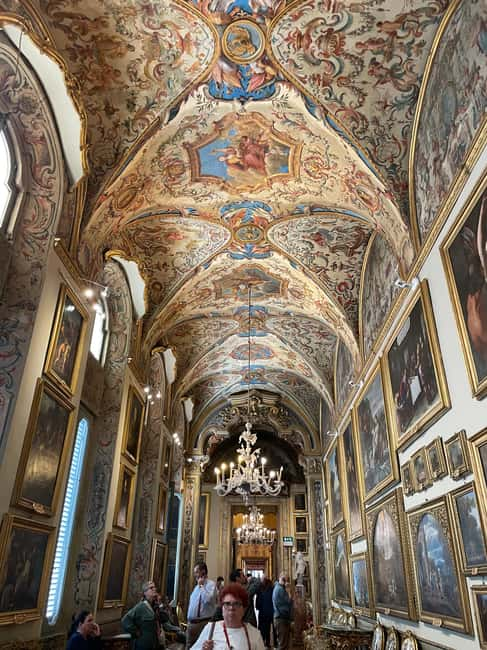
The real surprise here is that Rome’s grandest art may be hanging in a family home rather than a public museum. The Doria Pamphilj Gallery still occupies an aristocratic palace, so you see paintings beside gilded ceilings, chandeliers, frescoes, and old furnishings.
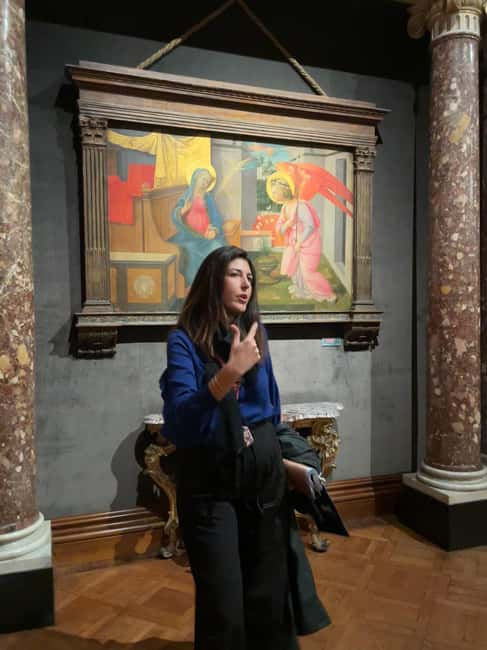
I like the focus on Caravaggio and Velázquez, especially the intimate setting for Rest on the Flight into Egypt and Velázquez’s portrait of Pope Innocent X. I also like the small-group format and the guides’ art training. Martina has a gift for linking paintings and sculpture to Rome’s story, while Silvia is praised for clear, warm explanations.
The main drawback is access. This is not a good choice for wheelchair users or people with mobility impairments, and backpacks, food, drinks, and flash photography are not allowed. You also need to meet the staff at the Fontana del Facchino before the palace visit begins.
Key points to know before you go
- Caravaggio and Velázquez are the main artistic prizes: See Rest on the Flight into Egypt, Penitent Magdalen, and the famous portrait of Pope Innocent X.
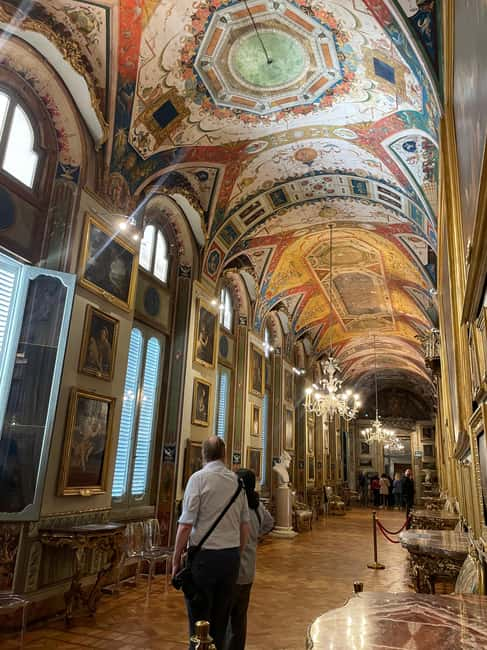
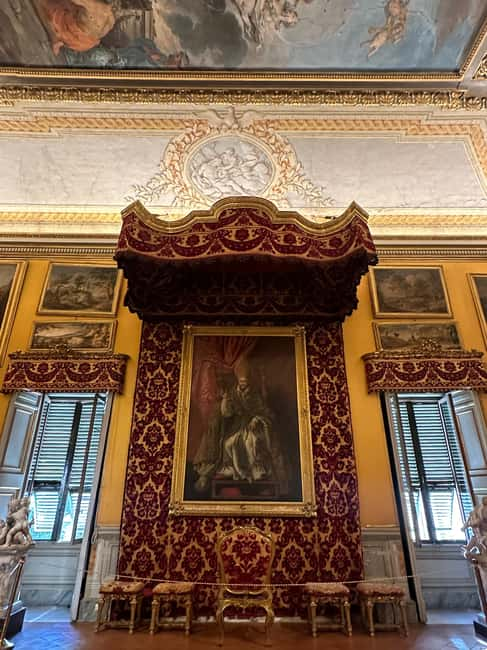
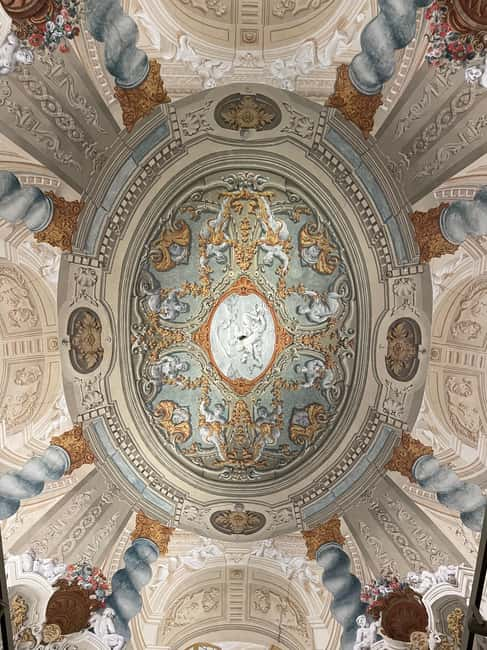
- The setting is part of the collection: Gold ceilings, silk-draped rooms, frescoed passages, chandeliers, and period furniture make the palace feel like a lived-in noble residence.
- The tour lasts two hours: That is enough time for a guided introduction without turning the visit into an all-day museum commitment.
- Small groups make a difference: A guide can point out details that are easy to miss in the palace’s crowded visual surroundings.
- Guides include Martina, Silvia, and Zenda: Martina is praised for connecting art to Roman history, while Silvia is noted for precise, friendly explanations.
- The meeting point is outside the gallery: Find the blue Doooing Experience flag at the Fontana del Facchino on Via Lata.
Why this palace feels different from a standard Rome museum
Rome gives you plenty of grand museums, but the Doria Pamphilj Gallery offers a different experience. You are not simply moving from one white-walled room to another. The art remains inside a palace built in the 1500s and still connected with the Doria Pamphilj family.
That changes the way you see the collection. A painting is framed by carved details, patterned walls, old furniture, and shining fixtures. The building tells you how an influential Roman family displayed wealth, taste, and power. It also helps explain why the collection includes religious scenes, papal portraits, mythological subjects, and works from Italian and Flemish artists.
I find this kind of setting especially useful if you want art to feel tied to daily life. You can picture popes, princes, and family members moving through the same grand rooms. The palace is not a neutral box built only to show paintings. Its rooms carry their own message.
The visual effect can be busy. Gold, silk, frescoes, sculpture, furniture, and paintings all compete for your attention. That is one reason a live guide matters here. Without help, you might admire the decoration and miss the fine detail in a small Caravaggio or the expression on a papal portrait.
More Art Museum Tours in Rome
- Vatican Museums, Sistine Chapel & St. Peter’s Basilica Tour
★ 4.3 · 73,970 reviews - Vatican Museums, Sistine Chapel & St Peter’s Basilica Guided Tour
★ 4.5 · 39,149 reviews - Rome: Vatican Museums, Sistine Chapel and Basilica Tour
★ 4.3 · 16,039 reviews
Meeting at the Fontana del Facchino
Your tour begins away from the gallery entrance, at the Fontana del Facchino on Via Lata, 00186 Rome. The published coordinates are 41.898311614990234, 12.481409072875977.
Look for staff holding a blue flag marked Doooing Experience. Allow enough time to find this meeting point, since arriving at the palace itself instead of the fountain could create a needless rush. The meeting arrangement also means you should not treat the gallery entrance as the starting point for the tour.
From there, the group proceeds into the palace with the guide. Daily departures are offered at several times, so you can usually fit the two-hour visit around other Rome plans. Check the available start times when booking, since the exact schedule can change.
Comfortable shoes are a sensible choice. The activity is not suited to wheelchair users or people with mobility impairments, so check this carefully before paying. Backpacks are not allowed, and food and drinks must stay outside the gallery. Flash photography is also forbidden.
The opening rooms: frescoes, chandeliers, and family power
The first part of the visit sets the scene. Rather than rushing straight to the most famous paintings, your guide introduces the palace and the family that assembled the collection.
The Doria Pamphilj name links several powerful Roman families and a long period of aristocratic influence. Your guide explains the people who shaped the household and the popes and princes who passed through its rooms. That background gives the paintings more purpose. A portrait is not just a face on canvas when you understand the political and family network behind it.
You move through rooms with gilded ceilings, period furniture, silk coverings, and frescoed corridors. The details are not mere decoration. They show how art was once displayed for family use, status, devotion, and conversation.
This is also where the guided format earns its keep. In a private palace, there may be no broad wall text giving you the full story. A good guide can tell you where to look, explain the family connections, and stop the visit from becoming a blur of gold frames.
The tour is offered in English, Italian, and Spanish. Private groups are available, which may suit families or friends who want to ask more questions at their own pace.
Caravaggio’s quiet drama
Caravaggio is one of the strongest reasons to book this visit. The collection includes Rest on the Flight into Egypt and Penitent Magdalen, two works that show his ability to make sacred subjects feel close and human.
Rest on the Flight into Egypt is especially important because it is not presented as a distant, formal religious scene. The subject is intimate and still, with the family group at rest. A guide can help you notice how Caravaggio handles light, gesture, and the contrast between ordinary human feeling and a sacred story.
Penitent Magdalen offers another kind of emotional focus. Rather than relying on grand action, the painting draws attention to the figure’s inward mood. In a palace room, surrounded by other works and rich furnishings, it is easy to miss how restrained the image can be. Your guide helps pull your attention back to the painting itself.
Caravaggio’s pictures also benefit from a live explanation because his place in Rome’s art world involves more than style. The guide can connect his work to the city, its patrons, and the period’s taste for direct, forceful religious images. The supplied tour information does not give a full catalog of every stop, so I would not expect a painting-by-painting survey of the whole collection. Think of Caravaggio as a major focus within a broader palace tour.
A few more gallery visits around Rome worth comparing
- Rome: Vatican Museums & Sistine Chapel Guided Tour
★ 4.3 · 12,117 reviews - Vatican Museums, Sistine Chapel & St Peter’s Basilica Guided Tour
★ 4.5 · 3,543 reviews - Rome: Borghese Gallery Ticket + Audioguide or Guided Tour
★ 4.6 · 3,219 reviews - Rome: Borghese Gallery Guided Tour with Skip-the-Line Entry
★ 4.8 · 2,649 reviews
Velázquez and the face of a pope
The other essential stop is Diego Velázquez’s portrait of Pope Innocent X. It is widely regarded as one of the greatest oil portraits ever made, and the painting has a force that can be easy to underestimate in a photograph.
Velázquez does not give you a bland official likeness. The pope looks alert, wary, and sharply aware of the person in front of him. The red fabric and direct gaze create a strong visual pull, but the real interest lies in the expression. Your guide can help you consider how the portrait works as both a public image and a study of character.
This painting also makes the palace setting feel especially appropriate. You are seeing a portrait of power inside a Roman noble residence tied to papal history. The room, the family story, and the image reinforce one another.
I would plan to spend a little extra time here rather than treating the portrait as another item on a checklist. If you are visiting with someone who is less interested in art, this is a useful painting to discuss together because its expression is so immediate. You do not need technical training to see that the pope appears watchful and formidable.
Raphael, Titian, Bernini, and Flemish masters
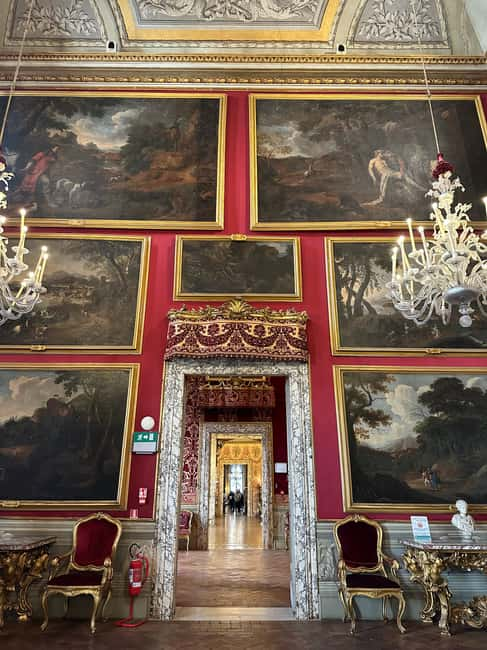
The collection reaches beyond its two headline names. Your guide also discusses works connected with Raphael, Titian, Bernini, and Flemish painters.
That wider range matters. It places Caravaggio and Velázquez within a larger story of Renaissance and Baroque art rather than making the tour a greatest-hits stop. You get a sense of changing taste, different national traditions, and the way a noble family built a collection across generations.
Raphael gives you a link to the polished ideal of the Renaissance. Titian brings the power of Venetian color and portraiture into the conversation. Bernini connects painting with the Roman tradition of sculpture and dramatic movement. Flemish masters add another visual language, often with close attention to surface, detail, and domestic or religious subjects.
The exact works shown can depend on the gallery’s display, so I would avoid arriving with a rigid list of must-see pieces beyond the named highlights. The value comes from the guide’s ability to explain relationships among the works and point out details in rooms where your eyes may be pulled in several directions.
This is where the guide quality becomes central. Martina is specifically praised for bringing sculpture and paintings into Rome’s broader story and for making the two hours pass quickly. Silvia is described as precise, friendly, and well prepared. Zenda is also singled out as an excellent guide. If your booking allows a guide choice, those names are worth noting.
A two-hour pace that suits most Rome itineraries
Two hours is a useful length for this experience. It gives you enough time to understand the palace and see the major works without taking over your entire day.
I like this timing for a first Rome visit. You can pair the gallery with other central sights without committing to a half-day museum block. It also works well after a morning of outdoor sightseeing, when a quiet series of palace rooms offers a change of pace.
The small-group approach should make it easier to hear the guide and ask questions. The experience is described as intimate, though the exact group size is not provided. A private group option is available if you want a more personal visit.
Do not expect the freedom of an unguided ticket. A guided tour gives you structure, but you may have less time to linger wherever you choose. If you already know the gallery well and want to study one painting for a long period, an entry ticket with an audio guide may suit you better. If you want context and a clear route, the live tour is the stronger choice.
Value compared with visiting on your own
The price is not included in the information provided, so I cannot judge it against a specific euro amount. I can still explain where the value lies.
You are paying for more than entry to a private collection. The package includes a two-hour live guide, skip-the-line access, and a route through rooms where the building itself needs explanation. That can be worthwhile if you are new to Renaissance and Baroque art or if you want the family and papal context.
An unguided ticket may offer more freedom and could suit repeat visitors. An audio guide may also work if you prefer to set your own pace. The guided visit earns its extra value when you want help comparing artists, understanding the palace, and seeing why particular works matter.
I would choose the guided tour for a first visit, especially if you are traveling with someone who might otherwise feel lost in a private collection. I would choose a basic ticket if I had already taken a guided visit and wanted a slower second look.
The free cancellation policy allows cancellation up to 24 hours before the start for a full refund. Reserve-now, pay-later booking is also offered, which helps if your Rome schedule is still shifting.
Practical tips for a better visit
Arrive at the Fontana del Facchino with time to spare. The blue Doooing Experience flag is the key marker, and the meeting point is not described as the gallery entrance.
Wear comfortable shoes, since the tour involves moving through palace rooms and is not designed for visitors with mobility impairments. Leave your backpack behind, and do not bring food or drinks into the gallery.
Keep your camera flash off. The restrictions are simple, but knowing them in advance lets you focus on the art instead of sorting out rules at the door.
If art is your main reason for visiting Rome, note the names Martina, Silvia, and Zenda. Martina may be especially appealing if you like connections between painting, sculpture, and Roman history. Silvia suits you if you prefer clear, careful explanations delivered in a friendly way.
The courtyard is a pleasant place to finish. A café and bookshop offer a chance to sit, reflect on the visit, and browse further material. It gives the tour a calmer ending than simply being pushed back onto a busy street.
Who should book the Doria Pamphilj tour?
I recommend this experience if you want famous paintings in a setting that still feels connected to aristocratic life. It is a strong match for first-time visitors to Rome, art lovers who enjoy Renaissance and Baroque work, and anyone who prefers a guide to a museum app.
It is also a good choice if you have already visited the Vatican Museums and want a smaller, more intimate art stop. The focus is different, and the palace atmosphere gives the visit its own identity.
I would think twice if you need step-free access, use a wheelchair, or dislike fixed group routes. I would also choose another option if you want to spend most of your time with one painting or wander entirely alone.
For most visitors who can manage the physical access requirements, the two-hour guided format offers a useful mix of major masterpieces, family history, and grand interiors. Book it for the setting as much as for Caravaggio and Velázquez. The paintings are the headline, but the palace is what makes the visit memorable.
FAQ
How long does the Doria Pamphilj Gallery guided tour last?
The guided tour lasts two hours.
Where is the meeting point?
Meet the staff in front of the Fontana del Facchino on Via Lata, 00186 Rome. Staff will hold a blue flag with the Doooing Experience logo.
What languages are available?
The tour is offered in English, Italian, and Spanish.
Is skip-the-line access included?
Yes. The activity includes skip-the-ticket-line access.
Which artists can I see?
The tour highlights Caravaggio, Velázquez, Raphael, Titian, Bernini, and Flemish masters.
Which Caravaggio paintings are named?
The named works are Rest on the Flight into Egypt and Penitent Magdalen.
Can I see Velázquez’s portrait of Pope Innocent X?
Yes. Velázquez’s portrait of Pope Innocent X is one of the central works highlighted on the tour.
Are private groups available?
Yes. A private group option is available.
What should I bring?
Bring comfortable shoes. Backpacks, food, and drinks are not allowed, and flash photography is prohibited.
Is the tour suitable for wheelchair users?
No. The experience is not suitable for wheelchair users or people with mobility impairments.
Just added around Rome
- Colosseum,Vatican Museum & Sistine Chapel in One Day Guided Tour★ 3.5 · 9 reviews
- Vatican Museums and Sistine Chapel last entry Guided Tour★ 5.0 · 3 reviews
- Private Tour Of Rome Highlights And Vatican Museums Skip-The-Line all included★ 5.0 · 4 reviews
- Borghese Gallery Admission Ticket with Audioguide★ 4.0 · 64 reviews
- Caravaggio Art Walking Tour of Rome with Pantheon Visit★ 4.5 · 35 reviews
- Borghese Gallery Skip the Line Guided Tour★ 4.5 · 23 reviews
- Borghese Gallery Ticket with Audioguide★ 3.5 · 51 reviews
- Borghese Gallery VIP Tour – Skip the Line Tickets★ 5.0 · 2 reviews
Art Museum Tours in Rome, compared.
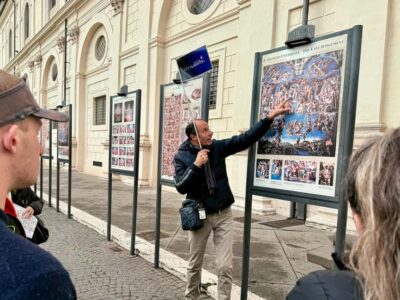
Vatican Museums, Sistine Chapel & St. Peter’s Basilica Tour
Read our review →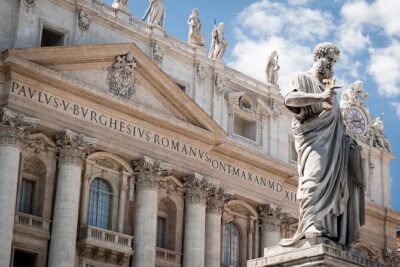
Vatican Museums, Sistine Chapel & St Peter’s Basilica Guided Tour
Read our review →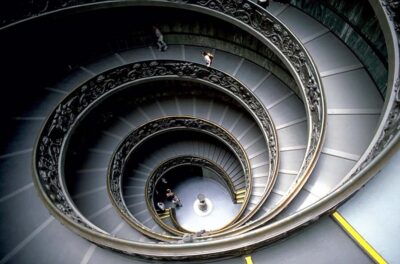
Vatican Museums, Sistine Chapel and Basilica Tour
Read our review →
Vatican Museums & Sistine Chapel Skip-the-Line Entry Ticket
Read our review →
Vatican Museums, Sistine Chapel & Basilica Tour
Read our review →
Vatican Museums & Sistine Chapel Guided Tour
Read our review →
Vatican Museums & Sistine Chapel Skip-the-Ticket-Line Tour
Read our review →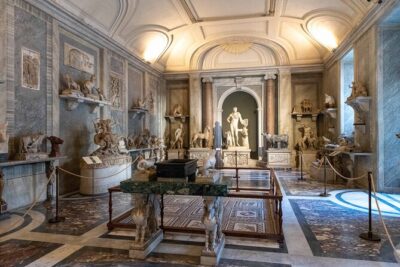
Vatican Museums, Sistine Chapel and St. Peter’s Basilica Tour
Read our review →Browse the lists this tour appears in