
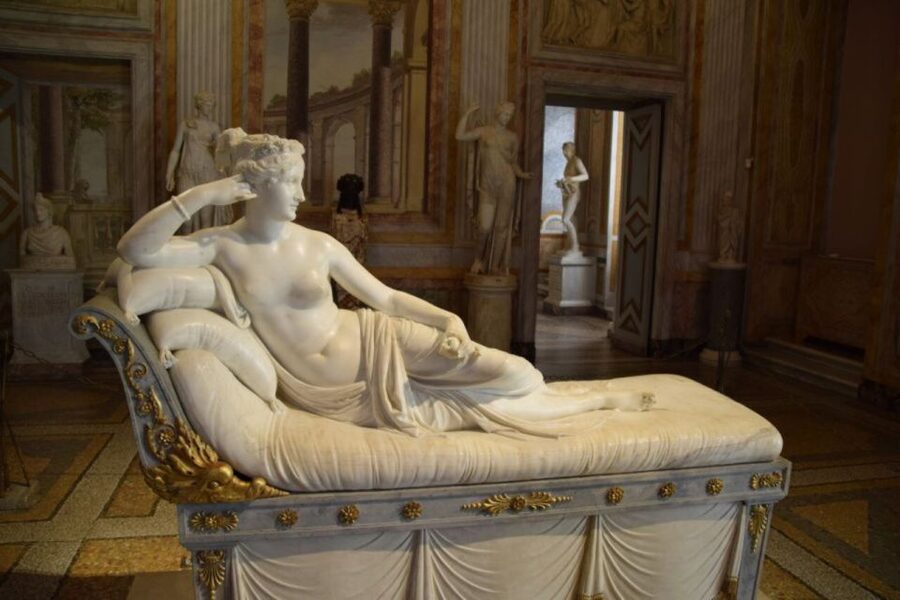
REVIEW · ROME
Rome: Borghese Gallery Guided Tour with Tickets
The Borghese Gallery puts some of Rome’s greatest art in a surprisingly intimate setting. Bernini’s Apollo and Daphne is the star for many people, but Caravaggio’s hard-edged light, Raphael’s calm grace, Roman mosaics, and painted ceilings keep the visit moving from one visual surprise to the next.
I like the reserved entry because it removes much of the ticket-day uncertainty, and I like having an art historian explain what you are seeing rather than wandering past famous names without context. Guides including Henry, Victoria, Federica, and Irene have been praised for making the works feel human and easy to follow.
The main consideration is time. Two hours is enough for a strong first visit, but not enough to study everything in the villa. One recent comment also noted that explanations can feel rushed, and a larger bag, stroller, or wheelchair creates practical problems.
Key points to know before booking
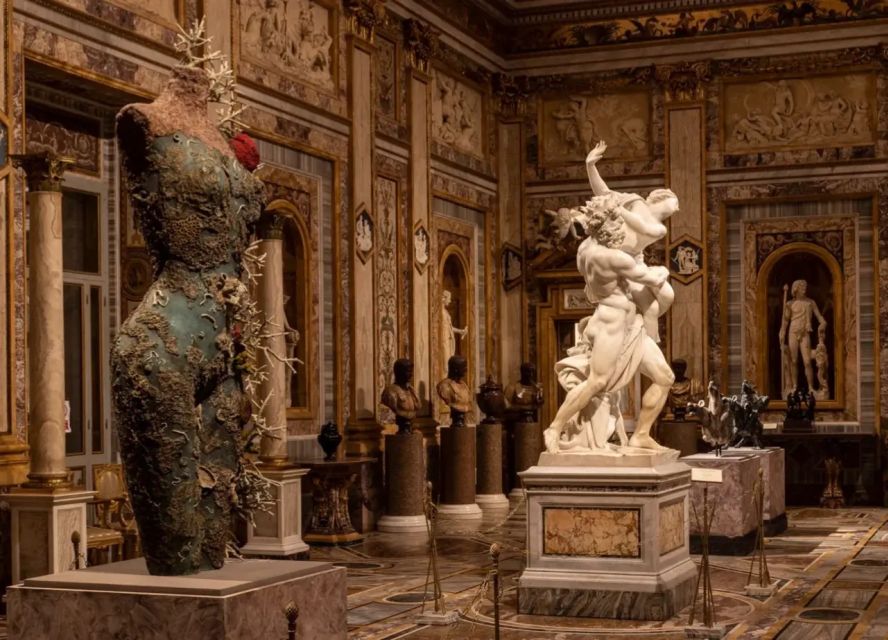
- Bernini gets the spotlight: Expect Apollo and Daphne and other expressive sculptures where marble seems to twist, breathe, and move.
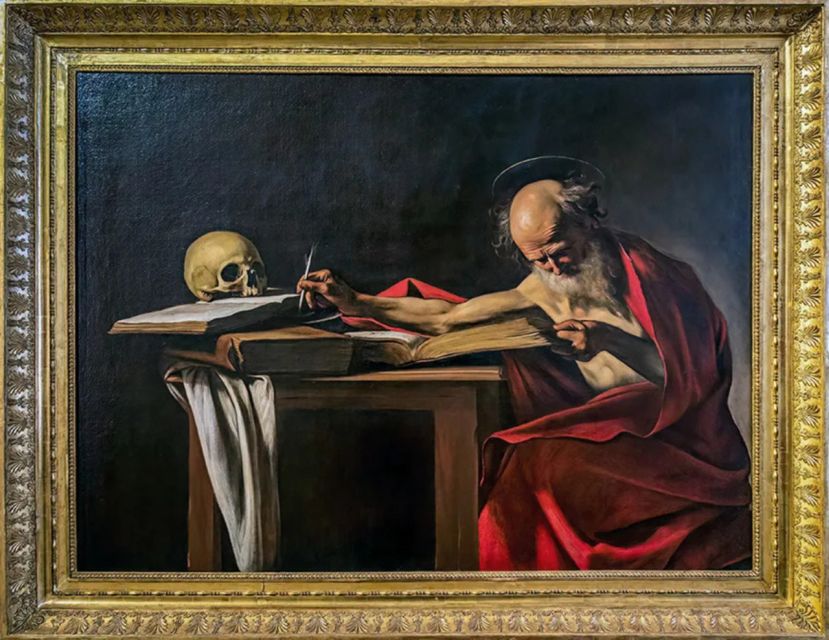
- Caravaggio has a major presence: The collection includes David with the Head of Goliath and Boy with a Basket of Fruit, among other important paintings.
- The guide shapes the experience: Art historians such as Henry, Victoria, Federica, Irene, and Ursus have been singled out for strong storytelling and clear explanations.
- The visit lasts two hours: The route includes the ground-floor sculpture rooms and additional gallery rooms, with a focus on major works.
- Small bags only: Large bags and luggage are not allowed inside, although a free cloakroom is available at the entrance.
- The $57 price pays for access and interpretation: The value is strongest if you want help understanding Baroque art rather than simply seeing the collection on your own.
Why the Borghese Gallery deserves two hours
Rome has museums where you walk for miles before reaching the famous pieces. The Borghese Gallery is different. Its collection is concentrated inside a former villa, so you encounter major works at close range and in rooms designed to show them off.
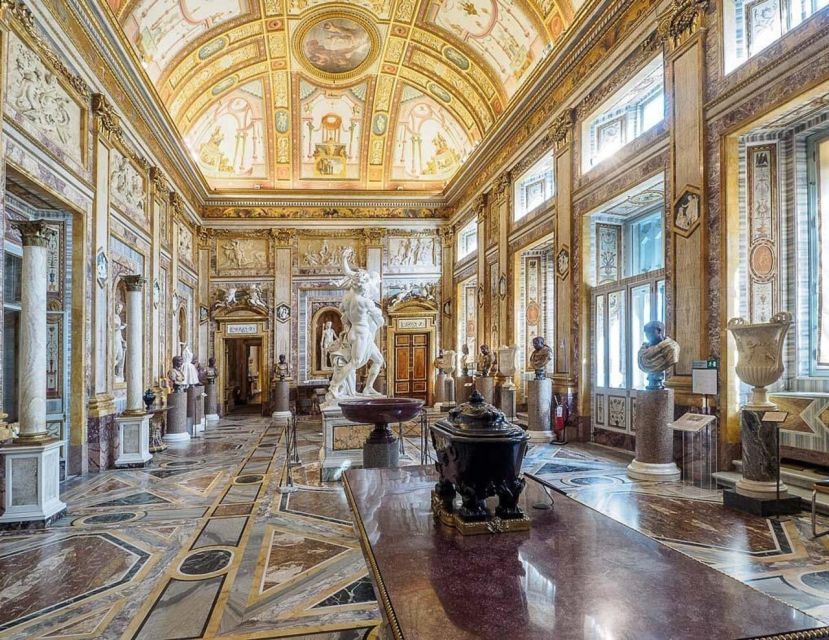
That setting matters. The sculptures are not isolated in a bare white box. They share space with decorated walls, Roman floor mosaics, painted ceilings, and detailed frescoes. You are looking at art inside a building that is part of the experience.
The collection grew from Cardinal Scipione Borghese, a powerful 17th-century patron with a sharp eye for artists and an appetite for collecting. Your guide begins outside the villa with this background, which helps explain why such a remarkable mix of sculpture and painting came together under one roof.
I find the gallery especially rewarding if you are curious about how artists create drama. Bernini uses the human body, twisting movement, and finely carved marble. Caravaggio uses light, shadow, and direct expression. Raphael offers a quieter kind of beauty. Seeing these approaches close together gives you a useful frame for understanding Italian art from the Renaissance through the Baroque period.
More Art Museum Tours in Rome
- Vatican Museums, Sistine Chapel & St. Peter’s Basilica Tour
★ 4.3 · 73,970 reviews - Vatican Museums, Sistine Chapel & St Peter’s Basilica Guided Tour
★ 4.5 · 39,149 reviews - Rome: Vatican Museums, Sistine Chapel and Basilica Tour
★ 4.3 · 16,039 reviews
Meeting at the villa and getting inside
The meeting point depends on the option you book. The listed choices include the Fontana dei Mascheroni and Piazzale del Museo Borghese, both connected with the gallery area.
Check your booking details carefully before setting out. The villa sits in the Borghese Gardens, and arriving at the wrong side of the park could add unnecessary walking. Bring your passport or identity card, since identification is required.
Your reserved ticket gives you priority access through the express security check. This does not mean you skip every procedure. You still pass through security, and the gallery limits what you can bring inside.
Only small bags and purses are allowed in the exhibition rooms. Large bags and luggage must be left at the free cloakroom. Baby strollers are not allowed, and pets, weapons, sharp objects, alcohol, and drugs are prohibited.
The tour supplies headsets and radios, a useful detail in rooms where people gather around the same sculpture. You can hear the guide without needing to stand directly beside them. This is especially helpful if the group is spread out or if you want to step back for a better view.
Ground-floor sculptures: Bernini in close quarters
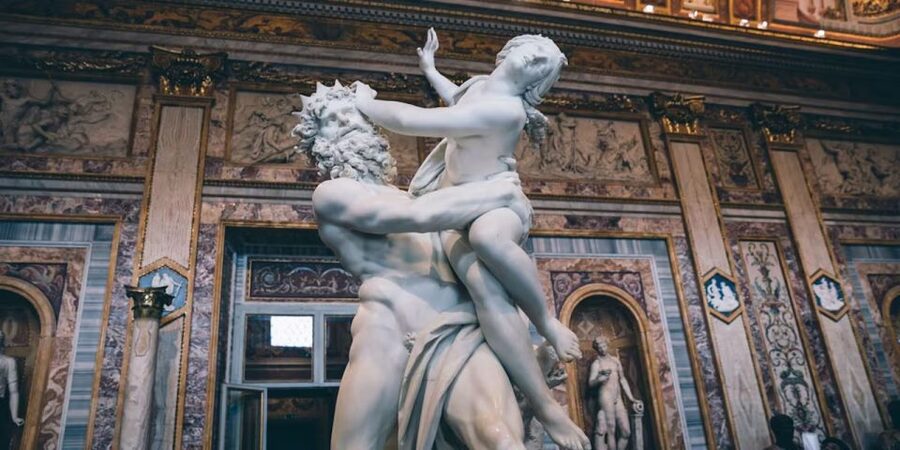
The first major portion of the visit focuses on the ground-floor sculpture rooms and lasts about 50 minutes. This is where the tour makes its strongest visual impression.
Bernini’s Apollo and Daphne is the work most likely to stay with you. The sculpture shows the moment Daphne changes into a laurel tree while Apollo reaches for her. Look closely at the transformation: fingers become leaves, hair turns into branches, and the surface of the marble shifts from skin to bark.
A guide can point out details you might miss alone, including the sense of movement in the bodies and the contrast between Apollo’s pursuit and Daphne’s escape. The subject comes from classical mythology, but Bernini gives it emotional force that feels immediate.
The sculpture also shows why the gallery works so well as a place for guided viewing. From one angle, you see the chase. From another, you notice the change taking place across Daphne’s body. A good explanation helps you know where to look and when to move around the work.
Other sculptures by Bernini and works by Antonio Canova give you a broader view of changing styles. The exact route can vary if restoration work or a temporary exhibition changes access, so do not expect every visit to follow the same order.
The drawback is that these rooms can become crowded around the best-known pieces. The headset helps, but you may still need patience while other people take photographs or move into position.
Caravaggio’s room and the drama of light
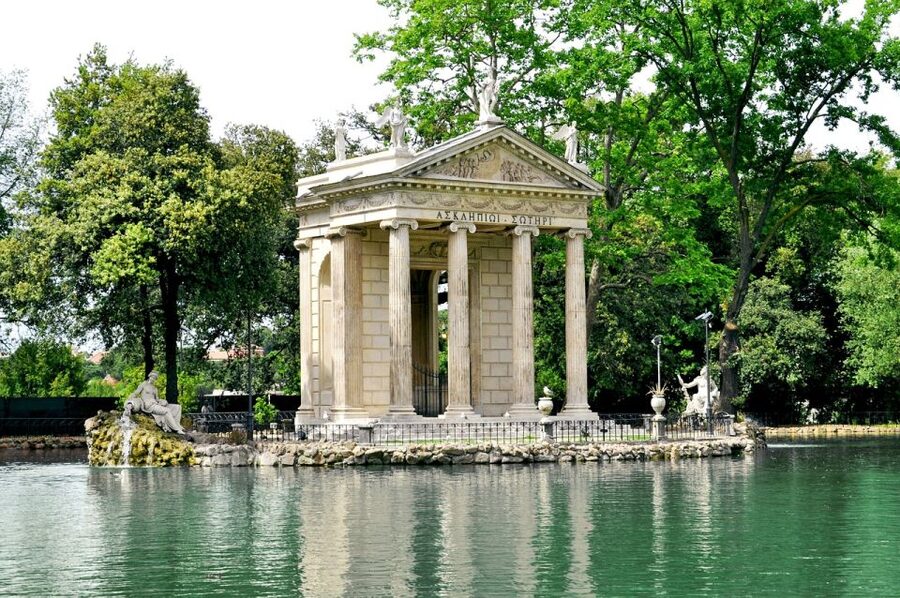
The tour then reaches the painting rooms, including an important group of Caravaggio works. The collection is noted for having the largest gathering of his paintings in one place, making this a major reason to choose the Borghese Gallery.
David with the Head of Goliath is one of the key works to look for. Caravaggio does not treat the story as a distant heroic scene. The dark background and concentrated light force your attention onto the faces, the sword, and the severed head.
Boy with a Basket of Fruit offers a different mood. The subject appears simple, but the fruit, skin, leaves, and fabric are painted with close attention. Caravaggio turns an ordinary figure into a study of youth, beauty, and the passage of time.
This is where your guide’s explanation can make a real difference. The paintings reward close looking, but their religious, social, and personal meanings may not be obvious at first glance. Guides praised for their work here include Irene, Federica, Henry, and Victoria, though the guide assigned to your tour will depend on the date and group.
You will hear how light creates focus, how shadow adds tension, and how realistic faces changed the mood of painting. The strongest guides do not simply list dates and titles. They give you a reason to look again.
More Borghese Gallery slots:
- Rome: Borghese Gallery Skip-the-Line Ticket & Audioguide
★ 4.3 · 4,318 reviews - Rome: Borghese Gallery Ticket + Audioguide or Guided Tour
★ 4.6 · 3,219 reviews - Rome: Borghese Gallery Guided Tour with Skip-the-Line Entry
★ 4.8 · 2,649 reviews - Rome: Borghese Gallery Skip-the-Line Tickets with Audioguide
★ 4.6 · 2,562 reviews
Raphael, Titian, Canova, and the villa’s decoration
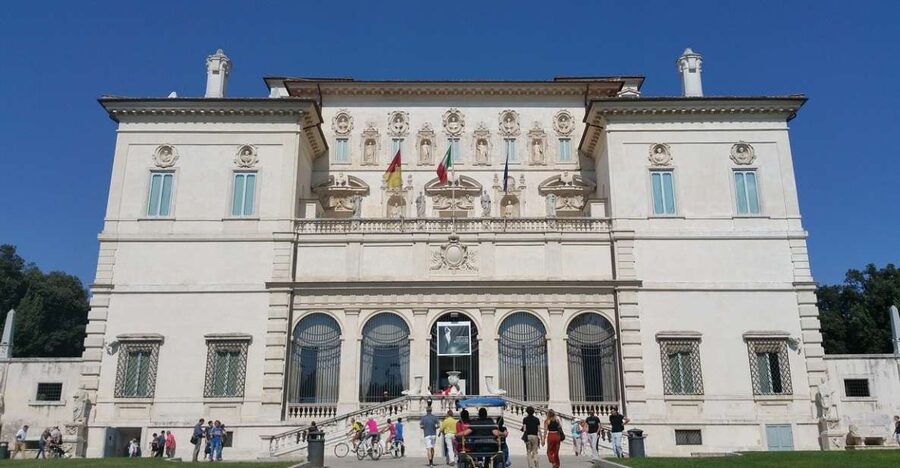
The gallery is not only a Bernini and Caravaggio stop. Raphael brings a calmer presence, with works known for balance, clear forms, and graceful figures. After Caravaggio’s dark intensity, Raphael can feel almost like a change in breathing.
Titian adds another important Renaissance voice, while Canova represents a later approach to sculpture. The point is not to race through a list of famous artists. It is to see how styles change across centuries and how the Borghese family placed different kinds of art within the same collection.
The rooms themselves deserve attention. Roman mosaics appear underfoot, while frescoes and painted decoration cover the walls and ceilings. These details can be easy to ignore when a famous sculpture is in front of you, but they help you understand the villa as a designed home for art, not just a storage building.
Several people who had studied art before found that the guide added new details about technique, restoration, and the period when each work was made. That is useful if you already know the headline facts. You may find the visit adds layers rather than repeating the same basic museum script.
The final sculpture section and the value of a guide
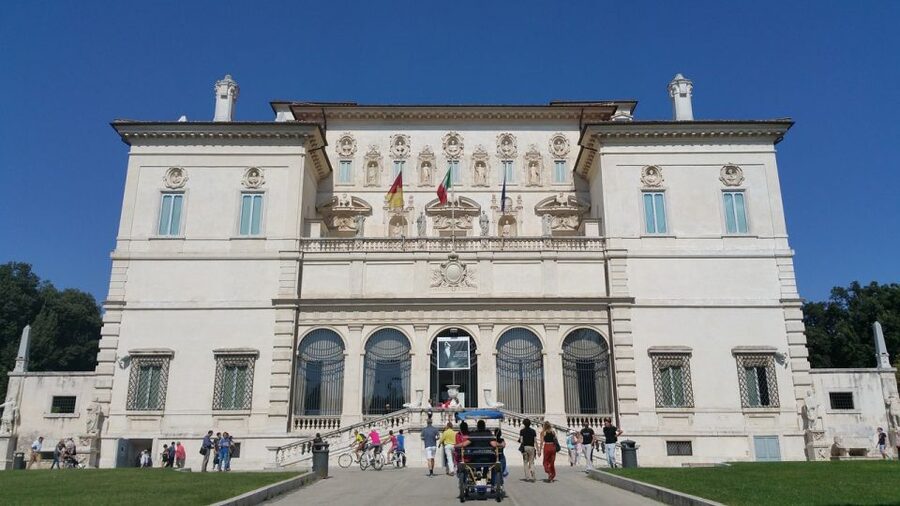
The itinerary returns to the ground-floor sculpture collection for about 30 minutes, with another guided segment inside the gallery. Treat this as a chance to connect the works rather than as a separate museum visit.
By this point, you have seen different ways artists create emotion. Bernini uses movement and theatrical action. Canova offers polished, idealized bodies. Roman works connect the collection to ancient models that Renaissance and Baroque artists studied.
The guide can also tie the collection back to Cardinal Scipione Borghese and the way works were acquired. That background gives the gallery a human story. These objects did not simply arrive by accident. They reflect power, taste, ambition, and the choices of a collector determined to assemble an important group of works.
The final section may feel quick if you want to examine every room. One person who had visited the gallery before found the guided route much more rewarding because the guide showed exactly where to focus. Another felt there was so much to see that a return visit would be worthwhile.
That is a fair description of the gallery. The tour gives you a well-chosen path, but it cannot replace several hours of independent looking. If you want to linger, ask your guide what you should revisit after the formal tour, if gallery rules and opening hours allow.
How the guides affect the experience
The guide is the biggest variable in a museum tour, and the feedback here is unusually consistent about the value of strong presentation. Henry has been praised for making a very small group feel personal and for connecting Bernini and Caravaggio to living historical stories.
Victoria has been noted for answering questions and placing paintings and sculptures in their proper time period. Federica has received praise for her enthusiasm and command of the collection. Irene has been especially appreciated for her passion for Baroque art.
Other guide names appearing in the experience include Gaga, Frederico, Francesco, Ursus, Natalia, Matteo, and Alesia. You cannot request a particular guide based on the information provided, but these names give you a sense of the range of art historians working on the tour.
The group may be private or small, depending on the option you select. A smaller group makes it easier to hear, ask questions, and stay close to the guide. It also helps in narrow rooms, where a large cluster can block the view.
There is one practical weakness to keep in mind. A comment about microphone placement noted that the guide was sometimes difficult to hear. The supplied headset should help, but tell the guide promptly if the sound is unclear. You are paying for interpretation, so you should be able to hear it.
Is $57 a fair price?
At $57 per person, this is not the cheapest way to enter a museum. The value depends on what you want from the visit.
If you already know the Borghese Gallery well, prefer to read labels, and want to set your own pace, a guided tour may feel restrictive. The two-hour format moves you through the collection with purpose, but it does not give you unlimited time at every work.
For a first visit, I think the price is easier to justify. You receive the reserved gallery entry, an art historian guide, and headsets. You also avoid spending valuable Rome time trying to understand the collection room by room.
The price is particularly sensible if art is not your main interest. One person began without strong expectations and found that clear, down-to-earth explanations made the gallery memorable. That is exactly where a guide earns the fee: not by pointing out famous names, but by showing you why the works matter.
A small-group or private option should offer a more personal experience, but the exact group size and price can vary by booking choice. Read that option carefully before paying.
Who should book this Borghese Gallery tour?
I would choose this tour if you want a clear introduction to Bernini, Caravaggio, Raphael, and the history of the villa. It also suits anyone who prefers stories and visual explanations to reading labels on their own.
It is a good match for:
- First-time visitors to the Borghese Gallery
- People with a strong interest in sculpture
- Visitors who want help comparing Renaissance and Baroque art
- Families with older children who can manage a two-hour museum visit
- Anyone with limited time in Rome
- Returning visitors who want a more informed look at familiar rooms
I would be cautious if you use a wheelchair, since the experience is not suitable for wheelchair users. I would also avoid bringing large luggage or a stroller, even though larger bags can be placed in the free cloakroom.
Book an earlier time slot if you want more time to continue looking after the guided portion. The gallery contains more works than any two-hour route can cover, and the morning or earlier option may leave you with more flexibility for the rest of your day.
Should you book it?
Book this tour if you want the Borghese Gallery to make sense, not just look beautiful. The reserved entry saves time, the headset helps you follow the commentary, and the guide gives structure to a collection that can otherwise feel like a parade of famous names.
The strongest reason to go is the combination of Bernini’s sculpture and Caravaggio’s painting in a compact villa. Add Raphael, Titian, Canova, mosaics, and painted rooms, and you have one of Rome’s most rewarding art stops.
Skip it only if you strongly prefer complete independence or need a slower, longer visit. For most first-time visitors, $57 is a reasonable price for two focused hours with an art historian, especially when your Rome schedule is tight.
FAQ
How long does the Borghese Gallery tour last?
The tour lasts two hours.
What is included in the ticket?
The experience includes an art historian guide, a skip-the-line entry ticket through the express security check, and headsets with radios so you can hear the guide.
Which artists will I see?
The tour features works by Bernini, Caravaggio, Raphael, Titian, Canova, and other artists. You will also see Roman mosaics, sculptures, and hand-painted frescoes.
Is Apollo and Daphne included?
The tour highlights Bernini’s Apollo and Daphne among the major sculptures in the gallery.
Does the tour include Caravaggio paintings?
Yes. The route includes Caravaggio works such as David with the Head of Goliath and Boy with a Basket of Fruit.
What languages are available?
Live guides are available in English, Japanese, French, German, Portuguese, and Russian.
Can I bring a large bag?
No. Only small bags and purses are allowed inside. Larger bags can be stored in the free cloakroom at the entrance.
Can I bring a baby stroller?
No. Baby strollers are not allowed inside the gallery.
Is the tour suitable for wheelchair users?
No. The experience is not suitable for wheelchair users.
Can the route change?
Yes. Some areas may be closed for restoration, and the route can change because of current exhibitions.
Just added around Rome
- Colosseum,Vatican Museum & Sistine Chapel in One Day Guided Tour★ 3.5 · 9 reviews
- Vatican Museums and Sistine Chapel last entry Guided Tour★ 5.0 · 3 reviews
- Private Tour Of Rome Highlights And Vatican Museums Skip-The-Line all included★ 5.0 · 4 reviews
- Caravaggio Art Walking Tour of Rome with Pantheon Visit★ 4.5 · 35 reviews
- Borghese Gallery Admission Ticket with Audioguide★ 4.0 · 64 reviews
- Borghese Gallery Skip the Line Guided Tour★ 4.5 · 23 reviews
- Borghese Gallery Ticket with Audioguide★ 3.5 · 51 reviews
- Borghese Gallery VIP Tour – Skip the Line Tickets★ 5.0 · 2 reviews
Art Museum Tours in Rome, compared.
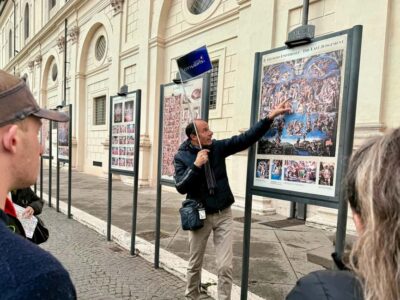
Vatican Museums, Sistine Chapel & St. Peter’s Basilica Tour
Read our review →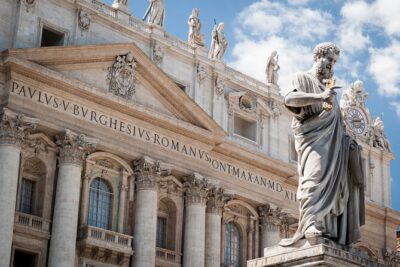
Vatican Museums, Sistine Chapel & St Peter’s Basilica Guided Tour
Read our review →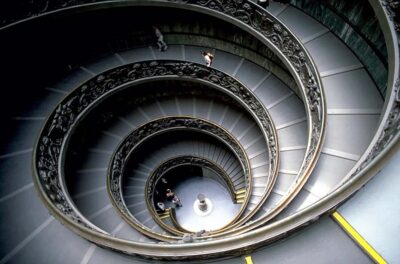
Vatican Museums, Sistine Chapel and Basilica Tour
Read our review →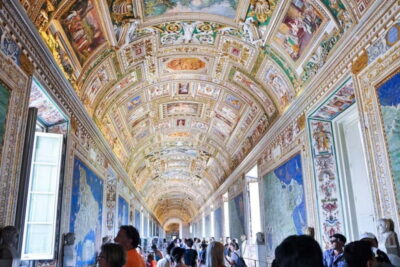
Vatican Museums & Sistine Chapel Skip-the-Line Entry Ticket
Read our review →
Vatican Museums, Sistine Chapel & Basilica Tour
Read our review →
Vatican Museums & Sistine Chapel Guided Tour
Read our review →
Vatican Museums & Sistine Chapel Skip-the-Ticket-Line Tour
Read our review →
Vatican Museums, Sistine Chapel and St. Peter’s Basilica Tour
Read our review →Browse the lists this tour appears in