
REVIEW · PARIS
Paris: Musée d’Orsay Masterpieces Guided Tour
The Musée d’Orsay is one of Paris’s most rewarding museums, and this tour gives you a clear route through its best-known works. You enter the grand former railway station, then follow an English-speaking art historian to paintings by Monet, Renoir, Manet, Degas, Cézanne, and Van Gogh. The tour also covers the artists’ lives, the politics of their time, and the artistic rules they challenged.
I like two things right away: reserved entry saves precious Paris time, and the guide helps you see more than famous names on a wall. Guides such as Anais, Hamish, Florence, and Abed have been praised for making the art easy to follow without talking down to beginners. The main drawback is pace. Two hours goes quickly in a large museum, and busy galleries can make it hard to linger.
Key points at a glance
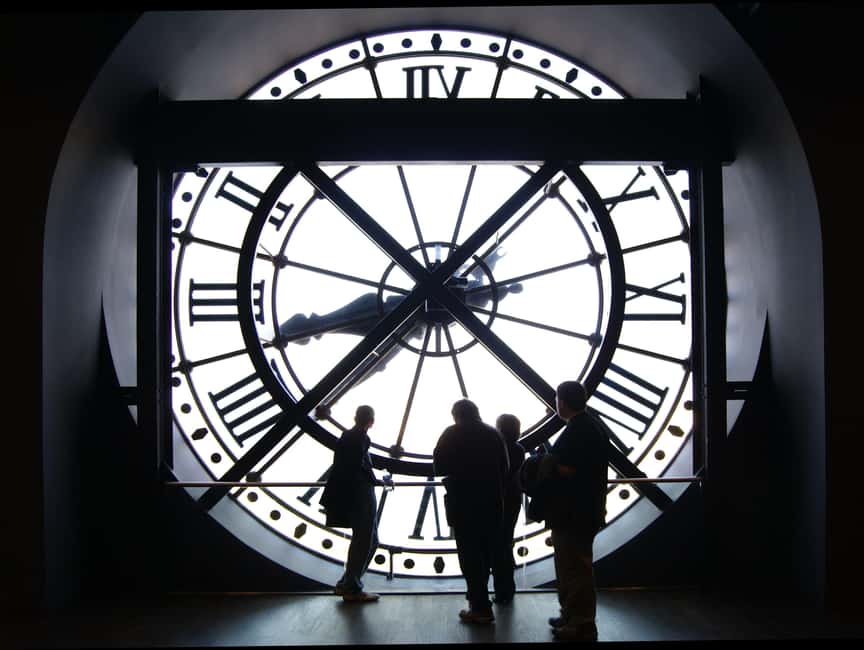
- Former railway station setting: The museum’s Beaux Arts structure, giant clocks, and high central hall are part of the experience.
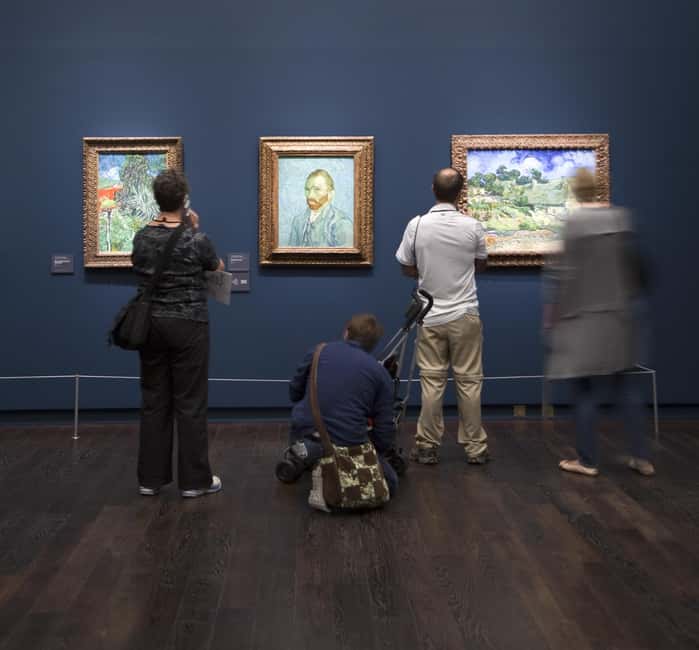
- Strong Impressionist focus: See Renoir’s Dance at Le Moulin de la Galette and Van Gogh’s Starry Night over the Rhône, along with major works by Monet, Manet, Degas, and Cézanne.
- Two group sizes: Pick a semi-private tour for up to six people or a larger group capped at 25.
- History behind the brushstrokes: Guides explain how art changed from pre-Impressionism through Post-Impressionism.
- Good use of two hours: The route concentrates on major works, useful if you have limited time or feel unsure where to begin.
- Practical limits: Expect plenty of walking, no transportation, and no wheelchair, stroller, backpack, or large-bag access.
Why the Musée d’Orsay works so well with a guide
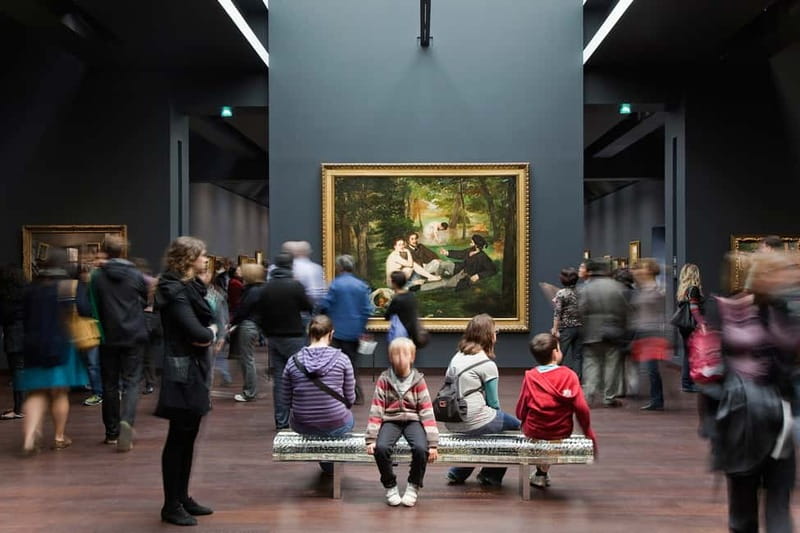
The Musée d’Orsay is not simply a room full of pretty paintings. It tells the story of a major change in European art. Artists began to question official taste, academic rules, and the polished scenes favored by institutions. They looked at modern Paris, ordinary leisure, changing light, city life, and personal feeling in new ways.
That story can be difficult to follow on your own. The museum holds paintings from several movements and decades, and the labels cannot always explain how one artist influenced another. A good guide gives you a thread to follow. You begin with the artistic world before Impressionism, then see how artists changed their subjects, brushwork, color, and sense of composition.
The strongest part of this tour is its attention to context. Your guide may explain the personalities behind the paintings, the public reaction to new styles, and the social world shown in the scenes. That makes Renoir’s Parisian Sunday feel like more than a pleasant crowd scene. It becomes a picture of modern leisure and changing city life.
You also get practical help looking at a painting. Guides have pointed out ways to identify figures from classical mythology, clues to personal relationships in Van Gogh’s work, and political scandals reflected in art. These details give your eyes something to do. Instead of asking only if you like a painting, you begin asking how it was made and what it was saying.
More Art Museum Tours in Paris
- Paris: Louvre Museum Timed-Entrance Ticket
★ 4.6 · 71,977 reviews - Paris: Orsay Museum Entry Ticket
★ 4.7 · 25,647 reviews - Paris: Louvre Guided Tour with Reserved Access & Boat Cruise
★ 4.3 · 16,353 reviews
Meeting at 5 Rue de la Légion d’Honneur
The meeting point is outside the Musée de la Légion d’Honneur, at 5 Rue de la Légion d’Honneur. It sits next to the stairs leading toward the Musée d’Orsay. Look for the guide holding a City Wonders sign.
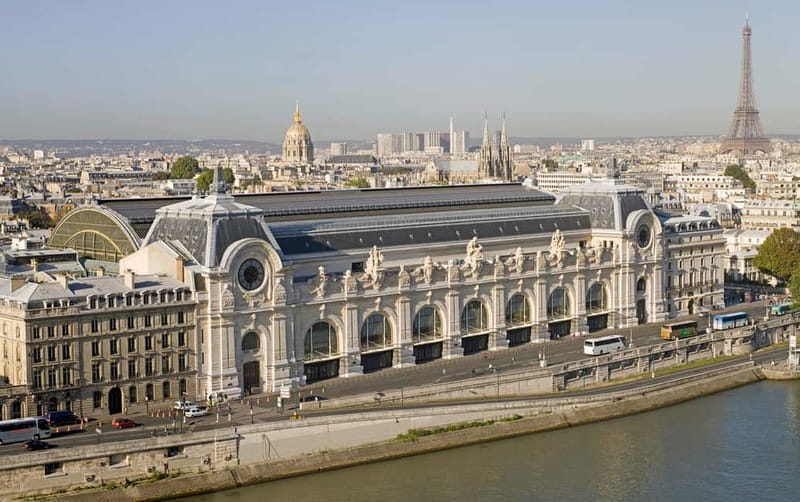
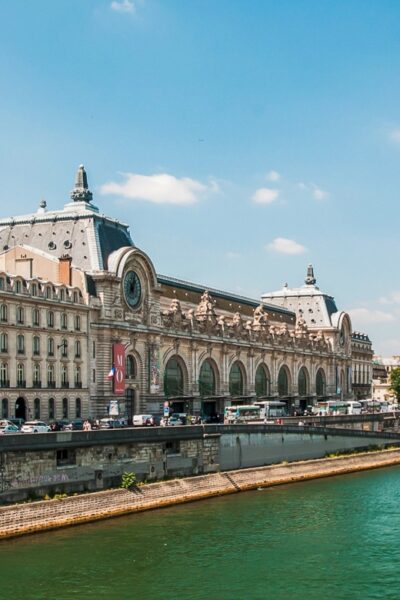
Give yourself a little extra time to find the correct spot. The museum occupies a large former railway station, and the area has several entrances and grand façades. The river-facing side has two large clocks, which makes it easier to recognize once you reach the Seine.
The simplest public transport option is the RER C to Musée d’Orsay. You can also use Metro Line 12 to Solférino. From Solférino, leave through exit 2, marked Musée d’Orsay, turn left, and walk up Rue de Bellechasse.
Transportation is not included, so you make your own way to the meeting point. That is normal for a museum tour in central Paris, but it matters when planning a tight morning or afternoon. Allow time for your walk, station navigation, and the possibility of a crowded entrance area.
Entering a former railway station
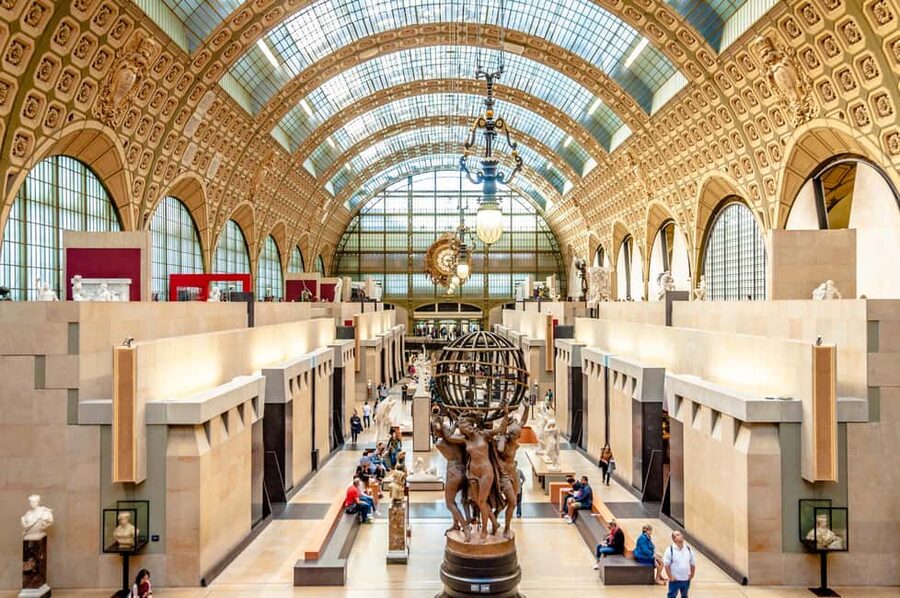
The building is one of the museum’s first great works. The Musée d’Orsay occupies a former railway station, and its Beaux Arts design gives the collection a setting unlike the Louvre or a small gallery.
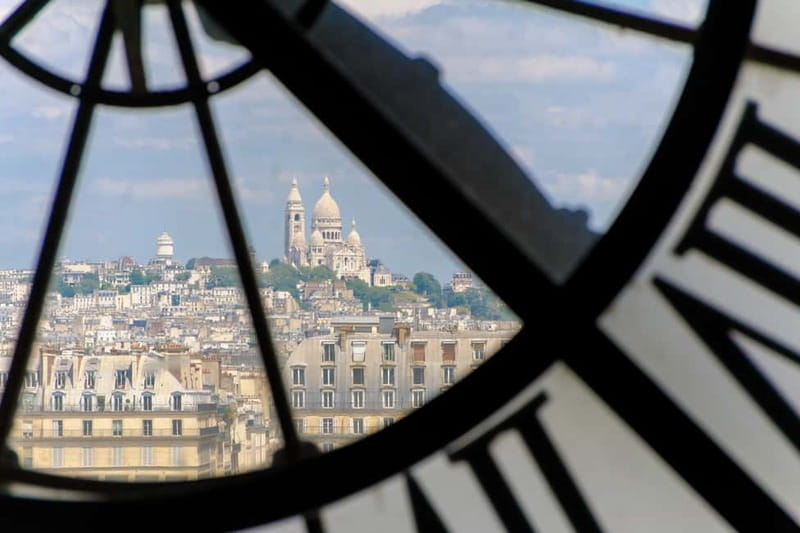
The central hall is broad and bright, with a long axis that helps you understand the museum’s layout. Large clocks on the river side add a memorable Paris touch. The architecture also explains why the visit involves so much walking. You are moving through a grand public building, not a compact set of quiet rooms.
Your guide may begin with the building itself, especially if there is a delay before entry. One guide used that time to explain the station’s dates and design before the museum opened. That is a useful way to start because it places the art inside Paris’s changing urban world.
The setting can also be a drawback. Many parts of the museum are not air-conditioned, and warm days may feel uncomfortable. Wear comfortable shoes and dress with the walking and indoor temperature in mind.
Following the two-hour route
The tour lasts two hours and returns to the same area at 5 Rue de la Légion d’Honneur. In practice, you should think of it as a highlights route, not a complete visit to every room.
The guide leads you to important paintings and explains how they connect. You will likely spend time with the major Impressionists and Post-Impressionists named for the tour, including Monet, Renoir, Manet, Degas, Cézanne, and Van Gogh. The exact order and selection can change with gallery conditions, crowd levels, or the guide’s approach.
That flexibility can help. One guide may spend more time on technique, while another may focus on politics or the artists’ personal stories. Anais has been praised for explaining the movement’s changing characteristics while moving through crowded spaces. Florence has been praised for linking artists, history, and their relationships. Abed has been singled out for combining passion with historical context.
The tradeoff is that you cannot stop at every painting. If one work catches your eye, you may have only a short time before the group moves on. I suggest treating the tour as an introduction and orientation. Afterward, stay longer if your ticket arrangements and schedule allow, returning to the rooms or artists that interested you most.
More masterpiece highlights tours in Paris:
- Louvre Museum Masterpieces Guided Tour with Access
★ 4.5 · 12,023 reviews - Mona Lisa & Louvre Masterpieces Tour with Reserved Access
★ 4.6 · 6,812 reviews - Paris: Louvre Museum Tour Mona Lisa & Iconic Masterpieces
★ 4.7 · 4,536 reviews - Paris: Louvre Masterpieces Tour with Pre-Reserved Tickets
★ 4.8 · 1,445 reviews
The paintings that give the tour its focus
Renoir’s Dance at Le Moulin de la Galette is a natural highlight. The scene shows a typical Parisian Sunday, with people enjoying music, conversation, and time outdoors. Your guide can help you see how Renoir handles movement, light, faces, and the feeling of a social crowd.
Monet offers another key point of comparison. His work helps explain the Impressionist interest in changing light and immediate visual effect. Rather than presenting a scene as a fixed, carefully polished image, Impressionist painters often tried to capture how a moment appeared to the eye.
Van Gogh’s Starry Night over the Rhône brings a different energy. It is useful for seeing how Post-Impressionism moved beyond the Impressionist approach. The colors, brushwork, and emotional force point toward a more personal kind of expression.
You also encounter Manet, Degas, and Cézanne. They do not all paint in the same way, and that is part of the value of seeing them together. The museum lets you compare the artists directly, while the guide explains the shifts in taste and technique.
The tour is especially useful if you do not have a background in art. You do not need to know the difference between Impressionism and Post-Impressionism before arriving. The explanations build from basic questions: What are you looking at? How was it painted? What changed from one generation to the next? Why did the work cause trouble or attract attention?
What the guide adds to the museum visit
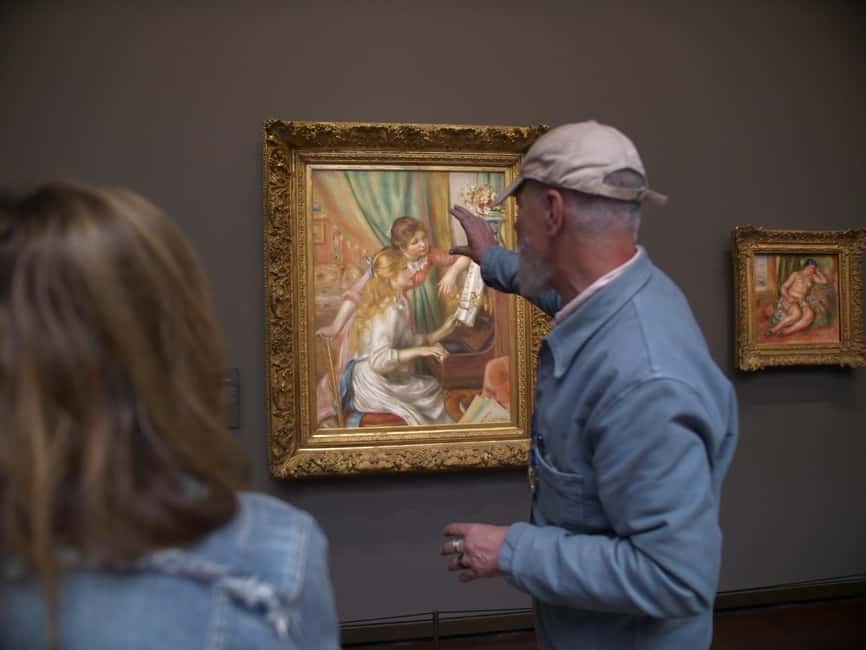
The guide is the key variable in this experience. The strongest feedback centers on clear explanations, enthusiasm, good pacing, and the ability to answer questions. Guides named in the feedback include Anais, Laurent, Karine, Christine, Amish, Christian, Hamish, Tina, Abad, Florence, Blerta, Addy, Catherine, and Erwan.
That range matters because each guide brings a different emphasis. Karine led a visit that ended up with only two people, creating an almost personal tour. Hamish has been praised for handling faulty audio equipment calmly while keeping the visit moving. Addy made an effort to involve children and used humor without forcing personal opinions on the group.
You can expect the guide to do more than recite dates. The best moments connect the art to artists’ personalities, historical events, French society, and artistic debates. One guide used a historical route from pre-Impressionism through Post-Impressionism, giving the whole visit a clear shape.
English ability can vary by guide. The large majority of the supplied feedback praises clear communication, but one person found the guide’s English somewhat difficult to understand. Headsets are provided when needed, which helps in crowded rooms, though audio equipment can occasionally cause trouble.
A fast pace is another recurring feature. That is useful when you want to see the museum’s main works in a short time. It may feel rushed if you prefer long, quiet contemplation. Tell yourself that the goal is to get your bearings and learn what deserves a second look.
Choosing between six people and 25
The semi-private option allows up to six people. If you value personal attention, this is the better choice. A smaller group makes it easier to ask questions, hear the guide, and adjust the pace when a painting interests you.
It can also feel more relaxed in crowded galleries. Your guide can keep the group together without the logistics of moving 20 or more people through a busy room. The semi-private format is particularly appealing for families, couples, or friends who want a more focused visit.
The larger group allows up to 25 people. It costs less in some booking situations, though the listed price for this experience is $69 per person, so check the available option and time before paying. A larger group can still work well, especially if your priority is reserved access and a structured route.
The headset matters more in the larger group. It lets you hear the guide while other visitors are nearby. Still, you should stay close and watch for movement between rooms. A big museum group can split briefly when a gallery is crowded.
Is $69 good value?
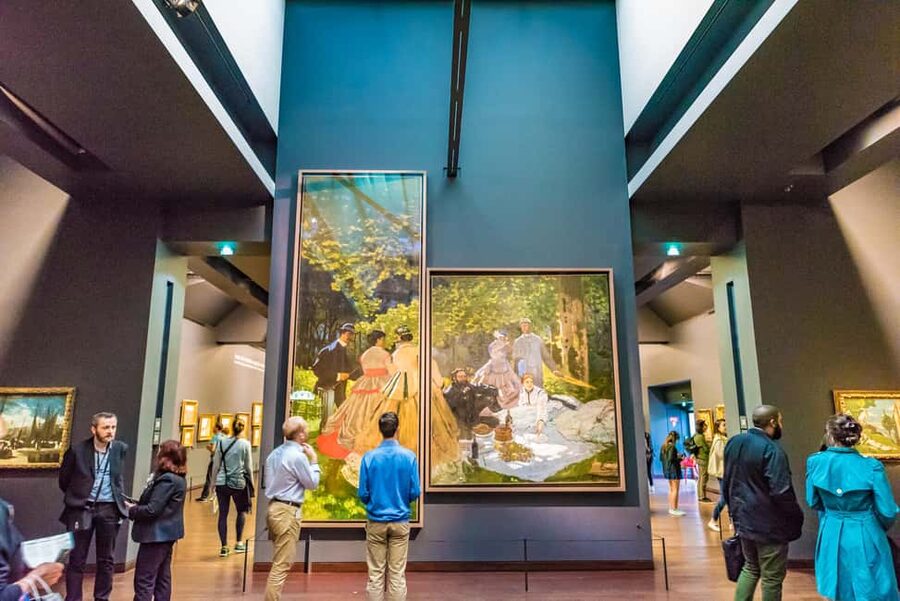
At $69 per person, this is not the cheapest way to enter the Musée d’Orsay. You are paying for more than admission. The price includes entrance and reservation fees, an English-speaking art historian guide, and a headset when needed.
The value depends on how you use your Paris time. If you have only a short window, reserved entry can save you from spending part of it in a ticket line. The guide also reduces the risk of wandering through a huge collection without seeing the works you came to find.
For a first visit, I consider the price reasonable if you want instruction as well as entry. The tour turns famous paintings into a connected story and gives you a plan for exploring afterward. If you already know Impressionist art well and prefer your own pace, buying entry alone may suit you better.
The semi-private option offers more value for people who care about questions and personal attention. The larger group may be the practical choice if you mainly want a guided introduction and fast access. Either way, the two-hour length keeps the commitment manageable.
Who should book this Musée d’Orsay tour?
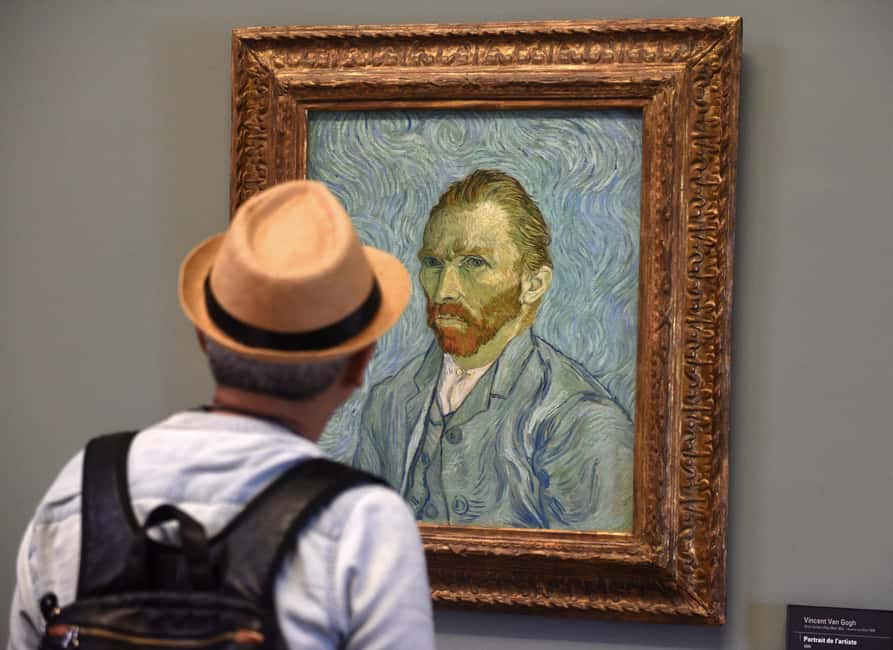
I would recommend it to a first-time visitor who wants the main Impressionist works without spending hours planning a route. It also suits people who have just visited the Louvre and want a more focused museum experience. One person booked it after visiting the Louvre and found that the guide helped make the changes in taste and technique easier to understand.
Families with older children and teenagers can also benefit. The explanations about mythology, artists’ relationships, politics, and scandals give younger visitors more to notice. Addy’s approach with children shows how a good guide can bring them into the discussion.
It is less suitable if you need step-free access or special assistance. The tour cannot accommodate wheelchair users or people with impairments requiring special assistance. Strollers and baby carriages are not accepted, and backpacks, large bags, luggage, and flash photography are not allowed.
You should also be comfortable walking for two hours. Wear practical shoes. The museum’s size, crowds, and warm non-air-conditioned sections can make the visit tiring.
Free cancellation is available up to 24 hours before the tour for a full refund, and you can reserve now and pay later. Those terms help if your Paris schedule is still shifting, but always confirm the chosen departure time before booking.
Plan extra time after the guided visit
The smartest way to use this tour is to add time after it. The guide gives you a route through the major works and explains what you are seeing. Once the tour ends, you can return to the artists or rooms that caught your attention.
Do not schedule a rushed lunch, train, or second attraction immediately afterward. The museum is large, and the tour may leave you curious about paintings that were not part of the main route. A few extra hours let you move at your own speed.
You may also want a short break before continuing. Two hours of standing, listening, and moving through crowds takes energy. If you plan the visit as the main event rather than a quick stop, you will get more from the building and collection.
Should you book it?
Book this tour if you want the Musée d’Orsay’s major works explained in plain English, with reserved entry and a clear two-hour route. It is especially useful for first-time visitors, art beginners, families with older children, and anyone short on time.
Choose the semi-private format if questions and personal attention matter most. Choose the larger group if you mainly want a structured introduction at the available rate. Skip it if you prefer long stretches alone with each painting, already know the collection well, or need wheelchair access.
For many visitors, the strongest reason to book is not simply seeing Monet or Van Gogh. It is learning how the artists relate to one another, how Paris shaped their subjects, and why their work changed art. That context can turn a famous museum visit into a much more memorable one.
FAQ
How long is the Musée d’Orsay guided tour?
The guided tour lasts two hours. It focuses on major Impressionist and Post-Impressionist works and includes the museum’s most important highlights.
What languages are available?
The tour is conducted in English with a live English-speaking guide.
What is included in the price?
The price includes the English-speaking art historian guide, Musée d’Orsay entrance and reservation fees, and a headset when necessary.
Where do I meet the guide?
Meet at the entrance of the Musée de la Légion d’Honneur at 5 Rue de la Légion d’Honneur, next to the stairs leading toward the Musée d’Orsay. The guide will hold a City Wonders sign.
What group sizes are available?
You can choose a semi-private tour for up to six people or a larger group tour with a maximum of 25 people.
Is the tour suitable for wheelchair users or strollers?
No. The tour cannot accommodate wheelchair users or people requiring special assistance. Strollers and baby carriages are also not accepted on group tours.
More Orsay Tours in Paris
- Paris: Orsay Museum Entry Ticket and Digital Audio Guide App
★ 4.4 · 3,170 reviews - Paris in a Day: Louvre or Orsay, Eiffel Tower, City Walk & Cruise
★ 5.0 · 1,956 reviews - Paris: Musée d’Orsay Skip-the-Line Tour with Expert Guide
★ 4.5 · 1,145 reviews - Musée d’Orsay Skip-the-Line Tour with Expert Guide
★ 4.8 · 1,088 reviews
Just added around Paris
- Paris Day Tour with Eiffel Tower, Louvre and Cruise Max 6 People★ 4.5 · 29 reviews
- PRIVATE Louvre Wonders & Hidden Treasures Visit★ 5.0 · 65 reviews
- d’Orsay Museum Paris entry ticket★ 3.5 · 31 reviews
- visiting the masterpieces of impressionists at Orsay museum★ 5.0 · 7 reviews
- Louvre Museum with private guide★ 5.0 · 3 reviews
- Louvre Wheelchair-Accessible Private Tour – Stress-Free & Easy★ 5.0 · 16 reviews
- LOUVRE, Small Group Guided Tour in French (TOP SALES)★ 4.5 · 9 reviews
- Musée d’Orsay Highlights Tour with Gourmet Lunch★ 4.5 · 11 reviews
Art Museum Tours in Paris, compared.
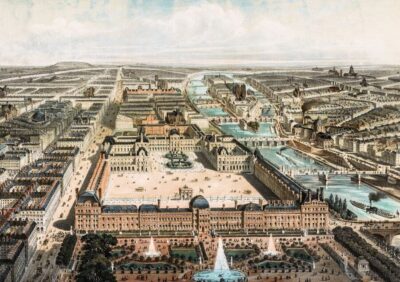
Louvre Guided Tour with Reserved Access & Boat Cruise
Read our review →
Louvre Overview, Exploration tour and Reserved Entry
Read our review →
Louvre Museum Entry Ticket With Host and River Cruise
Read our review →
Mona Lisa & Louvre Masterpieces Tour with Reserved Access
Read our review →
Louvre Museum – Exclusive Guided Tour (Entry Included)
Read our review →
Louvre Museum Hosted Entry and Mona Lisa Audioguide
Read our review →Browse the lists this tour appears in