
REVIEW · BILBAO
Rioja & Txakoli Wine Tasting in Bilbao with a Local Sommelier
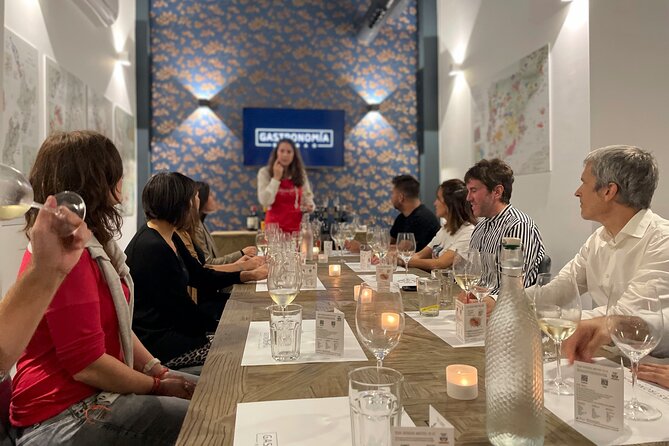
The best part of this Bilbao tasting is the contrast between Rioja and Txakoli. You get five regional wines, including whites and reds, with each pour matched to cheese or cured meat. Irene and the other sommeliers explain what makes the wines different, from soil and climate to local drinking customs.
I like the small maximum of 12 people, which leaves room for questions, and I like that the lesson takes place in a working wine bar rather than a distant vineyard. You also get useful advice on what to order in Bilbao bars, not just a string of tasting notes.
The main drawback is the short 90-minute format. It is enough for a clear introduction, but not a long winery visit or a full meal. At $53.92 per person, the value depends on how much you want the instruction and food pairings, since the tasting is best seen as a guided lesson with snacks rather than dinner.
Key points at a glance
- Five Basque-area wines: Expect a mix of whites and reds, with Rioja and Txakoli at the center of the tasting.
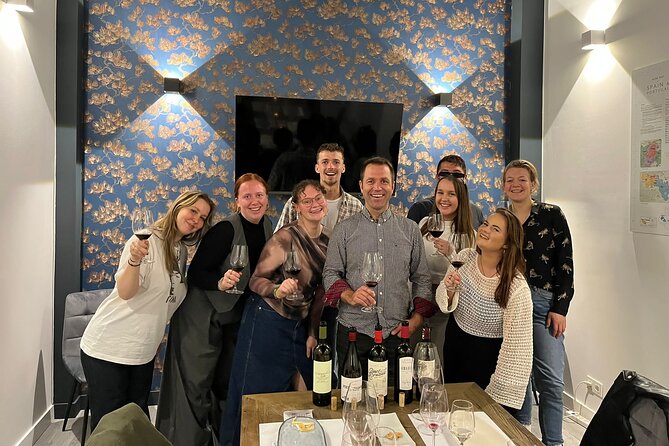
- A small, social setting: The group is limited to 12 people, and some sessions are much smaller.
- Local food pairings: Each wine comes with dried meat, cured meat, cheese, or a similar small pairing.
- Practical wine guidance: You learn how to recognize regional styles and what to order in local bars.
- Experienced hosts: Irene, Ales, and other members of the Gastronomía Bilbao team lead sessions.
- Central Bilbao location: The tasting begins and ends at Salbe pl. 6, near public transportation.
Why Rioja and Txakoli make a good Bilbao lesson
Bilbao sits in the Basque Country, where the local wine conversation is not limited to one style. Rioja is the better-known name internationally, while Txakoli gives you a distinctly Basque point of comparison.
Rioja is associated with red wine, though the region also produces white wines. Txakoli, often written as chacolí in Spanish, is especially linked with the Basque Country and is commonly encountered as a light, fresh white. The point of tasting both is not to decide which one wins. It is to see how different grapes, weather, and soils create different results in the glass.
That makes this a useful first or second-day activity in Bilbao. You can learn the local vocabulary before ordering wine with pintxos, then use the lesson later in the trip. I especially like that the experience covers how to order in local bars, not just where the wines come from.
The tasting also gives you a little regional context. The guides explain Basque wine traditions and compare wines from Spanish and French areas. That wider view helps you understand why a wine from nearby Rioja may feel quite different from a crisp Txakoli, even though both are part of the same northern Spain food-and-drink experience.
More Art Museum Tours in Bilbao
- Bilbao: Guggenheim VIP Experience. Small Group. Expert Guide
★ 4.7 · 528 reviews - Bilbao: Guggenheim Secrets & Savor the Sea’s Treasures. VIP
★ 4.6 · 458 reviews - Bilbao: Private & Exclusive Guggenheim Museum Guided Tour
★ 4.8 · 296 reviews
Arriving at Gastronomía Bilbao on Salbe pl. 6
You meet at Salbe pl. 6, 48007 Bilbao, and return to the same place when the tasting ends. The venue is Gastronomía Bilbao, described as a warm tasting room and wine bar in downtown Bilbao.
That setting matters. A vineyard visit can show you vines, cellars, and production equipment, but it also takes more time and usually requires transport beyond the city. Here, you stay in Bilbao and focus on the part most visitors actually need: tasting, comparing, and learning how the wines fit local food.
The location is near public transportation, which is useful if you are building the tasting around a day of museums, shopping, or old-town eating. The activity is offered in English, so you do not need Spanish or Basque wine terms to follow the explanation.
Gastronomía Bilbao also functions as a wine shop and food spot. After the tasting, you may be able to buy some of the wines and cheeses you tried. The experience is therefore more useful than a one-off sample if you want to continue exploring Basque products during your stay.
The five pours and what you will learn
The core tasting includes five local wines, selected to show the range of wine available in the Basque region and nearby areas. The exact lineup can vary, but one described session included one cava, two whites, and two reds.
That is a sensible spread for a short class. A sparkling opening gives you an easy way into the tasting, while the white wines let you compare fresher regional styles. The reds then bring in Rioja and other nearby examples, with differences in body, texture, and aging style becoming easier to notice.
You are not expected to arrive with technical wine skills. The lesson covers basic ways to look at, smell, and taste wine, and one session specifically included instruction on tasting techniques. This is helpful if wine menus usually feel like a test you did not study for.
The teaching also goes beyond grape names. You learn how soil and climate affect the identity of a wine. That is the useful part, because it gives you a way to make sense of future bottles. Instead of memorizing a list of labels, you start to connect a wine’s freshness, weight, or texture with where and how it was made.
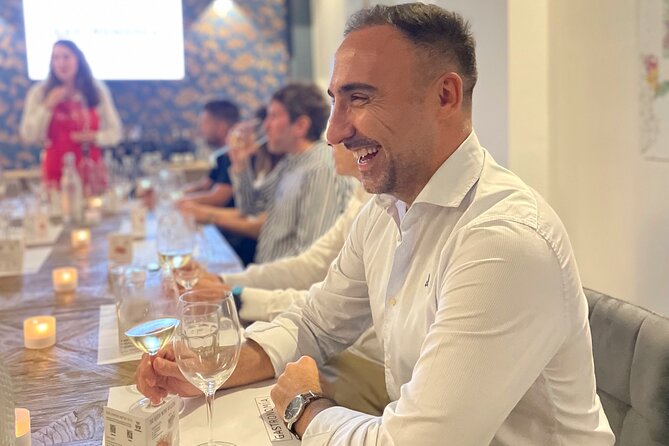
The session is educational, but it is not stiff. Irene is described as warm, energetic, and engaging, while Ales is noted for giving a detailed lesson on Basque wines and their differences from Spanish and French varieties. The tone appears to suit both beginners and people who already know their way around a wine list.
If someone in your group is a serious wine drinker, the tasting may still hold interest. One couple included a sommelier, and the regional comparisons gave him a chance to build on what he already knew. That said, the session is designed as an accessible introduction, not an advanced certification class.
Cheese, cured meat, and the Basque table
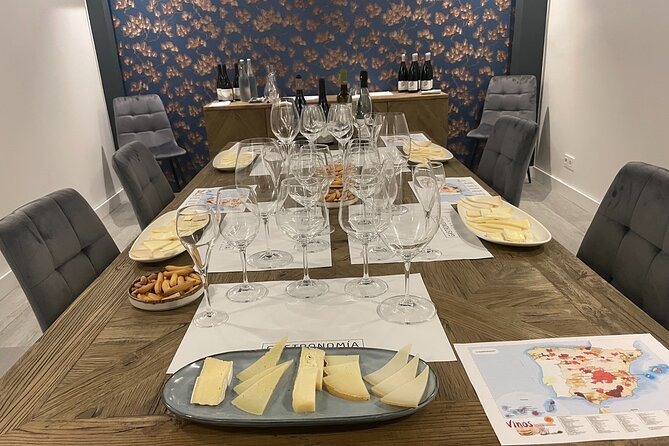
Every wine is paired with dried meat, cured meat, cheese, or a similar small food serving. The pairings are not an afterthought. They show you how local wine works with the salty, savory foods you are likely to encounter in Bilbao.
Cheese makes a particularly clear teaching tool. A fresh white can feel different beside cheese than it does on its own, while a fuller red may suit cured meat in a different way. You do not need to analyze every pairing formally. Just notice how the food changes the wine.
The portions are described as small boards rather than a full meal. Some people may find the combination generous enough for a light snack, but you should not book this as a substitute for lunch or dinner. If you finish hungry, the venue also serves pintxos and other dishes, though those are not presented as part of the standard tasting.
One useful feature is the chance to buy products afterward. You may find the same wines and some of the cheeses available to take back to your hotel. That gives the lesson a practical second act: you can repeat a pairing later, compare your own impressions, or bring a bottle home if your travel plans allow it.
Food allergies and intolerances should be shared in advance. The team says it can accommodate dietary needs, but you should not wait until the first pour to mention them.
A few more gallery visits around Bilbao worth comparing
- Paris: Les Caves du Louvre Guided Tour with Wine Tastings
★ 4.7 · 932 reviews - Picasso Museum and Walking Tour Plus Optional Wine & Food Tasting
★ 5.0 · 596 reviews - Chopin Piano Concert at Chopin Gallery with a Glass of Wine
★ 4.5 · 283 reviews - Louvre Masterpieces Express Guided Tour & French Wine Tasting
★ 4.0 · 206 reviews
A small group changes the feel
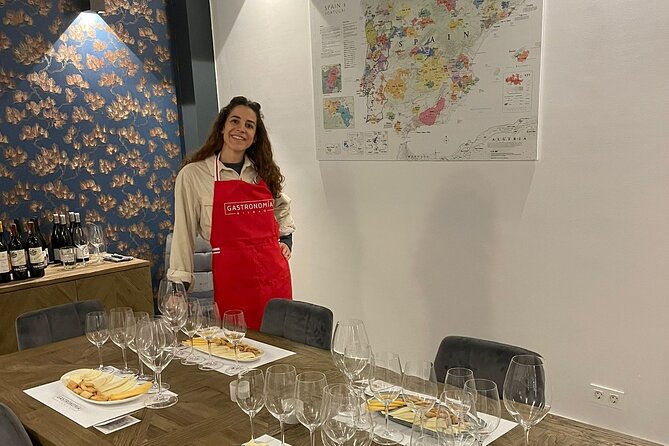
The maximum group size is 12. That is small enough for a personal session, while still giving the tasting a social feel.
A group of five, for example, can make the room feel almost private. A full group of 12 will be livelier and may leave less time for individual questions, but the format still remains far more focused than a large bus tour. If you want to ask why one Txakoli tastes sharper than another, or how to choose a Rioja in a bar, this is the kind of setting where you can ask without interrupting a crowd.
The guides also appear to adjust their style to the group. Irene is described as both welcoming and detailed, which is a good mix for a tasting that includes first-time learners and more experienced drinkers. You can listen casually, or use the time to ask more specific questions about regions, production, and pairings.
Because the experience is only about 90 minutes, the group size helps keep the pace moving. Five pours, food pairings, and regional explanations can fill the time quickly. I would arrive ready to take part rather than expecting a slow, open-ended evening.
What the price includes at $53.92
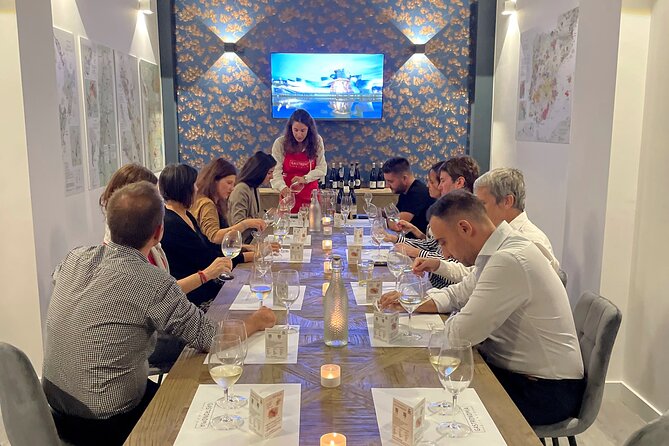
At $53.92 per person, this is not the cheapest way to drink wine in Bilbao. You could order several glasses at a bar for less, especially if your main goal is simply to sample Rioja or Txakoli.
The price makes more sense if you value the teaching. You receive five wines, food pairings, a structured explanation of Basque wine traditions, and practical advice for ordering later. The small group and English-language guidance also add value for visitors who want a clear introduction without having to research each bottle themselves.
I would compare it with the cost of a casual wine flight plus several plates of cheese and cured meat. The tasting will not replace a full restaurant meal, but it can save you from spending several evenings ordering at random while trying to understand the local wine list.
The best value comes for three types of visitors: beginners who want a friendly starting point, wine lovers who want regional context, and food-focused visitors who enjoy pairing. If you already have extensive knowledge of Rioja and Txakoli, you may find the general teaching too basic unless you use the question time well.
The activity is often booked around 27 days ahead, so it is sensible to reserve before your Bilbao dates are fixed only if your plans are firm. Free cancellation is available up to 24 hours before the start time, with a full refund. Changes or cancellations inside that window are not accepted, and the experience requires a minimum number of people to operate.
Who will enjoy this tasting most
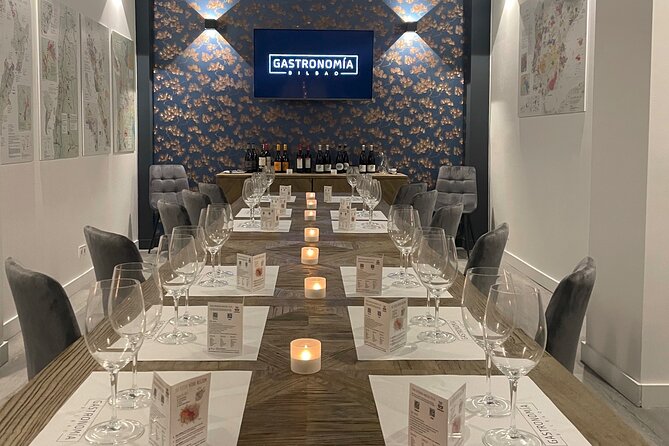
I would recommend this to couples, small groups of friends, and solo visitors who enjoy food but do not want a formal lecture. It is also a good choice for a parent and adult child, since the tasting offers enough structure to feel like an activity without taking an entire day.
It suits people who want to understand Bilbao through what is poured and served locally. The lesson connects wine to bar culture, regional products, and everyday ordering habits. That gives you more to use afterward than a simple list of tasting notes.
The tasting is also a smart choice if rain changes your plans. You stay indoors in central Bilbao, and the 90-minute length leaves plenty of time for another meal, museum visit, or walk afterward.
I would think twice if your main goal is to visit vineyards or see wine production firsthand. This is a city tasting, not a vineyard tour. You will learn about regions, soils, climate, and traditions, but you will not be spending the afternoon among vines or touring a cellar.
Likewise, do not book it expecting a full pintxos crawl. The cheese and meat pairings are part of the lesson, and you can continue eating at the venue afterward, but the tasting itself is built around wine education.
Practical tips for getting more from the 90 minutes
Read a little about Rioja and Txakoli before you arrive, but do not try to memorize every detail. You will get more from the session if you pay attention to how each wine feels in comparison with the last.
Ask what you should order in a typical Bilbao bar. This is one of the most useful parts of the experience, and it can help you move beyond familiar international labels.
If you have food allergies or intolerances, contact the team in advance. The tasting includes cheese and cured or dried meats, so advance notice matters.
Eat lightly beforehand. The pairings are substantial enough to make the wine more comfortable, but they are not intended as a full meal. You can plan a proper meal before or after, depending on your schedule.
If you find a bottle or cheese you enjoy, ask about buying it at Gastronomía Bilbao. The venue is also a wine shop, and several participants used the chance to continue the experience back at their hotel.
Finally, leave a little room in your schedule after the tasting. The activity officially ends back at the meeting point, and you may want to stay for pintxos or browse the shop rather than rushing straight to your next appointment.
Should you book Rioja and Txakoli Wine Tasting in Bilbao?
Book it if you want a friendly, focused introduction to Basque wine without leaving Bilbao. The strongest reasons are the five-wine comparison, the cheese and cured-meat pairings, the small group, and the practical advice on ordering in local bars.
I would especially choose it early in a Bilbao visit. You can use what you learn later at pintxos bars and restaurants, and you may find a bottle or cheese to enjoy afterward.
Skip it if you want a full meal, a vineyard walk, or a long winery tour. For most visitors who like food and want more confidence with Spanish regional wine, however, the $53.92 price is fair for a 90-minute lesson led by a local sommelier.
FAQ
Where does the wine tasting begin?
It begins at Salbe pl. 6, 48007 Bilbao, Bizkaia, Spain, at Gastronomía Bilbao.
Where does the activity end?
The tasting ends back at the meeting point.
How long does the experience last?
The tasting lasts approximately 1 hour and 30 minutes.
How many wines are included?
You taste five local wines, including white and red styles connected with Rioja and Txakoli. One described lineup included one cava, two whites, and two reds.
Is the tasting offered in English?
Yes. The activity is offered in English.
What food is served with the wine?
The wines are paired with dried meats, cured meats, and cheeses. The tastings include small food pairings rather than a full meal.
Can I cancel for a full refund?
Yes. You can cancel at least 24 hours before the experience start time for a full refund. Cancellations or changes made less than 24 hours before the start time are not accepted.
More Food & Drink in Bilbao
- Guggenheim Museum and tasting of traditional Basque products
★ 4.0 · 15 reviews - Dublin Irish Whiskey Museum and Gallery Guided Tour with Tasting
★ 5.0 · 3,078 reviews - Bundaberg: Brew Tasting and Self-Guided Gallery Tour
★ 4.8 · 256 reviews - Wynwood Food & Art Tour – exclusive access to the Wynwood Walls
★ 5.0 · 158 reviews
Just added around Bilbao
- Guggenheim Bilbao Museum Private Tour★ 4.5 · 98 reviews
- Guggenheim Museum guided tour★ 5.0 · 26 reviews
- Bilbao & Guggenheim Museum Private Walking Tour with guide★ 5.0 · 4 reviews
- Private Guggenheim Museum Bilbao Tour with Official Guide★ 5.0 · 21 reviews
- Guided tour of the Guggenheim Museum Bilbao in Spanish★ 5.0 · 5 reviews
- Bilbao Guggenheim Museum Entry Ticket★ 3.5 · 69 reviews
- Full-day private Bilbao tour (Guggenheim museum & full pintxo lunch included)★ 5.0 · 5 reviews
- Guggenheim Museum and tasting of traditional Basque products★ 4.0 · 15 reviews
Art Museum Tours in Bilbao, compared.
Guggenheim VIP Experience. Small Group. Expert Guide
Read our review →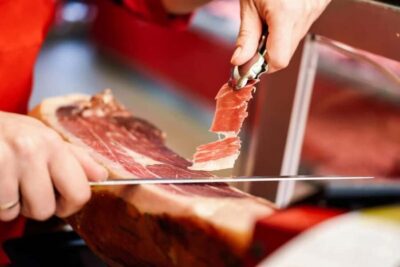
Guggenheim Secrets & Savor the Sea’s Treasures. VIP
Read our review →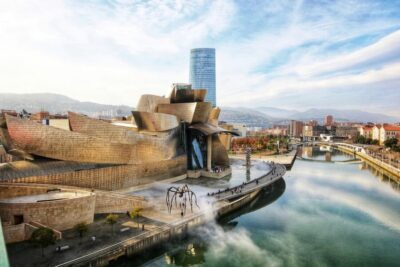

Guggenheim Like Never Before: VIP Access. Small Group.Top
Read our review →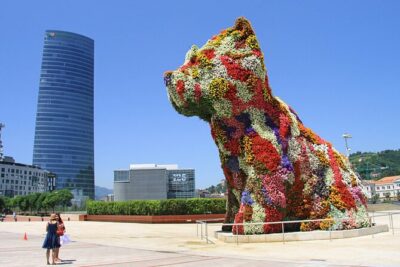
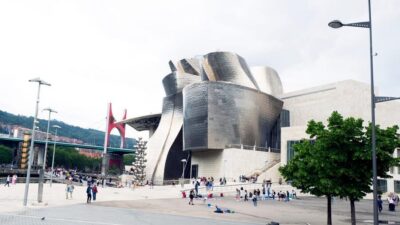

Guggenheim Bilbao museum in spanish Ticket included
Read our review →Browse the lists this tour appears in