REVIEW · PARIS
Louvre Museum Small Group Spanish Guided Tour
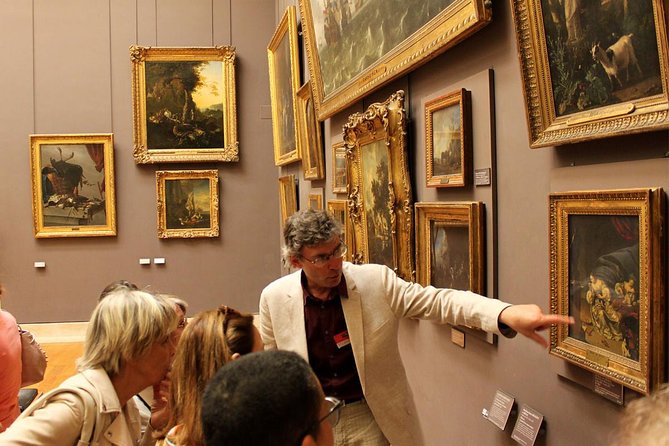
The smartest part of this two-hour Louvre tour is not simply seeing the Mona Lisa. It is having a guide lead you through a museum so large that wandering without a plan can eat up your morning. You will also get a Spanish-speaking guide and a group capped at six people, which makes questions and conversation much easier.
I like the carefully chosen route through major works, especially the Mona Lisa, Venus de Milo, and Raft of the Medusa. I also like that your ticket remains valid for the entire day, so the guided visit can serve as your introduction rather than your entire Louvre experience. The main caution is timing: the tour moves quickly, and priority entry does not always mean walking straight inside.
- Small group of six: A compact group gives you a better chance to hear the guide and ask questions.
- Spanish guided visit: Expect a professional multilingual guide working in Spanish, with some guides also using French or English.
- Major Louvre highlights: The route includes the Mona Lisa, Venus de Milo, and Raft of the Medusa.
- All-day ticket: Stay inside after the two-hour visit and return to favorite galleries at your own pace.
- Priority access with limits: Pre-booked admission can help, but an entry queue may still occur during busy periods.
- Fast, focused pace: This suits a first visit with limited time, not a slow study of every gallery.
Why a Small Spanish Tour Helps at the Louvre
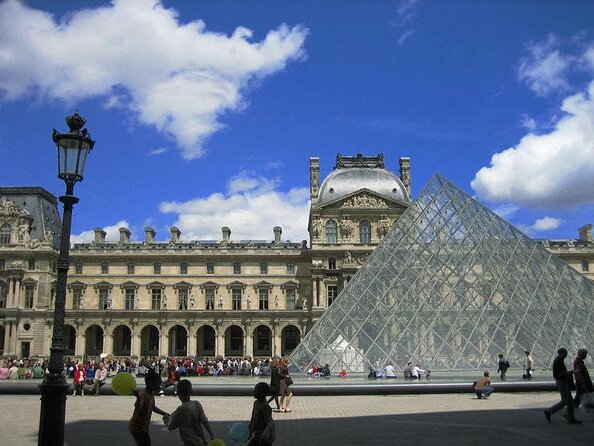
The Louvre is not a museum you casually finish before lunch. Its galleries cover an enormous former palace, and the famous works are spread across different rooms and wings. A two-hour tour cannot show you everything, nor should it try.
Instead, this visit gives you a clear route through a selection of major works. Your guide provides the story, context, and basic art-reading skills that can make a crowded room feel less chaotic. You are not left guessing which painting matters, where to go next, or why one marble statue has a line around it.
The group limit of six is important. A large guided group can turn an art museum into a procession, with the guide speaking to the front row while everyone else strains to listen. With six people, you should have a more personal exchange, though the experience still depends on the individual guide and the conditions inside the museum.
Spanish is the main reason to book this version. The guides are multilingual, and named guides such as Florion, Floren, and Margot have been singled out for clear explanations, good preparation, friendly service, and attention to individual needs. One guide was also praised for helping a member of a family group with a disability. The exact guide is not guaranteed, and one Spanish-language guide was described as French, with occasional difficulty finding a Spanish word.
Meeting at 6 Rue de l’Amiral de Coligny
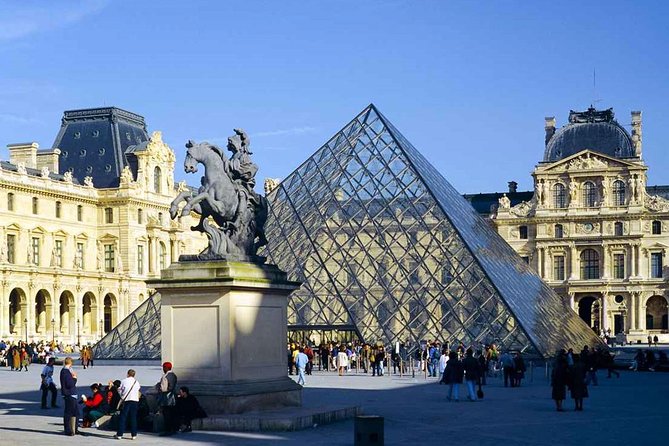
The meeting point is at 6 Rue de l’Amiral de Coligny, 75001 Paris. From there, you go to the Louvre with your guide and enter using a pre-booked admission ticket.
Allow extra time to reach the meeting point. This is a central Paris location, but the tour begins at a set time, and a late arrival can cut into the visit. One poor experience began when the group left eight minutes after the scheduled start, then spent additional time reaching the entrance queue. The guide had another appointment later, so the shortened museum visit could not simply be extended.
That detail matters. A small-group tour is still tied to a schedule. Arrive early, find the meeting point without rushing, and treat the stated start time as firm. You do not want to lose the first part of a two-hour tour while trying to locate your guide.
The listed end point is the Louvre Museum itself. Once the guided portion finishes, you can remain inside with the same day-valid ticket. This is one of the tour’s most useful practical features.
More Art Museum Tours in Paris
- Paris: Louvre Museum Timed-Entrance Ticket
★ 4.6 · 71,977 reviews - Paris: Orsay Museum Entry Ticket
★ 4.7 · 25,647 reviews - Paris: Louvre Guided Tour with Reserved Access & Boat Cruise
★ 4.3 · 16,353 reviews
Priority Entry, But Not a Magic Door
The tour includes pre-booked tickets and priority access. That can be valuable at a museum that draws more than 10 million visitors a year, particularly when the entrance area is busy.
Still, you should read priority access realistically. It does not always mean no waiting at all. Some departures have faced a queue of around 25 minutes, while another report describes a wait of about 40 minutes before entering. At the Louvre, security, ticket checks, and crowd levels can all affect the start of your visit.
This is the tour’s biggest weakness. The service is sold around faster access, yet an entry line can consume a noticeable part of the two-hour schedule. If you are paying mainly to avoid waiting, the value depends heavily on the day and time.
Starting early is a sensible move. One of the clearest practical lessons from the experience is that morning visits can help you avoid some of the worst crowds. Even then, do not expect the Mona Lisa area to be peaceful. The room can be noisy, packed, and slow-moving, with a separate line of people trying to get close to the painting.
The Louvre’s Famous Works in Two Hours
The route focuses on the museum’s best-known sights and important artistic periods. You will not see every room, and you will not have time to study each work at length. What you get is a guided introduction to the Louvre’s main artistic landmarks.
The Mona Lisa
The Mona Lisa is the work most people want to see, but it can also be the least relaxed part of the tour. Expect crowds, noise, and a controlled viewing area rather than a quiet moment in front of Leonardo’s painting.
A guide helps by giving the work a place within the wider museum visit. Instead of spending your entire morning trying to reach the front, you can understand why the painting matters, see it with realistic expectations, and move on to other rooms that offer more breathing space.
Do not measure the whole tour by your time with the Mona Lisa. The painting is small, and the crowd around it can be large. The value comes from seeing it as part of a wider route rather than treating it as the only reason to enter the Louvre.
More Louvre tours and timed tickets:
- Louvre Museum Masterpieces Guided Tour with Access
★ 4.5 · 12,023 reviews - Paris: Louvre Overview, Exploration tour and Reserved Entry
★ 4.1 · 10,145 reviews - Paris: Louvre Museum Entry Ticket With Host and River Cruise
★ 4.6 · 9,926 reviews - Mona Lisa & Louvre Masterpieces Tour with Reserved Access
★ 4.6 · 6,812 reviews
The Raft of the Medusa
Théodore Géricault’s Raft of the Medusa gives the visit a very different experience. Its large scale and dramatic subject make it easier to appreciate from a distance, while a guide can point out details you might miss when moving through a packed gallery.
This is the kind of stop that shows why a guided visit helps. A quick photograph does not explain the scene, its emotional force, or the visual choices that draw your eye across the canvas. Your guide can give you a way to look, not just a name to remember.
The Venus de Milo
The Venus de Milo is another essential stop. Like the Mona Lisa, it can attract a crowd, but the statue is best understood as part of the Louvre’s sculpture collection and its long tradition of displaying ancient art.
Your guide can connect the statue to the surrounding galleries and explain what makes it so famous. The stop is brief, but it gives you a useful anchor for exploring the museum later on your own.
A Fast Route Through an Enormous Museum
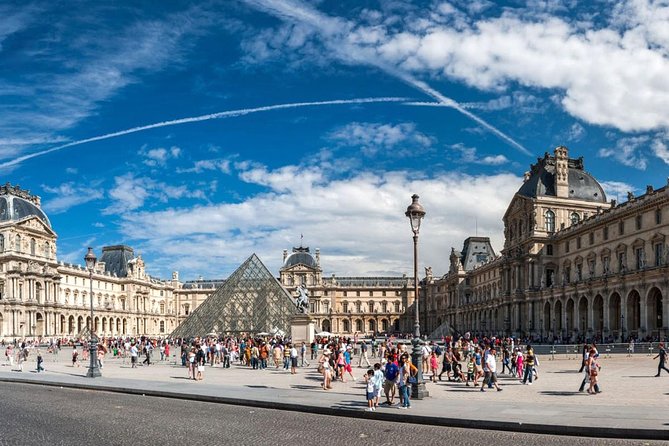
The pace is brisk by design. You are covering major works in about two hours, and the guide must keep the group moving through a museum with vast galleries and heavy foot traffic.
That is good news if you have limited time in Paris. You will get a reliable first look at key works without spending an hour studying the floor plan or walking past rooms that do not fit your interests. The route also helps first-time visitors avoid the common mistake of trying to see everything.
The same pace can frustrate you if you want long periods in front of individual paintings. Several parts of the experience have been described as rushed or tightly timed. You may need to note the rooms or works you want to revisit later, then return after the guide leaves.
I see the speed as a tradeoff, not a flaw by itself. A two-hour highlight tour should move. The problem begins when entry delays reduce the actual time with the guide. That is why the all-day ticket matters so much.
Staying After the Guide Leaves
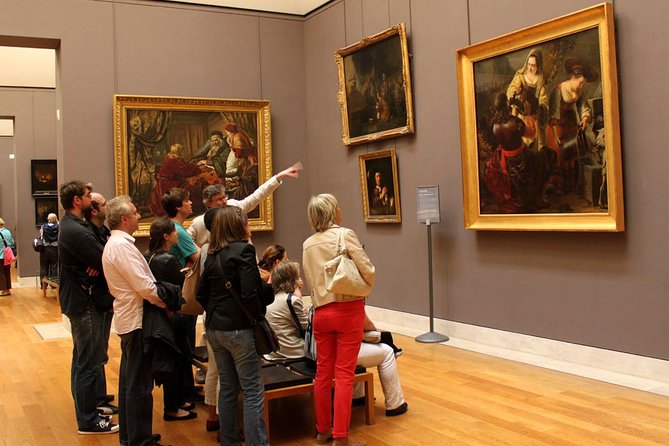
When the guided part ends, you can continue through the Louvre for the rest of the day. This turns the visit into two useful stages.
First, let the guide get you oriented. Follow the route, listen to the explanations, and notice which rooms catch your interest. Then take a break if you need one and return to the works that deserve more time.
You can also use the remaining hours to see areas that were not part of the guided route. The tour is built around highlights, so independent time lets you make the visit more personal. You might revisit the Mona Lisa area if you want another look, or spend longer with the sculpture and painting galleries that the group had to pass quickly.
This is a major advantage over a ticket that only covers a short appointment. You are not forced to leave when the guide does. The price makes more sense if you plan to remain at the museum afterward.
The Guides Make the Difference
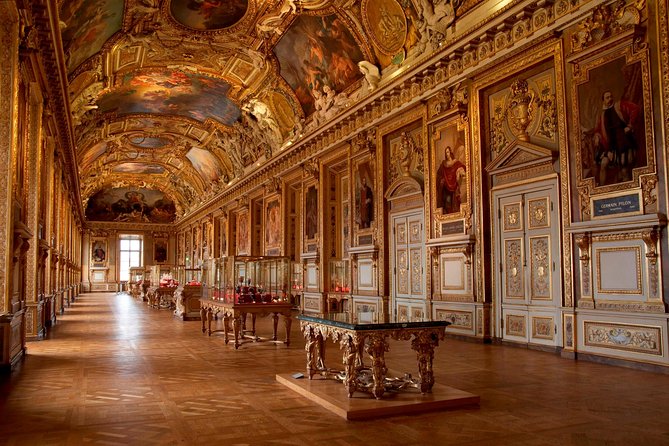
The strongest part of this experience is the human element. Guides named Florion and Floren have been praised for punctuality, professional conduct, strong explanations, and well-chosen stops. Margot has been described as warm, prepared, and attentive to a family member with a disability.
That praise points to what you should want from a Louvre guide: direction, clear storytelling, and an ability to adjust to the group. A guide who knows how to explain a painting in plain Spanish can save you from a long list of dates and names that vanish as soon as you leave the gallery.
The quality is not perfectly uniform. One Spanish-language guide was less comfortable with some Spanish vocabulary, though the group was able to help. The tour is marketed for Spanish speakers, but the wider guide team is multilingual, so the actual language flow can vary.
If you need advanced art history in polished Spanish, ask about the guide before booking if that option is available. If you mainly want a clear route and useful explanations in Spanish, the experience is more likely to suit you.
Is $80 Fair for Two Hours?
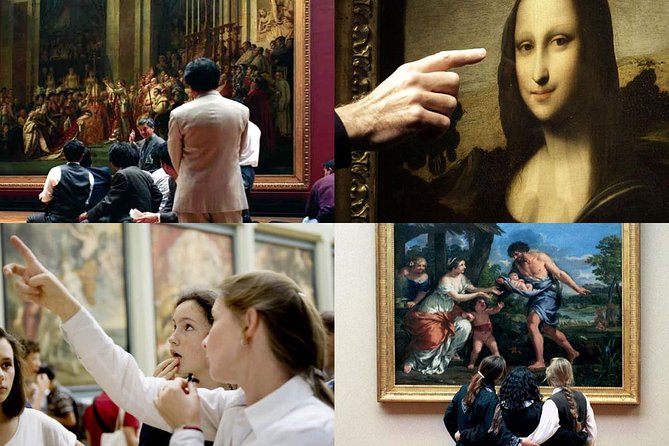
At $80, this is not a cheap Louvre entry. You are paying for the museum ticket, a Spanish-speaking guide, a small group, and the chance to remain inside for the rest of the day.
The price is easier to justify if you value structure. A guide can save you from losing time, help you find the major works, and add meaning to what you see. The small group also gives you a more personal setting than a large coach-style tour.
The value weakens if you only want admission or if you plan to spend the day moving slowly through rooms on your own. It also weakens if a long entry queue cuts into the guided time. Some people have considered the cost high compared with the service, especially in the context of expensive Paris sightseeing.
I would book it for a first Louvre visit when your time is limited and Spanish guidance matters. I would skip it if you already know the museum well, prefer an unhurried pace, or mainly want a low-cost ticket.
Who Should Book This Louvre Visit?
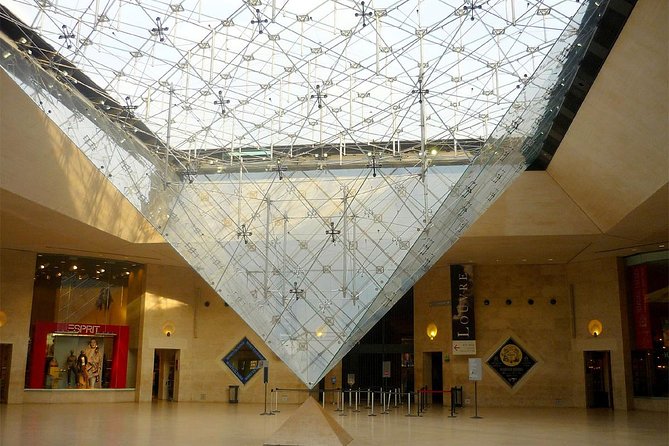
This tour works best for you if:
- You want a Spanish-speaking guide rather than an audio guide or self-guided visit.
- You are visiting the Louvre for the first time.
- You have only a few hours but want to see major works.
- You prefer a group of no more than six people.
- You plan to stay inside after the tour.
- You want help making sense of famous paintings and sculptures.
It is less suitable if your main goal is solitude. The Louvre is crowded, especially around the most famous works, and the tour cannot control the noise or the queue at the Mona Lisa.
It is also not ideal for visitors who want to spend 20 minutes with one painting. The guide has a fixed schedule, and the route is designed to cover several important stops.
Practical Advice Before You Go
Arrive early at 6 Rue de l’Amiral de Coligny. The tour begins on time, and even a short delay can matter if the guide has another appointment after your visit.
Wear comfortable shoes. The route involves moving through a very large museum, and you may want to continue exploring after the official two hours.
Keep the rest of your day flexible. Your ticket is valid for the day, so plan to remain at the Louvre if the galleries interest you. This is the best way to get full value from the admission.
Expect a crowd at the Mona Lisa. Treat it as one stop among several, not as a private viewing. The Raft of the Medusa and Venus de Milo offer equally important reasons to slow down when you return independently.
Service animals are allowed, and most people can participate. The tour requires a minimum number of participants, so a departure can be canceled if that minimum is not reached. The booking is non-refundable and cannot be changed, so choose your date carefully.
Should You Book It?
Book this Louvre tour if you want a focused introduction in Spanish, appreciate a small group, and intend to keep exploring after the guide finishes. The strongest guides, including Florion, Floren, and Margot, have made the visit friendly, clear, and worthwhile, and the all-day ticket gives you room to continue at your own pace.
Go in with realistic expectations. Priority access may still involve a queue, the route moves quickly, and the Mona Lisa is likely to be crowded. For a first visit with limited time, the structure and Spanish explanations are valuable. For a slow, low-cost, independent museum day, buy admission separately and set your own route.
FAQ
How long is the Louvre Spanish guided tour?
The guided visit lasts approximately two hours.
What language is the tour conducted in?
The tour is offered with a Spanish-speaking guide. The guide team is multilingual and may also work in French and English.
How many people can join the tour?
The group has a maximum of six travelers.
Which Louvre artworks are included?
The route includes the Mona Lisa, Venus de Milo, and Raft of the Medusa, along with other important museum galleries and works.
Can I stay in the Louvre after the guided tour?
Yes. Your Louvre admission ticket is valid for the entire day, so you can continue exploring after the two-hour guided visit.
Does priority access guarantee that I will enter without waiting?
No. Priority access and pre-booked admission are included, but queues may still occur. Some visits have involved waits of around 25 to 40 minutes.
Can I cancel or change my booking?
No. The experience is non-refundable and cannot be changed for any reason. If the operator cancels because the minimum number of participants is not reached, you will be offered another date or experience, or a full refund.
Just added around Paris
- Paris Day Tour with Eiffel Tower, Louvre and Cruise Max 6 People★ 4.5 · 29 reviews
- PRIVATE Louvre Wonders & Hidden Treasures Visit★ 5.0 · 65 reviews
- d’Orsay Museum Paris entry ticket★ 3.5 · 31 reviews
- visiting the masterpieces of impressionists at Orsay museum★ 5.0 · 7 reviews
- Louvre Museum with private guide★ 5.0 · 3 reviews
- Louvre Wheelchair-Accessible Private Tour – Stress-Free & Easy★ 5.0 · 16 reviews
- LOUVRE, Small Group Guided Tour in French (TOP SALES)★ 4.5 · 9 reviews
- Musée d’Orsay Highlights Tour with Gourmet Lunch★ 4.5 · 11 reviews
Art Museum Tours in Paris, compared.


Louvre Guided Tour with Reserved Access & Boat Cruise
Read our review →
Louvre Overview, Exploration tour and Reserved Entry
Read our review →
Louvre Museum Entry Ticket With Host and River Cruise
Read our review →
Mona Lisa & Louvre Masterpieces Tour with Reserved Access
Read our review →
Louvre Museum – Exclusive Guided Tour (Entry Included)
Read our review →