
REVIEW · GERMANY
Hamburg: Port des Lumières Vermeer & Van Gogh
The main idea here is simple and effective: Dutch paintings become room-sized projections, with color, music, and moving images replacing the quiet galleries of a traditional museum. In about an hour, you pass from Vermeer and Rembrandt to Van Gogh, then onward through changing ideas about color, line, and light.
I like the chance to see more than 300 works in one sitting, especially if you are new to these artists. I also like the free lockers, air conditioning, wheelchair access, and central HafenCity setting. The catch is important: there is no guide or detailed art commentary, and one visitor found it felt like an expensive slideshow.
- 360 degree projections: Paintings cover the walls and surround you with image and sound.
- Three major Dutch names: Vermeer, Rembrandt, and Van Gogh anchor the program.
- A broad art timeline: The show reaches from the 17th to the 19th centuries and later explores Mondrian.
- About one hour inside: The short format works well before or after other HafenCity plans.
- A visual rather than academic visit: You get atmosphere and scale, not a guided lesson beside original paintings.
- Practical location: The entrance is at Westfield Überseequartier, at the corner of Osakaallee, Überseeallee, and Magdeburger Brücke.
What the Port des Lumières experience is really offering
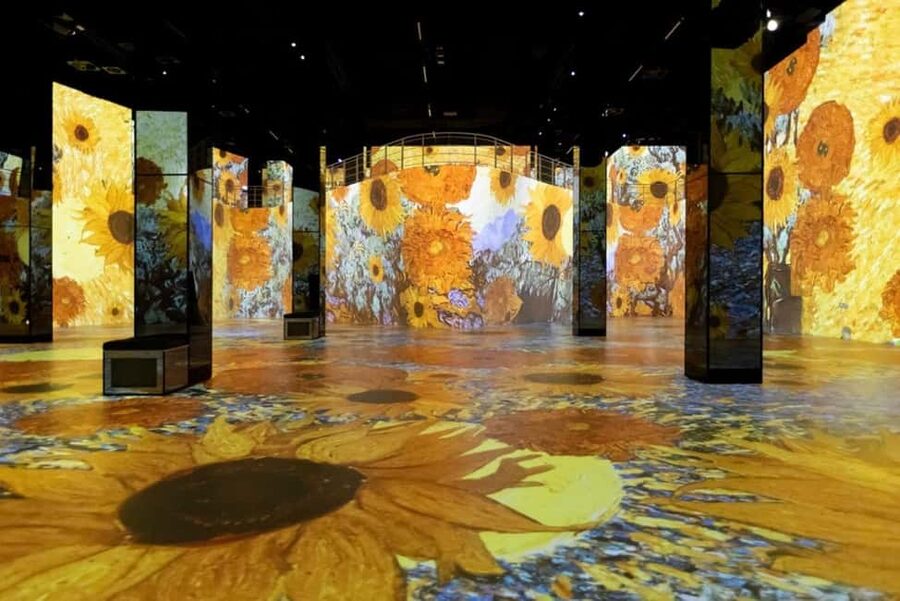
Port des Lumières is built around projected art, not framed originals. That distinction will shape your visit more than anything else.
You enter a large viewing space where images can cover the walls around you. The works are enlarged far beyond their normal gallery size, and surround sound adds a musical or atmospheric layer. Instead of standing in front of one painting for five minutes, you watch scenes move and shift across the room.
That format can make familiar names feel fresh. A Vermeer interior, a Rembrandt portrait, or one of Van Gogh’s forceful color studies gains a different effect when it fills your field of view. You are not studying brushwork at close range, though. You are taking in composition, color, and mood from a distance.
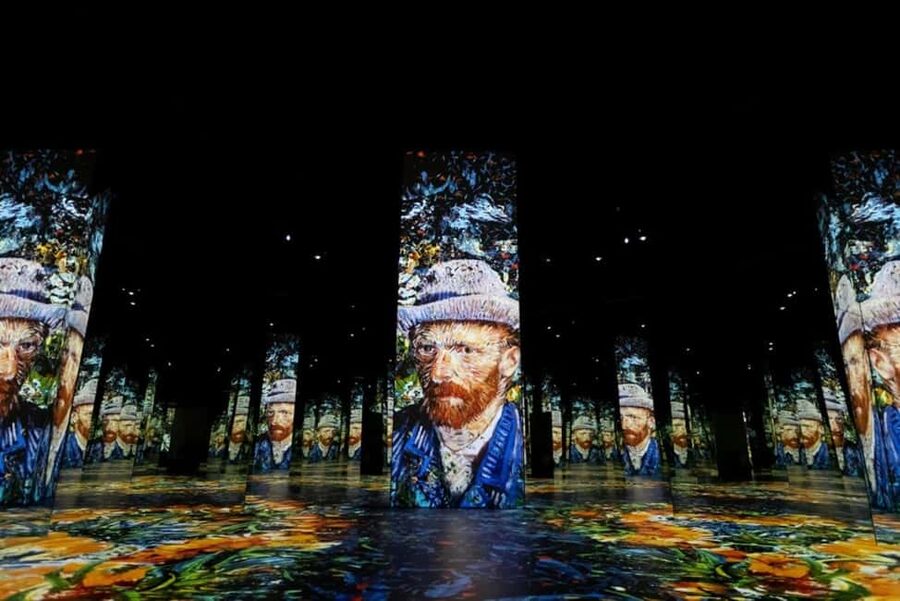
The exhibition presents more than 300 important works by Vermeer, Rembrandt, Van Gogh, and other painters from the 17th through the 19th centuries. The scope is broad, with scenes of daily life, winter settings, and religious or spiritual subjects. A later section connects Van Gogh’s use of color and line with Mondrian and other developments.
That range gives the hour some structure. You begin with Dutch masters, move through changing subjects and styles, then consider how artists treated color, lines, and light in new ways. The exact amount of time spent with each painter is not specified, so you should not expect a full biography or a room devoted to every artist.
Vermeer, Rembrandt, and Van Gogh on giant walls
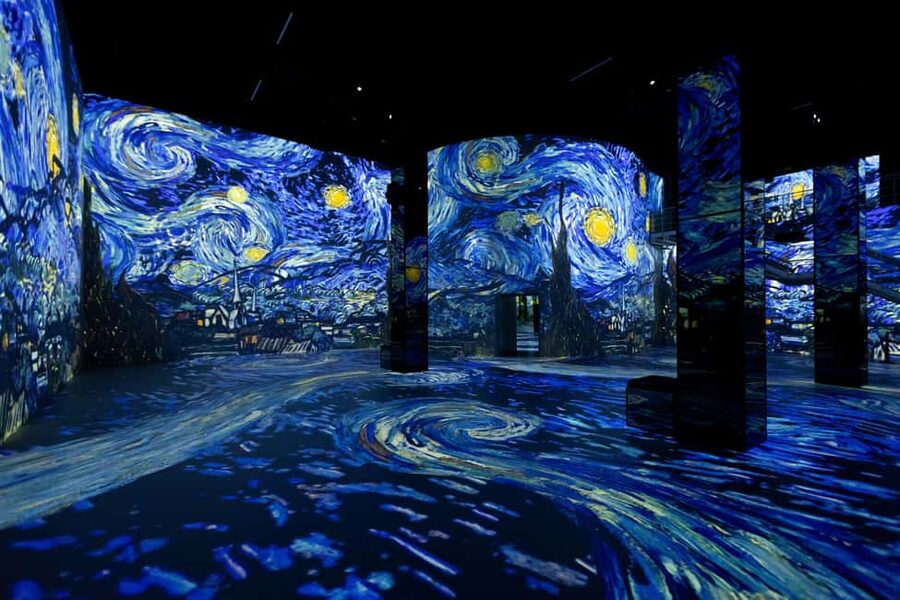
The strongest part for many people will be the scale. Paintings that are normally small or medium-sized can become the entire room. You can notice broad shapes and color relationships quickly, even if you do not know much about art.
Vermeer offers an inviting starting point because his work is known for quiet interiors, careful light, and ordinary moments. In a projection setting, those details can be enlarged and surrounded by shifting light. You may appreciate the overall mood more than the tiny surface details you would study in a museum.
Rembrandt brings a different weight. His portraits and scenes often depend on strong light and shadow, which should translate well to projected walls. The program’s spiritual subjects also give the art a more serious tone than a simple parade of famous images.
Van Gogh is the natural crowd-pleaser in a show like this. His strong colors and sweeping marks are easy to recognize at a large scale. The room-sized presentation makes his work feel active and physical, though it can also simplify the experience into color and motion.
That is both the pleasure and the limitation. You get a quick, memorable sense of each painter’s visual world. You do not get the slow, close look that lets you compare paint, paper, canvas, or fine technique.
More Van Gogh Museum tickets:
- Amsterdam: Van Gogh Museum Ticket
★ 4.7 · 52,054 reviews - Amsterdam: Van Gogh Museum Ticket and City Canal Cruise
★ 4.6 · 3,899 reviews - Amsterdam: Van Gogh Museum Ticket & Canal Cruise
★ 4.5 · 3,304 reviews
From everyday scenes to winter views and spiritual subjects
The program is not limited to portraits or famous scenes. It includes depictions of everyday life, winter settings, and religious or spiritual realms.
This variety matters because Dutch painting is often reduced to a few famous names. A room showing daily activities can make the period feel more human and less like a list of art-history dates. Winter scenes bring changes in light and weather, while spiritual images shift the mood toward belief and reflection.
I would pay attention to how the show moves between these subjects. The effect is less like walking through a museum wing and more like watching a visual presentation with chapters. If you enjoy mood, music, and broad visual transitions, that can be satisfying.
If you want a label beside every image, prepare to do some work yourself. The available information stresses the artists and the visual program, but it does not promise detailed explanations for each painting. Some content is presented in its original language, and no guide is included.
That makes the visit easy for newcomers, but less satisfying for anyone seeking a serious art lesson. You can appreciate the images without prior knowledge, yet you may leave with questions about titles, dates, and artistic choices.
The color, line, and light section
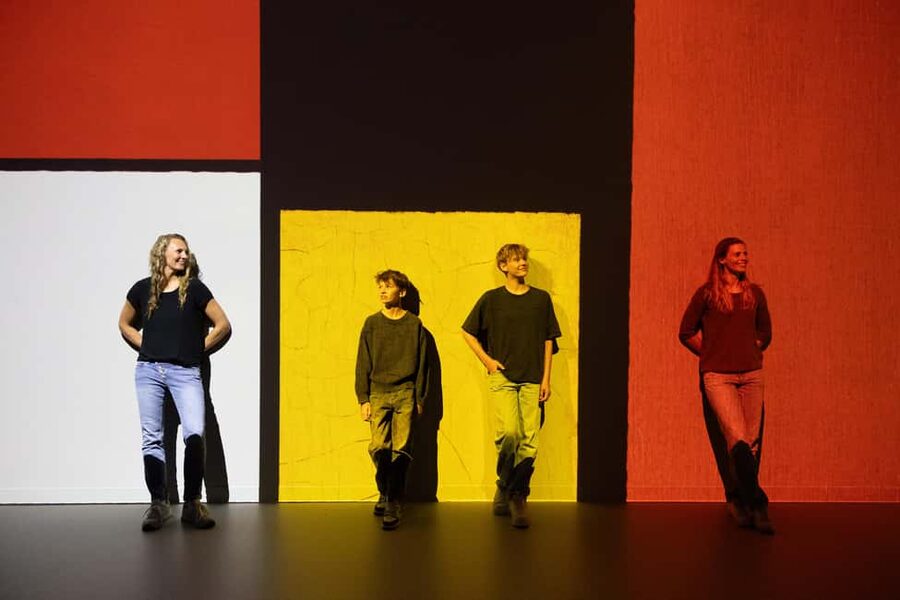
The program also looks beyond Van Gogh toward Mondrian, with a focus on color, lines, and light. This gives the presentation a wider reach than a simple Dutch Masters show.
For you, the value is the connection between artists. The program suggests that art changes over time, and that ideas about color and structure can continue from one generation to the next. Van Gogh’s expressive approach and Mondrian’s more ordered visual language make a useful contrast.
Do not expect this section to function like a classroom lecture. The supplied details describe an experience built from projections and sound, not a guided comparison. You will need to make the visual connections yourself.
Still, the move from recognizable 17th and 19th century painters toward Mondrian can keep the final part from feeling repetitive. It also makes the event more appealing to someone who likes modern art as well as old masters.
Why the one hour length works
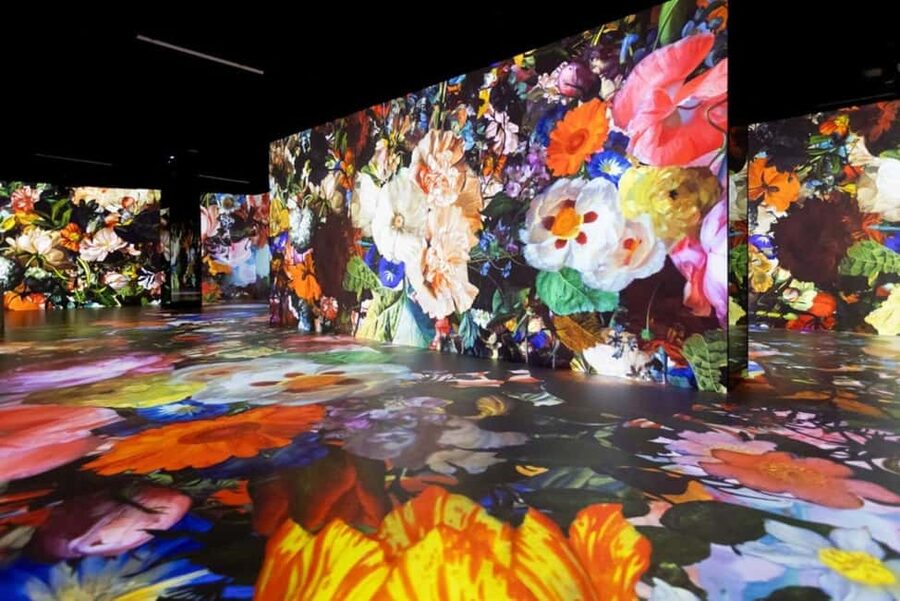
The exhibition lasts about one hour. That is short enough to fit into a day of sightseeing, but long enough to feel like a planned cultural stop rather than a quick display.
I see this as a useful option in Hamburg when you want an indoor activity without giving half a day to a museum. You can schedule it around a meal, shopping at Westfield Überseequartier, or other plans in HafenCity.
The selected time slot matters. Your ticket is valid for the time you choose, so check the available starting times before you plan the rest of the day. You should arrive with the expectation of a set presentation rather than an open-ended visit.
The one hour format also limits fatigue. Projection shows can become tiring when they run too long, especially if you are standing or watching repeated transitions. Here, the compact running time keeps the commitment modest.
On the other hand, the short visit affects the price calculation. At $21 per person, you are paying for a carefully produced visual event of roughly one hour. That is fair if you value scale, sound, and atmosphere. It feels less convincing if you expect extensive interpretation, original art, or several hours of museum access.
Same city, a completely different collection:
- Dresden: Church of Our Lady Guided Tour of Gallery
★ 4.7 · 2,421 reviews - Berlin: East Side Gallery Spree Cruise in a Solar Catamaran
★ 4.1 · 1,086 reviews - Cold War, Berlin Wall, Spies and the East Side Gallery
★ 5.0 · 1,024 reviews - Berlin: The Wall Museum East Side Gallery Ticket
★ 4.1 · 292 reviews
Is $21 a fair price?
At $21, the ticket sits in the range of a special cultural attraction rather than a basic gallery visit. The right question is not simply how many minutes you get. Ask what kind of art experience you want.
The price makes sense for:
- A first look at major Dutch artists
- A weatherproof activity in Hamburg
- A visual event you can share with friends or family
- Visitors who prefer color and sound to quiet museum rooms
- People with limited time in HafenCity
The price is harder to justify if you mainly want art scholarship. The absence of a guide, the limited commentary, and the criticism that it can feel like a slideshow are real considerations.
I would compare it with the cost of other paid Hamburg attractions you are considering. If you already plan to spend time at Westfield Überseequartier, the convenient location improves the value. If you are making a special trip only for this show, make sure you want projection art rather than original works.
The overall rating is 4.7 from 91 reviews, with several very positive short reactions and one clear concern about crowding. That combination suggests a popular, generally well-liked event, but not one that will satisfy every art lover.
Crowds, comfort, and the HafenCity setting
The venue is at Port des Lumières, directly at the entrance to Westfield Überseequartier in HafenCity. Look for the corner of Osakaallee, Überseeallee, and Magdeburger Brücke at Platz am 10. Längengrad 1.
This is a useful location for a day in the eastern part of central Hamburg. You do not need to treat the exhibition as a distant side trip. Its position inside the Westfield complex makes it easier to combine with indoor shopping or a meal, though the supplied information does not promise specific restaurants or shops as part of the ticket.
A crowd can affect this kind of show more than it would affect a standard museum. The walls are the display, so a packed room can make it harder to find a comfortable place to watch. One rating specifically complained about too many people, while the overall score remained high.
I would choose a less popular time slot if the booking calendar gives you options. Since the ticket is tied to a selected time, this is not a place to arrive whenever you feel like it. The time-slot system may help control entry, but it does not guarantee a quiet room.
Air conditioning is included, which is a welcome practical point during a long day of sightseeing. Free lockers are also available. Large bags and luggage are not allowed, so do not arrive expecting to store a full suitcase at the door.
Pets are not allowed. Children under five are not considered suitable for the program, and the experience is also not suitable for people with epilepsy. Those restrictions matter because the projections and changing light may be uncomfortable or unsafe for some visitors.
Who will enjoy this most?
I would recommend the show most strongly to people who want an accessible introduction to Dutch art. You do not need to arrive with a list of painters or a background in art history. The large images and clear artist focus make the basic idea easy to follow.
It can also suit families with older children, couples, and friends looking for a short indoor activity. Keep the age rule in mind: children under five should not attend.
Art students and serious museum fans may have a more mixed response. The chance to see hundreds of works at a huge scale has real appeal, but the lack of a guide or detailed explanations may leave you wanting more.
The same applies if you are hoping to see authentic paintings. This is a projection-based presentation, so the value lies in presentation and scale, not in viewing original brushwork.
Booking, cancellation, and access
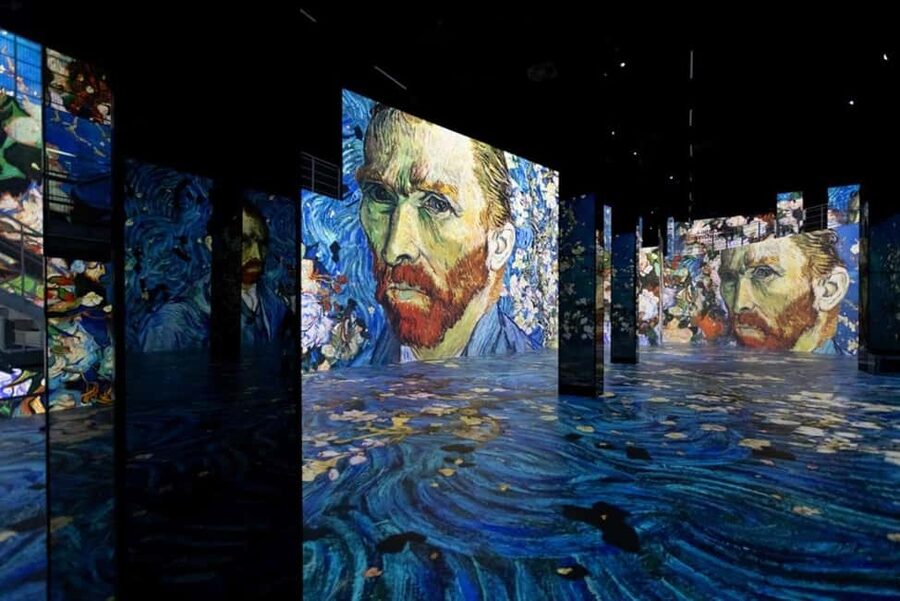
The basic ticket includes admission, free lockers, and air conditioning. A guide is not included.
You can cancel up to 24 hours before the activity for a full refund, and the reserve now, pay later option lets you hold a place without paying immediately. Those choices are helpful if your Hamburg schedule is still moving around.
The venue is wheelchair accessible. Some content is shown in its original language, so do not assume every part is translated into your preferred language.
The ticket is valid for the selected time slot and for one day. The show itself lasts approximately one hour. Pets, luggage, and large bags are not permitted.
Should you book Port des Lumières?
Book it if you want a polished visual show with giant projections, sound, and famous Dutch artists, especially when you have only an hour and already plan to be in HafenCity. The 4.7 rating from 91 reviews and several strong reactions point to a generally rewarding visit.
Think twice if your main goal is close study of original paintings or detailed instruction. The lack of a guide and the slideshow comparison are not minor details. They describe the central trade-off.
My practical call: reserve it for a rainy day, a first encounter with Vermeer, Rembrandt, and Van Gogh, or a relaxed cultural stop near Westfield Überseequartier. Choose a time that may be less crowded, leave your large bags behind, and treat the ticket as an audiovisual art event rather than a conventional museum visit.
FAQ
Where is Port des Lumières in Hamburg?
Port des Lumières is at Platz am 10. Längengrad 1 at Westfield Überseequartier in HafenCity, 20457 Hamburg. The entrance is at the corner of Osakaallee, Überseeallee, and Magdeburger Brücke.
How long does the exhibition last?
The exhibition lasts approximately one hour.
What artists are included?
The program features Vermeer, Rembrandt, Van Gogh, and other painters from the 17th to the 19th centuries. It also includes a section connecting Van Gogh to Mondrian through color, lines, and light.
Are original paintings displayed?
The experience uses 360 degree projections and surround sound to present more than 300 works. The supplied information does not describe the display of original paintings.
Is a guide included?
No. Admission is included, but a guide is not.
How much does admission cost?
The listed price is $21 per person.
Can I cancel my ticket?
Yes. You can cancel up to 24 hours in advance for a full refund.
Is the venue wheelchair accessible?
Yes. Port des Lumières is wheelchair accessible.
Can I bring a pet or large bag?
No. Pets, luggage, and large bags are not allowed. Free lockers are available.
Just added around Germany
- Ticket for The Wow Gallery Berlin★ 4.5 · 7 reviews
- Berlin’s Gallery Scene★ 5.0 · 4 reviews
- Berlin: Comedy in an Art Gallery (Mitte) – Saturday 7pm★ 5.0 · 2 reviews
- East side Gallery Tour★ 5.0 · 11 reviews
- Hamburg: 3-Day Art Exhibition & Gallery Ticket★ 4.6 · 34 reviews
- East side Gallery Tour★ 4.8 · 4 reviews
- Dresden: Ticket + Tour Gallery Old Masters★ 5.0 · 107 reviews
- Dresden: 2 day ticket for museums of the Dresden State Art Collections★ 4.7 · 54 reviews
Art Museum Tours in Germany, compared.
Dresden: Church of Our Lady Guided Tour of Gallery
Read our review →
East Side Gallery Spree Cruise in a Solar Catamaran
Read our review →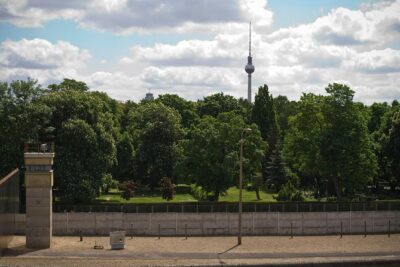
Cold War, Berlin Wall, Spies and the East Side Gallery
Read our review →
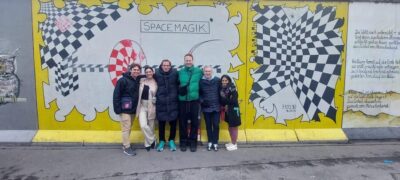
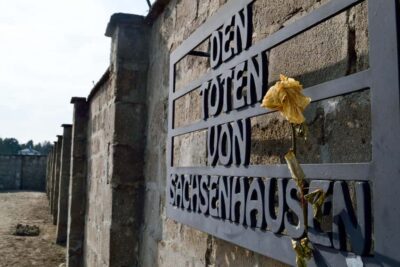
Bus Tour to Sachsenhausen, East Side Gallery, & Berlin Story Bunker
Read our review →Cold War, Berlin Wall, Spies and the East Side Gallery
Read our review →
Browse the lists this tour appears in