
REVIEW · SPAIN
Madrid: Private Prado Museum Masterpieces Tour
Madrid’s Prado Museum comes into focus through two unforgettable Spanish paintings: Velazquez’s Las Meninas and Goya’s The Third of May 1808. This private tour links those works to Bosch, Raphael, El Greco, Rubens, Van der Weyden, and Dürer, so you see more than isolated famous pictures. You see how European art changed across several centuries.
I like the private format, which gives you room to ask questions instead of following a large crowd. I also like the focused two-hour plan, especially with a guide such as Alicia, who has been praised for using chronology and comparisons to make complex art easier to follow. The main limitation is time: the Prado is huge, so this is a highlights tour, not a full museum visit.
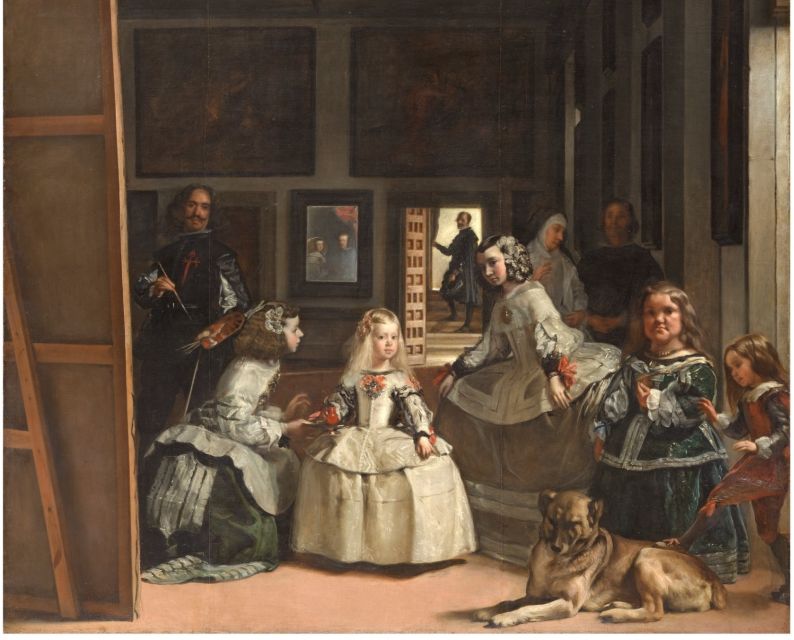
- Las Meninas receives the attention it deserves, with its royal family scene and Velazquez’s unusual appearance in the painting.
- Goya’s Third of May 1808 brings Spanish history into sharp focus, showing the human cost of Napoleon’s occupation.
- A private art historian guide keeps the visit conversational, with time for questions and discussion.
- The route covers European art from the 12th through the 19th century, not just Spanish painting.
- Skip-the-line museum entry saves time, a useful benefit in a busy Madrid sightseeing schedule.
- The tour is offered in four languages and is wheelchair accessible.
Starting Near Goya’s Statue
Your meeting point is near the statue of Goya, in front of the museum’s ticket sales area. This is a practical place to begin because the Prado collection and the tour’s main subject are already connected before you enter: Francisco de Goya is one of the central figures you will study inside.
The guide picks you up at the meeting point and handles the museum entrance. The experience includes admission and skip-the-line entry, so you do not need to arrange a separate museum ticket for the tour. Bring your passport or ID card, since identification is required.
The tour lasts two hours. That sounds generous until you remember the size of the Prado and the number of artists included. Your guide must make choices, and that is part of the value. Instead of wandering through room after room and trying to decide which paintings matter most, you get a planned route through major works.
The tour ends back at the meeting point. Meals and drinks are not included, though this is not a concern for most people because the visit is short and tightly focused.
A Private Route Through European Art
The Prado holds European Western art from the 12th to the 19th century, with a particularly important collection of Spanish painting. Much of this collection comes from the former Spanish Royal Collection, so the museum is not simply a collection of popular paintings gathered at random. It reflects centuries of royal taste, patronage, and collecting.
Your guide’s task is to turn that large collection into a story you can follow. The route includes Hieronymus Bosch, Raphael, El Greco, Peter Paul Rubens, Roger van der Weyden, Albrecht Dürer, Velazquez, and Goya. Each artist represents a different way of handling religious subjects, royal power, portraiture, emotion, color, or human suffering.
Alicia has been singled out for building a clear route through this material. Her method uses chronology and comparison, which is useful when you are looking at art from several periods in one visit. You might first see how a painter treats a religious scene, then notice how a later artist changes the use of space, gesture, or expression.
That approach helps you avoid the usual museum problem: seeing many excellent paintings but remembering only a few names. The guide explains the artistic ideas behind the works, not just their titles.
More masterpiece highlights tours in Spain:
- Madrid: Prado Museum Masterpieces Tour with Entry Ticket
★ 5.0 · 278 reviews - Prado Museum Masterpieces – 3 hours Full tour – Small group
★ 5.0 · 37 reviews - MNAC Masterpieces: For Art Lovers in Barcelona
★ 3.1 · 3 reviews
Bosch, Raphael, El Greco, Rubens, Van der Weyden, and Dürer
The earlier and northern European works give you the broad setting for the Spanish masters. Hieronymus Bosch is known for strange, crowded scenes filled with moral and religious meaning. His work rewards close looking, but it can also leave you wondering where to begin. A guide can point you toward the details that matter instead of letting the painting become a wall of visual noise.
Raphael offers a different experience. His work is associated with balance, order, and the ideals of the Renaissance. Looking at Raphael beside other artists helps you notice that painting is not only about subject matter. The arrangement of bodies, the use of space, and the calm control of the scene all carry meaning.
El Greco brings a more expressive style. His elongated figures and unusual treatment of form can seem startling after the more measured Renaissance works. A good explanation helps you see that the difference is not a mistake or a lack of skill. It is a deliberate artistic language.
Rubens adds movement, energy, and physical force. His paintings can feel crowded with action, making them especially useful for comparison with quieter works elsewhere in the museum. Roger van der Weyden and Dürer add still more variety, linking the Prado’s Spanish collection to wider European traditions.
You will not study each painter in equal depth during two hours. That would be impossible. Instead, these artists help frame the main story: Spain’s great painters developed within a European art world, while also creating styles that became distinctly their own.
Velazquez and the Puzzle of Las Meninas
The centerpiece for many people is Velazquez’s Las Meninas. The scene shows members of the family of King Philip IV inside the Alcázar of Madrid, along with Velazquez himself. It appears to record an ordinary moment at court, but the painting is far more complicated than a simple royal portrait.
Velazquez places himself inside the picture. He is shown working at a large canvas, while the young Margarita Teresa and her attendants occupy the center. The arrangement raises questions about who is being painted, who is looking, and where the viewer is supposed to stand.
This is where a live guide adds real value. You can look at Las Meninas alone and appreciate its skill, but a guide can draw your attention to the relationships between the figures and explain why the scene has held the attention of later artists.
The work inspired painters including Goya and Picasso. That detail gives you a useful link between the Prado’s old masters and later art. You are not simply checking off a famous painting. You are seeing a work that became a reference point for artists who wanted to rethink the act of painting itself.
A two-hour visit cannot answer every question about Las Meninas, and it should not try. The best outcome is that you leave with several clear questions and a better sense of why the painting is so important.
Goya’s The Third of May 1808
Goya’s The Third of May 1808 offers a sharp contrast. Completed in 1814, it shows the execution of Spanish citizens by Napoleon’s troops. The scene is dramatic because Goya sets the cold, organized line of soldiers against the frightened and brightly lit figures about to die.
The soldiers face away from you. Their gray uniforms and fixed formation make them look less like individual people and more like a machine. In front of them, the anonymous citizens show fear, despair, and defiance. The central figure raises his arms, creating one of the most direct images of helplessness in European painting.
A guide can help you read the painting beyond its surface drama. Goya is not presenting a grand battlefield victory. He is showing the human cost of political violence. The work feels immediate because the victims are not treated as distant historical characters. They are ordinary people caught in a brutal event.
This painting is one reason the Prado can feel different from a museum visit based only on beauty. Some works are visually pleasing. Others make you stop because they force a moral response. Goya gives the tour a darker, more modern edge.
More Prado tours and tickets:
- Madrid: Prado Museum Entry Ticket
★ 4.6 · 20,699 reviews - Madrid: Small Group of Prado Museum Tour & Optional Tapas
★ 4.6 · 2,437 reviews - Madrid: Prado Museum Guided Tour with Skip-the-Line Ticket
★ 4.5 · 2,018 reviews - Madrid: Prado Museum Guided Tour With Fast Access
★ 4.8 · 1,785 reviews
How Alicia’s Guiding Style May Help
Alicia is the guide named in the strongest feedback for this experience. Her approach has been described as clear, kind, and well organized, with explanations that use chronology and comparisons between artworks. That is especially useful at the Prado, where a short visit can easily become a blur of names and dates.
You should expect to have opportunities for questions and discussion. This matters in a private tour because your group can spend more time on the works that interest you most, within the limits of the two-hour schedule.
The guide also explains ideas in accessible terms. Art history can become heavy with specialist language, but the point of this visit is to help you see the paintings, not test you on academic vocabulary. Alicia has been praised for explaining concepts clearly even when English is not her first language.
Guide assignment may vary, so Alicia is not guaranteed for every booking. The tour is offered in English, Spanish, French, and Italian. When reserving, select the language that suits your group and check the available details.
Is Two Hours Enough at the Prado?
Two hours is enough for an intelligent introduction. It is not enough to see everything, and you should not expect it to be. The Prado’s collection is far too large for a complete visit in one sitting.
This time limit can actually help. You will not spend half your visit walking without direction or trying to read every label. The guide selects important works and supplies the connections that make them memorable.
The trade-off is that you may leave wanting more. That is a good reason to plan a return visit if you already know the museum or have a special interest in one painter. For a first visit, the private tour gives you a firm foundation. You can later return on your own to explore works that received only a brief look.
The private format also changes the pace. You are not part of a large group, and the guide can respond to your questions. Families and mixed-interest groups may find this particularly useful because one person can ask about technique while another asks about Spanish history.
What the $215 Price Means
At $215 per person, this is not the cheapest way to enter the Prado. The price includes museum admission and a private official art historian guide, so you are paying for personal attention as well as the ticket.
The value depends on how you like to visit museums. If you are happy to wander alone, read labels, and research the major works later, a standard museum ticket may suit you better. If you want someone to choose the essential paintings and explain their connections in real time, the private format can justify the higher cost.
The price makes the most sense for a small group that wants a shared introduction. You avoid paying for a separate guide for each person, and the group can ask questions suited to its own interests. It is also useful if your Madrid schedule is tight and you want to make the two hours count.
The tour does not include food or drinks, but that is a minor factor for a two-hour museum visit. The more important question is whether you want an art lesson or simply entry to the galleries.
Who Will Get the Most From This Visit?
I would recommend this experience to first-time Prado visitors who want a clear route through the museum’s major works. It is also a good match for families with older children, couples, and friends who do not all have the same level of art knowledge.
You will get the most from it if you enjoy asking questions. The private group setting is built for conversation, and the guide can explain why a work matters instead of giving only a short label-style description.
The tour also suits people who already know some of the Prado. A repeat visitor may have seen Las Meninas or Goya’s paintings before but still benefit from a fresh explanation and a comparison with Bosch, Raphael, Rubens, or El Greco.
I would hesitate to recommend it to someone who wants a slow, exhaustive museum day. Two hours will not cover every gallery, and the route centers on selected masterpieces. You may need a separate visit if your main goal is a full survey of the collection.
The museum is wheelchair accessible, which makes the tour workable for visitors who need an accessible setting. Specific route details are not provided, so check the arrangements when booking if your group has particular mobility needs.
Practical Details Before You Book
The meeting point is near the Goya statue in front of the museum ticket sales area. Allow enough time to reach that spot, since the tour begins there and the guide will pick you up.
Bring a passport or ID card. Children under 18 enter free with proof of age, and children younger than nine also enter free, though a ticket should still be selected for them during reservation so they can access the museum.
Cancellation is free up to 24 hours before the tour for a full refund. You can also reserve now and pay later, which helps if your Madrid schedule is still changing.
Starting times depend on availability. The tour runs for two hours and ends at the same meeting point. Check the available time before booking, then leave yourself enough room for the rest of your day because the experience ends back at the museum.
Should You Book the Prado Masterpieces Tour?
Book it if you want the Prado’s major paintings explained in a logical order, with a private guide and skip-the-line entry. The strongest reasons are the focus on Las Meninas and The Third of May 1808, the range of European artists, and the chance to ask questions throughout the visit.
The $215 price is reasonable for a private art historian tour, but not if you only need basic admission. Choose it for understanding, context, and a carefully selected route. Skip it if you prefer to explore every gallery at your own pace.
For most first-time visitors with only a few hours, this is a sensible way to meet the Prado. You will not see the whole museum, but you will leave with a clearer grasp of why Velazquez and Goya matter, and why the Prado deserves more than a quick walk past its famous paintings.
FAQ
How long does the Prado Museum tour last?
The tour lasts two hours.
What is included in the price?
The price includes entrance to the Prado Museum and a local official art historian guide.
What languages are available?
The tour is offered in Spanish, English, French, and Italian.
Is this a private tour?
Yes. The experience is arranged for a private group.
Where does the tour begin?
The guide meets you near the statue of Goya, in front of the museum’s ticket sales area.
Where does the tour end?
The activity ends back at the meeting point.
Is the Prado Museum entrance line skipped?
Yes. Skip-the-line entry is included.
Do children receive free admission?
Visitors under 18 enter free with proof of age. Children younger than nine also enter free, but you should still select a ticket for them during reservation to enable access.
Just added around Spain
- Foko Immersive Gallery Ticket★ 5.0 · 14 reviews
- Malaga Tour with VR Stops: Alcazaba, Roman Theatre, Picasso &more★ 5.0 · 4 reviews
- Visit the Picasso Museum with an Accredited Guide★ 4.0 · 10 reviews
- Torremolinos with Picasso Clues Self Guided Treasure Hunt★ 5.0 · 2 reviews
- Malaga Private Tour: Alcazaba, Market, Catedral & Picasso★ 4.5 · 11 reviews
- Private visit to Picasso Museum in Malaga with official tour guide★ 4.5 · 2 reviews
- Picasso roots Private Walking Tour in Central Malaga★ 5.0 · 9 reviews
- Picasso’s Birthplace Museum Entrance Ticket★ 3.5 · 47 reviews
Art Museum Tours in Spain, compared.

Girona & Dali Museum Small Group Tour with Pick-up from Barcelona
Read our review →
Small Group of Prado Museum Tour & Optional Tapas
Read our review →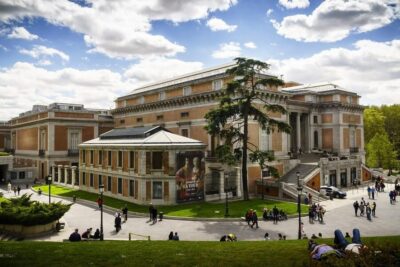
Prado Museum Guided Tour with Skip-the-Line Ticket
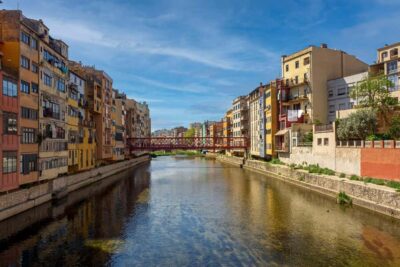
Read our review →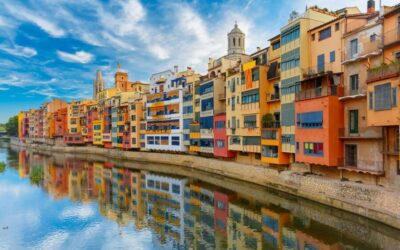
Browse the lists this tour appears in