
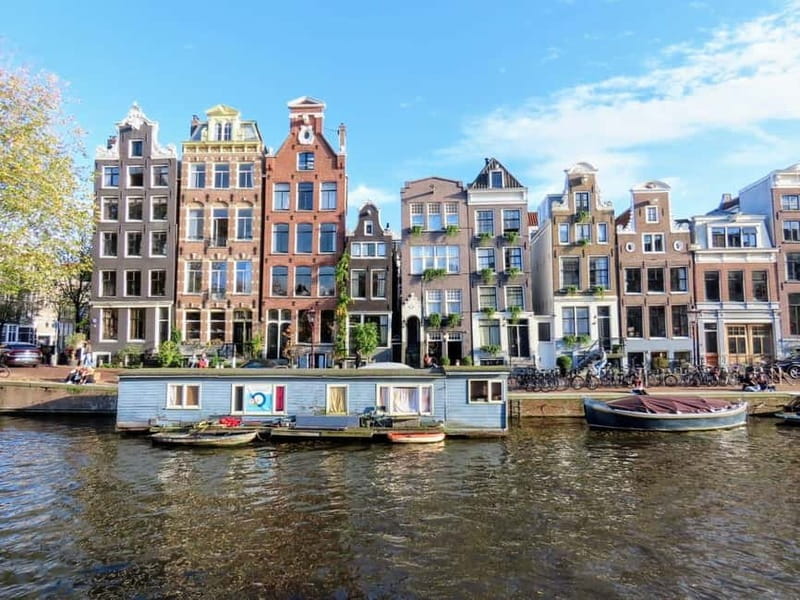
REVIEW · AMSTERDAM
Amsterdam: Rembrandt & Van Gogh walking tour
Amsterdam’s greatest paintings did not appear from nowhere. They grew out of the city’s streets, canals, churches, homes, and busy civic life. This two-hour walk connects those real places with the work of Rembrandt, Vermeer, Van Gogh, Frans Hals, and Monet.
I like the route’s focus on where art was made, not only where it hangs. I also like the way the guide links 17th-century painters with Van Gogh and the French Impressionists. The main drawback is simple: you will not enter any museum, so you should pair this walk with a later visit to the Rijksmuseum or Rembrandt House Museum.
Key points
- Rembrandt’s Amsterdam: Visit the area around Rembrandt’s former home and learn about the setting connected with The Night Watch.
- A city seen through paintings: The walk uses streets, bridges, churches, and civic buildings to explain why Amsterdam inspired so many artists.
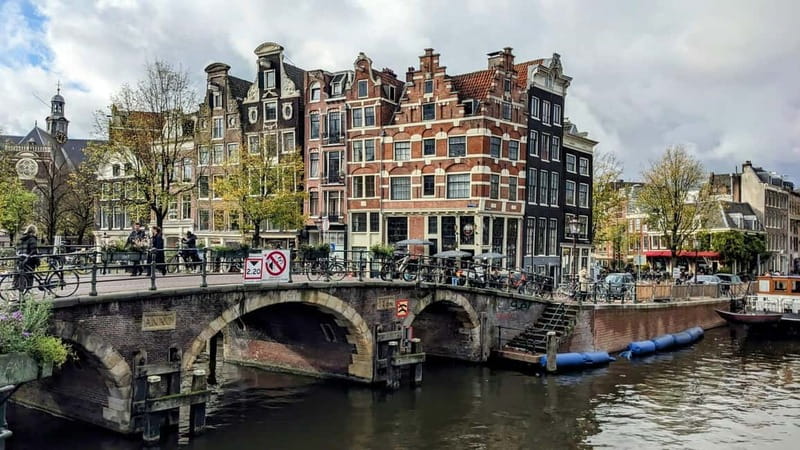
- Monet’s bridge: See Staalmeestersbrug, the Amsterdam bridge painted by Claude Monet.
- Useful before a museum visit: The guide gives you background that can make the Rijksmuseum’s paintings easier to understand.
- English-speaking local guide: Guides named Manouk and Manu have led this experience, with clear explanations aimed at people who may know little about art.
- Good value at $19: For two hours of guided art history and city sightseeing, the price is modest, though museum tickets cost extra.
Why this Amsterdam art walk works
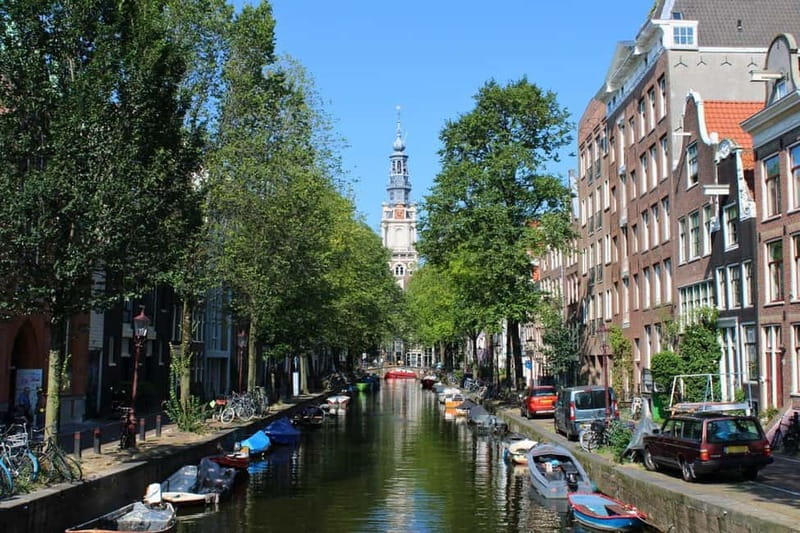
This is not a museum tour with a few minutes outside. It is an outdoor introduction to Amsterdam’s painters, using the city itself as the classroom. You move from the old harbor area toward the historic center, stopping at places tied to artists, patrons, civic life, and famous paintings.
That approach is useful because paintings can feel remote when you see them only behind glass. On this walk, you hear why Amsterdam mattered to artists and how local buildings, canals, bridges, and social changes shaped their work.
The tour also gives you a basic timeline. Rembrandt and Vermeer worked during the Dutch Golden Age. Their careful use of light, domestic interiors, portraits, and civic subjects helped define Dutch painting. Later, Van Gogh pushed color and emotion in a different direction, while Monet found his own atmospheric view of Amsterdam.
You do not need an art background. One of the guides, Manu, is praised for making the subject clear even for someone who knows little about art. That is an important point. This experience is meant to help you look more closely, not test you on dates and names.
More Art Museum Tours in Amsterdam
- Amsterdam: Rijksmuseum Entry Ticket
★ 4.7 · 29,512 reviews - Amsterdam: Van Gogh Museum Ticket and City Canal Cruise
★ 4.6 · 3,899 reviews - Amsterdam: Van Gogh Museum Ticket & Canal Cruise
★ 4.5 · 3,304 reviews
Starting beside Schreierstoren
Meet at Prins Hendrikkade 95, on the left side of Schreierstoren when you face Central Station with your back to it. The guide carries a sign marked Guidance.
This is a practical starting place near Amsterdam Central Station, so it fits well on your first day in the city. You can reach the meeting point before heading into the old center, and the opening views quickly place you in Amsterdam’s historic setting.
The walk begins near water and old defensive architecture, then moves through streets connected with the city’s civic and artistic past. Wear comfortable shoes. The tour lasts two hours, and the route includes several outdoor stops rather than one long indoor visit.
The tour is offered in English. A private group option is available, which may suit you if you want more room for questions or prefer a more personal pace.
Nieuwmarkt and the city behind the paintings
The first major stop is Nieuwmarkt Square, where the guide provides sightseeing and historical context. This area helps explain the city that supported its painters: a place of trade, civic pride, prosperous households, and public institutions.
That background matters. Amsterdam’s artists were not working only for royal courts or churches. The city’s wealthy residents, civic groups, and merchants commissioned portraits, group scenes, interiors, and views of daily life.
You may find this part of the tour especially useful if you tend to skip written museum panels. The guide can connect the city’s public life with the people who paid for art and the subjects artists chose to paint.
The stop is also a reminder that Amsterdam’s famous art grew from ordinary urban life. Canals, brick buildings, public squares, and narrow streets were not just scenery. They were part of the world artists observed and recorded.
Het Trippenhuis and the taste of the Dutch Golden Age
At Het Trippenhuis, the guide continues the story of Amsterdam’s patrons and artistic culture. The building is one of the route’s stops for sightseeing and explanation, giving you another chance to see how architecture and art fit together.
The larger lesson here is why the Netherlands produced so many major painters in one period. The walk explains how economic success, civic institutions, educated patrons, and a strong market for paintings created opportunities for artists.
This does not mean every artist became wealthy or secure. It does mean that painting had an unusually broad audience. Art could appear in homes, public buildings, and civic settings, not only in palaces.
You will likely get more from this stop if you keep asking one question: who was the painting for? That question helps explain why Dutch art often focuses on portraits, rooms, objects, work, celebrations, and city life.
More Van Gogh Museum tickets:
- Van Gogh Museum Amsterdam Exclusive Tour w/ Reserved Entry
★ 5.0 · 1,760 reviews - Van Gogh Museum Tour Reserved Entry Semi Private
★ 5.0 · 1,437 reviews - Amsterdam: Van Gogh Museum Entry Ticket and Guided Tour
★ 4.9 · 681 reviews - Combo Ticket: Van Gogh Museum Ticket and 1-Hour Canal Cruise
★ 4.0 · 676 reviews
Zuiderkerk and Amsterdam’s changing light
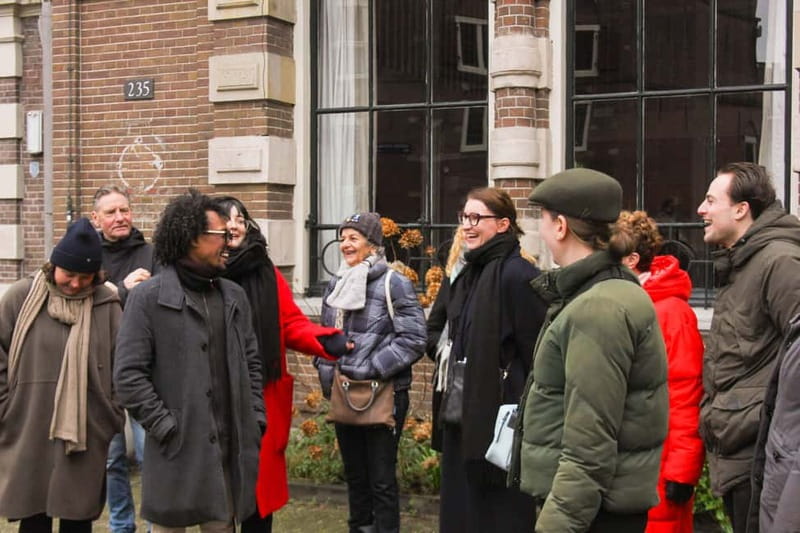
The stop at Zuiderkerk adds a religious and architectural setting to the walk. The church helps you picture the physical Amsterdam in which the painters lived and worked.
Here, the guide can connect buildings and light with the way artists arranged a scene. Dutch painters became famous for carefully observed interiors and for making ordinary spaces feel important. The city’s architecture, narrow streets, water, and changing daylight gave them plenty to study.
You should not expect an extended church visit or a museum-style examination of a painting here. This is an outdoor sightseeing stop with a short explanation. Its value comes from seeing the city’s forms directly, then carrying that visual awareness into the museum later.
If you visit the Rijksmuseum after the walk, pay attention to how painters handle windows, reflections, brick, water, and shadow. The tour is designed to give you that kind of viewing habit.
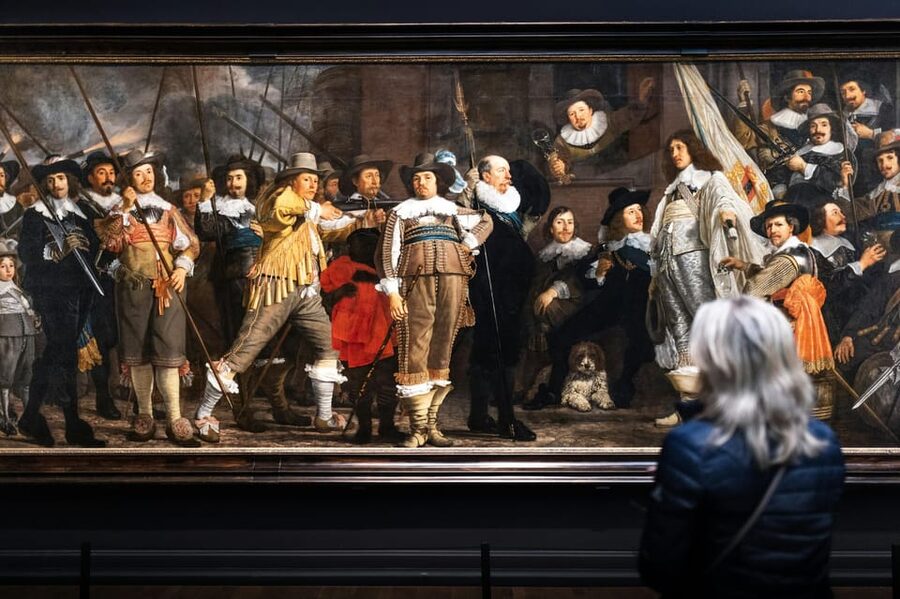
Rembrandt’s former home and The Night Watch
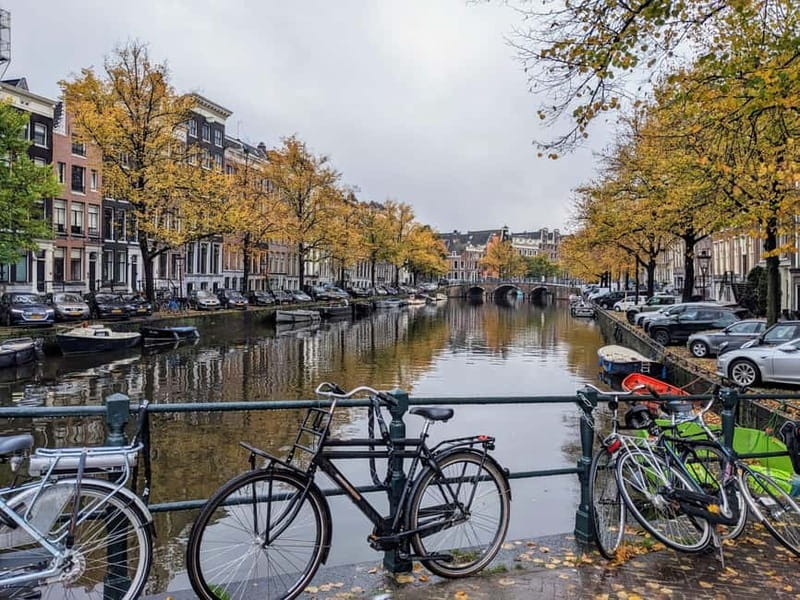
The route then reaches the Rembrandt House Museum, though entrance is not included and the tour does not go inside. This distinction matters. You see the location and hear the story, but you need a separate ticket if you want to explore the museum itself.
The stop is closely tied to Rembrandt’s life in Amsterdam and to the setting in which he created some of his best-known work. The guide discusses The Night Watch and the place where the painting was created, helping you connect the famous image with a real Amsterdam address.
The Night Watch is often treated as a grand museum object. On this walk, you get a sense of its urban context and the working world around it. That can make the painting feel less like an isolated masterpiece and more like a product of a particular city, time, commission, and group of people.
I would not treat this stop as a replacement for the Rembrandt House Museum. If Rembrandt is your main reason for booking, plan extra time for the museum on another visit. The walk gives you context and location; the museum gives you interiors and objects.
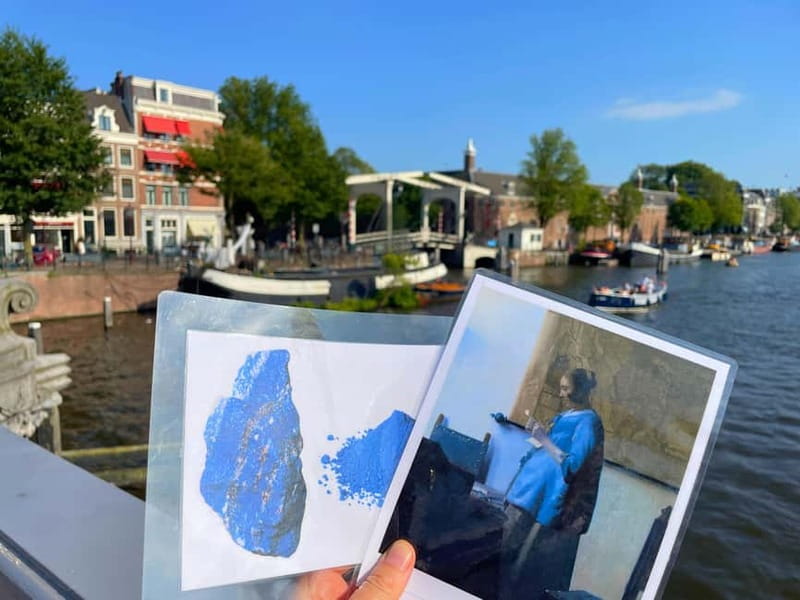
Staalmeestersbrug, the bridge Monet painted
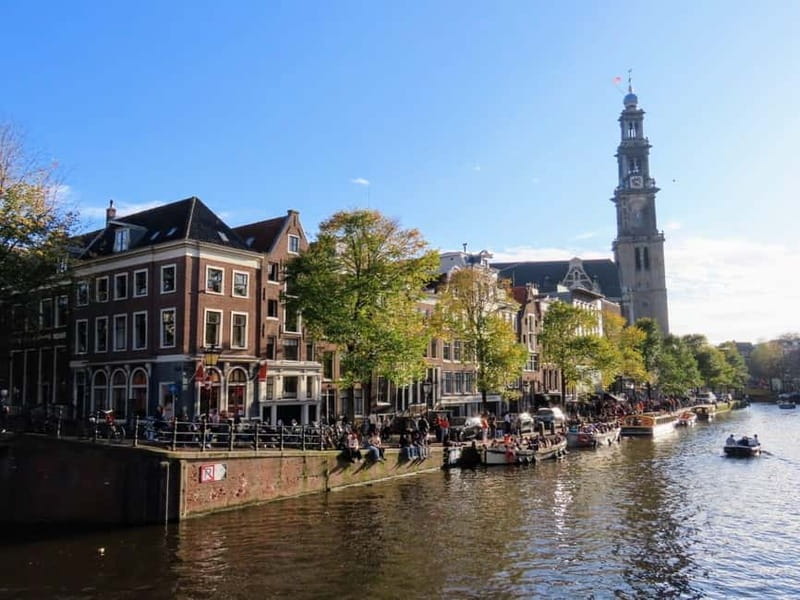
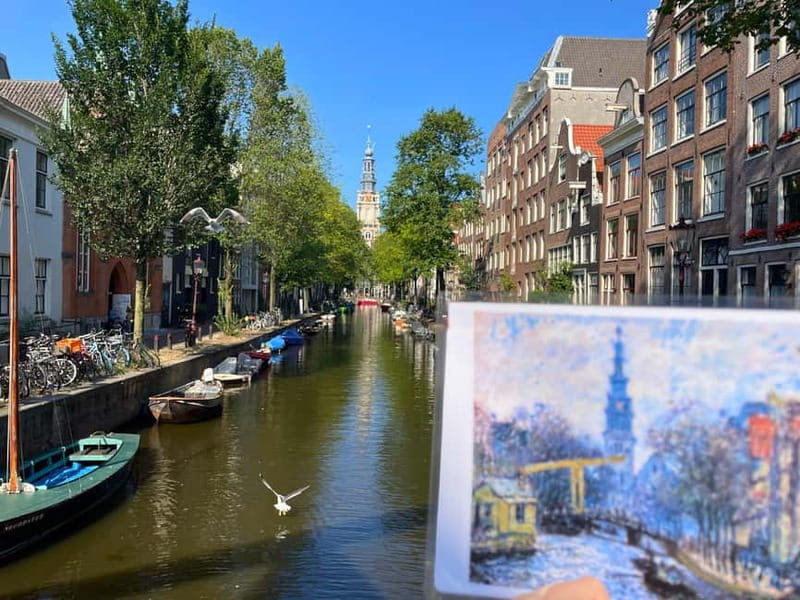
One of the most distinctive stops is Staalmeestersbrug, a bridge associated with Claude Monet’s Amsterdam painting. This is a fine example of the tour’s wider point: Amsterdam attracted not only Dutch masters but also artists from beyond the Netherlands.
The bridge gives you a direct way to think about composition. Look at the water, the bridge, the surrounding buildings, and the view available from street level. Then consider how a painter selects, alters, and frames that scene.
This is also one of the best photo opportunities on the route. You can take your own picture from the area and compare it with Monet’s interpretation. The comparison will not turn you into an art historian, but it can show you how much an artist’s choice of angle and atmosphere changes a familiar place.
The stop also connects the Dutch Golden Age with the French Impressionists. That link is one of the most useful parts of the tour because it shows that Amsterdam’s artistic importance did not end with Rembrandt and Vermeer.
Oudemanhuispoort and the quieter side of the route
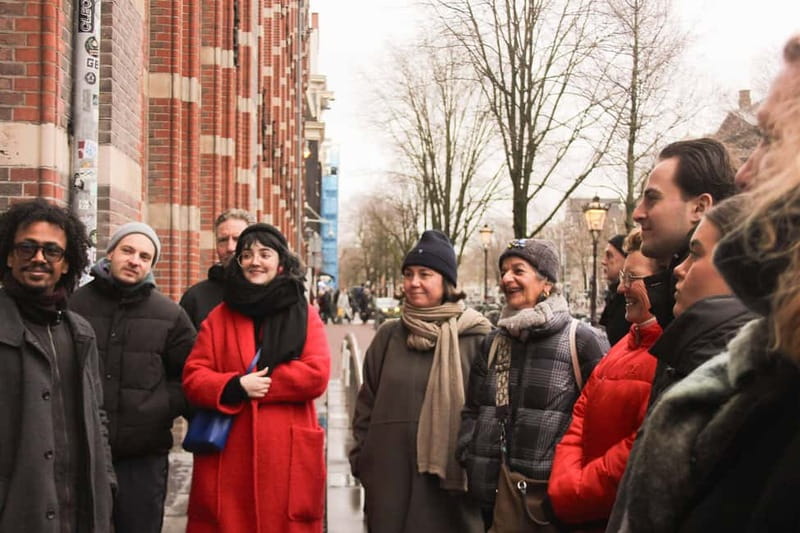
At Oudemanhuispoort, the guide continues the walking tour without a museum entrance. This portion gives the route a more local, passageway-like character and keeps the focus on how art and city life overlap.
You will hear more about the painters and the ideas behind well-known works. The guide’s job here is to make origins and meaning easier to follow, especially if you do not normally spend much time with art.
This section may feel less dramatic than the Rembrandt and Monet stops. That is not a flaw, but you should know that the experience is a connected walk, not a series of major attractions. Some locations serve as historical links rather than headline sights.
The trade-off is worthwhile for many people. You get a clearer picture of Amsterdam’s old center, and the route does not depend only on famous names. It shows how art history is tied to streets and buildings that are still part of the city.
Doelen and the final walk to Blauwbrug
The route includes the Tivoli Doelen Amsterdam Hotel, where the guide continues the art and city story. This stop is connected with the wider area around the Amstel and the city’s long relationship with painters and public views.
The tour finishes at Blauwbrug, giving you a final waterside setting. This is a good place to pause and think about the contrast between the artists discussed. Rembrandt’s dramatic human scenes, Vermeer’s calm interiors, Van Gogh’s forceful color, and Monet’s shifting light all come from different artistic aims, yet Amsterdam provides a common thread.
The supplied meeting information says the activity ends back at the meeting point, while the route details name Blauwbrug as the finish. Because those descriptions differ, confirm the final drop-off point when you book. Either way, the route stays within central Amsterdam and is designed as a walking experience.
What $19 gets you
At $19 per person, this is a low-cost way to add structure to your sightseeing. You are paying for two hours with a local English-speaking guide, not for admission to a museum or a large attraction.
That makes the value strongest for three types of visitors:
- You are visiting Amsterdam for the first time and want a useful introduction to the old center.
- You plan to visit the Rijksmuseum and want basic context before seeing the paintings.
- You enjoy art but prefer places, stories, and city views to a long indoor lecture.
The price is less attractive if you want to see original works during the experience. You will need separate entrance tickets for museums, and none are visited as part of this walk.
Still, the modest fee makes sense as an orientation. A guide can point out connections you might miss while walking alone, and the tour gives you a framework for a later museum visit. Reserve now and pay later is available, and cancellation is free up to 24 hours before the activity.
Who should book this walk
I would recommend it to curious beginners, museum fans, and anyone who wants more meaning from Amsterdam’s historic center. You do not need to recognize every painter before you arrive. The guide explains the main ideas in plain English and puts the art into an urban setting.
It also suits couples, families with older children, and private groups looking for a focused two-hour activity. The route includes several sightseeing stops, so you can enjoy the city even when a painting discussion is not your main interest.
I would think twice if you want a slow museum visit, a long examination of original works, or a tour devoted only to Van Gogh. Van Gogh is part of the story, but the route covers several Dutch painters and the French Impressionists. The experience is about connections, not one artist alone.
The walk is listed as wheelchair accessible, but the information provided does not describe the exact surface or conditions at every stop. If you need specific access details, ask the provider before booking.
Final call: book it before or after the Rijksmuseum
Book this tour if you want Amsterdam’s art to make more sense before you enter the Rijksmuseum. The guide’s explanations can help you notice why a room, bridge, church, or city view mattered to a painter.
For the best use of your time, schedule the walk early in your stay and visit the Rijksmuseum afterward. Keep the Rembrandt House Museum as a separate option if you want a closer look at his home and working world.
At $19, this is a sensible, compact introduction rather than a complete art lesson. The strongest parts are the real locations, the clear explanations associated with guides such as Manouk and Manu, and the chance to see Amsterdam through more than one artistic period. If that sounds like your kind of sightseeing, it is an easy tour to add.
FAQ
How long does the Amsterdam Rembrandt and Van Gogh walking tour last?
The tour lasts two hours. Starting times vary, so check availability when booking.
What language is the tour offered in?
The live tour guide speaks English, and the activity information lists English as the available language.
Where does the tour start?
Meet at Prins Hendrikkade 95, on the left side of Schreierstoren when facing Central Station with your back to it. The guide holds a sign marked Guidance.
Where does the tour finish?
The route details list Blauwbrug as the finish. The meeting information also says the activity ends back at the meeting point, so confirm the final stopping place with the provider.
Does the tour include museum entrance?
No. Museum entrance tickets are not included, and the museums are not visited during the walk.
Is the Rembrandt House Museum included?
No. The route stops at the Rembrandt House Museum for guided sightseeing, but admission is not included.
Is the tour wheelchair accessible?
The activity is listed as wheelchair accessible. For detailed information about conditions along the route, contact the provider before booking.
Is a private group available?
Yes. A private group option is available.
Can I cancel for a full refund?
Yes. You can cancel up to 24 hours in advance for a full refund. Reserve now and pay later is also available.
More Art Walks in Amsterdam
- Van Gogh Museum, Rijks Museum & Walking Tour – Private Day Tour
★ 5.0 · 17 reviews - Rembrandt & Van Gogh Amsterdam walking experience
★ 5.0 · 4 reviews - Uffizi & Accademia Timed Entry: Small Group Duomo Walking Tour
★ 4.5 · 3,630 reviews - Paris in a Day: Louvre or Orsay, Eiffel Tower, City Walk & Cruise
★ 5.0 · 1,956 reviews
Just added around Amsterdam
- Small Group Tour to NP Hoge Veluwe (van Gogh) from Amsterdam★ 5.0 · 19 reviews
- Van Gogh and Rembrandt Immersive Experience Entry Amsterdam★ 4.0 · 2 reviews
- Van Gogh Museum Guided Visit Including Tickets★ 4.5 · 9 reviews
- Van Gogh Museum Tour excluding Entrance Tickets★ 5.0 · 16 reviews
- Van Gogh Museum with Audio Guide★ 3.5 · 80 reviews
- Van Gogh Museum, Small Group Tour (incl timed entry tickets)★ 5.0 · 5 reviews
- Van Gogh Museum Entry Ticket and Guided Tour★ 4.5 · 48 reviews
- Van Gogh Museum, Rijks Museum & Walking Tour – Private Day Tour★ 5.0 · 17 reviews
Art Museum Tours in Amsterdam, compared.

Van Gogh Museum Amsterdam Exclusive Tour w/ Reserved Entry
Read our review →
Rijksmuseum Amsterdam Small-Group Tour with Private Upgrade
Read our review →
Van Gogh Museum Tour Reserved Entry Semi Private
Read our review →
Rijksmuseum Entry Ticket and Canal Cruise Combo
Read our review →Browse the lists this tour appears in