REVIEW · PARIS
Louvre Museum Private Guided Tour | Expert Guide | Reserved Entry
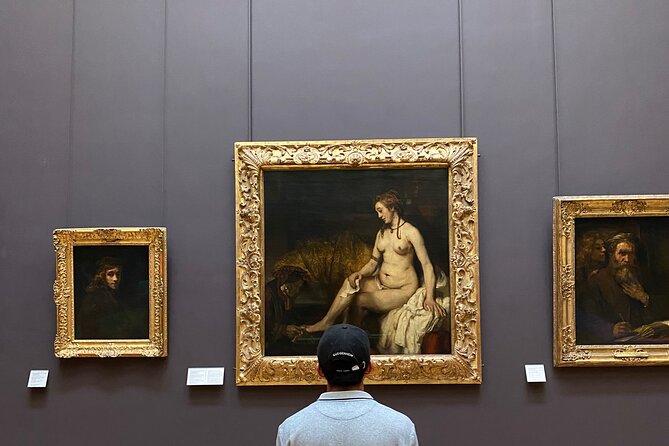
The best part of this private Louvre tour is the freedom to ask questions without keeping pace with a large group. Your art historian can focus on the works you care about, from Renaissance painting to ancient Egyptian objects, then adjust the route as your interests become clear.
I like the reserved entry time, which gives your visit a clear start, and the fact that your ticket lets you stay inside after the guided portion ends. The main caution is cost: at $358.86 per person, this is a serious splurge, and one troubling no-show complaint means you should pay close attention to pre-tour contact from the guide.
Key points to know before booking
- Meet at the Arc de Triomphe du Carrousel: The starting point is outside the Louvre near the Pyramid, not at a hotel or transit pickup point.
- Three hours with a private guide: Your party gets its own art historian, with a route tailored to your questions and pace.
- Reserved entry is not security-free entry: Every person still passes through Louvre security.
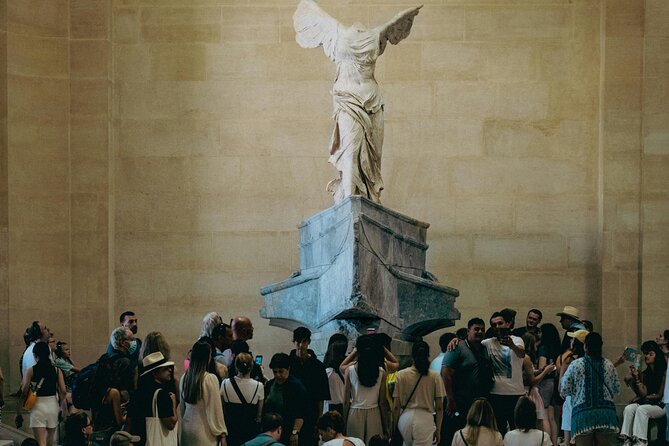
- Classic works are on the route: Expect the Mona Lisa, Venus de Milo, Winged Victory of Samothrace, Egyptian artifacts, and Renaissance art.
- Your ticket lasts beyond the tour: After the guided visit, you may continue exploring the museum independently.
- Pack light and carry identification: Bags over 55 x 35 x 20 centimeters are not allowed, and an up-to-date passport or ID is required.
What $358.86 buys you at the Louvre
At $358.86 per person, this tour sits firmly in the premium category. The price makes more sense for a small party that wants private attention than for one person simply looking for a way inside the museum.
You are paying for three things: a reserved admission time, a private art historian, and the ability to shape the conversation around your group. A standard visit can leave you staring at a floor plan, trying to choose between ancient sculpture, grand French painting, Egyptian galleries, and the famous Leonardo room. A private guide removes much of that guesswork.
The value rises if your group includes people with different interests. One person can ask about Renaissance technique, another can focus on mythology, and someone else can ask about the building itself. You are not tied to a fixed script designed for a crowd.
The value falls if you mainly want a quick look at the Mona Lisa and a few famous sculptures. Three hours is a long time for a highlights route, and you may be paying for personal guidance you do not really need. Group discounts are listed, but the available information does not state how large a group must be or how much the discount saves, so check the final price before assuming the rate will drop sharply.
The booking pattern also matters. This experience is booked, on average, 91 days ahead. That suggests you should not wait until the last minute if your Paris dates are fixed, especially if you want a particular morning or afternoon time.
More Art Museum Tours in Paris
- Paris: Louvre Museum Timed-Entrance Ticket
★ 4.6 · 71,977 reviews - Paris: Orsay Museum Entry Ticket
★ 4.7 · 25,647 reviews - Paris: Louvre Guided Tour with Reserved Access & Boat Cruise
★ 4.3 · 16,353 reviews
Meeting your guide at the Louvre Pyramid
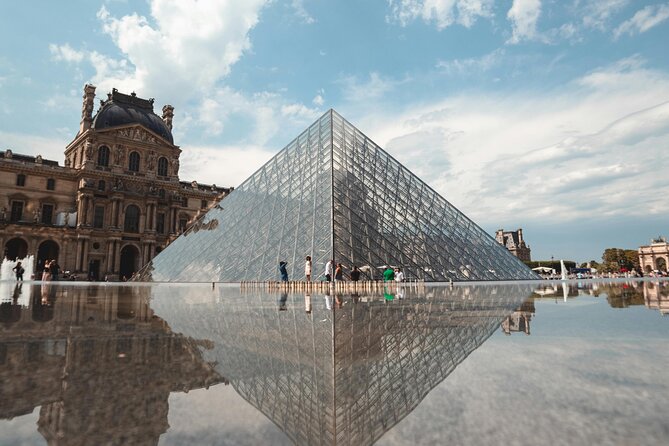
The meeting point is the Louvre Pyramid area, specifically outside near the Arc de Triomphe du Carrousel. The guide is scheduled to wait there, and the activity ends back at the meeting point.
This sounds simple, but the Louvre grounds have several monuments, entrances, and open spaces. I would arrive early and use the exact meeting instructions rather than wandering toward the first pyramid you see. Keep your phone on and make sure the number on your booking is correct, since the guide is expected to contact you before the tour.
There is no hotel pickup or drop-off. You need to reach the museum on your own, though the meeting point is near public transportation. Build in extra time for Paris traffic, finding the correct approach, and gathering your group before the start.
The no-show concern deserves plain treatment. One serious account describes a family waiting at the designated meeting area and says the guide never appeared, calling the experience a scam. That is a major warning, even though the overall rating is listed as 4 from four reviews and the available feedback is very limited. Confirm that your phone number is correct, watch for the guide’s message, and keep your booking confirmation handy. If anything looks unclear on the day, contact the booking platform promptly rather than assuming the guide is simply running late.
Timed entry helps, but security still takes time
Reserved entry is useful at a museum as large and popular as the Louvre. It gives your visit a scheduled admission slot instead of leaving your entire day dependent on a walk-up line.
Still, reserved entry does not mean you walk straight into the galleries. All visitors must pass through security. That makes arriving early especially sensible, since a late arrival can put pressure on the start of your private appointment.
Bring an up-to-date passport or ID. The instructions specifically require it, so do not treat identification as optional. You also need to manage your bags carefully. Large bags and suitcases cannot enter, and anything over 55 x 35 x 20 centimeters is not permitted in the museum’s welcome area or exhibition rooms.
Smaller belongings can go into free lockers. You must collect everything the same day, and the museum does not accept responsibility for valuable items left there. I would keep passports, cameras, phones, and other important items with you whenever practical.
A short orientation before the galleries
The first stop is listed as 15 minutes at the Louvre Pyramid meeting area. In practice, this is your chance to find the guide, confirm the booking, and get the visit started before entering the museum.
That short opening matters because the Louvre can feel confusing even when you have visited before. Your guide should explain the basic plan and help set expectations for the three-hour route. This is also the right moment to say what matters most to you.
If you want the famous works, say so. If you have already seen the Mona Lisa and would rather spend time with Egyptian objects or Renaissance paintings, say that instead. The main advantage of a private tour is not simply having a person talk at you. It is being able to make the time fit your interests.
No guide name is supplied for this experience, so you cannot choose a particular art historian in advance from the information available. The guide is described as an expert art historian, but the exact person may vary.
More Louvre tours and timed tickets:
- Louvre Museum Masterpieces Guided Tour with Access
★ 4.5 · 12,023 reviews - Paris: Louvre Overview, Exploration tour and Reserved Entry
★ 4.1 · 10,145 reviews - Paris: Louvre Museum Entry Ticket With Host and River Cruise
★ 4.6 · 9,926 reviews - Mona Lisa & Louvre Masterpieces Tour with Reserved Access
★ 4.6 · 6,812 reviews
Two hours and 45 minutes among the Louvre’s major works
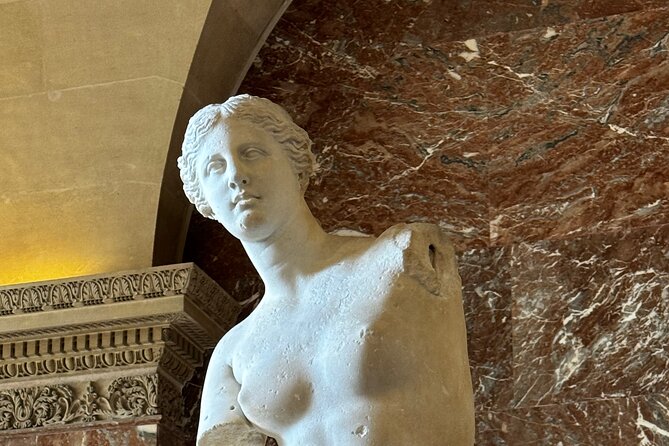
The main museum visit lasts about two hours and 45 minutes. That is enough time for a focused highlights route, but not enough to see the Louvre in full. The museum is too large for that. A good guide should help you accept this early and spend your time on a clear selection of rooms.
The route includes three major crowd magnets:
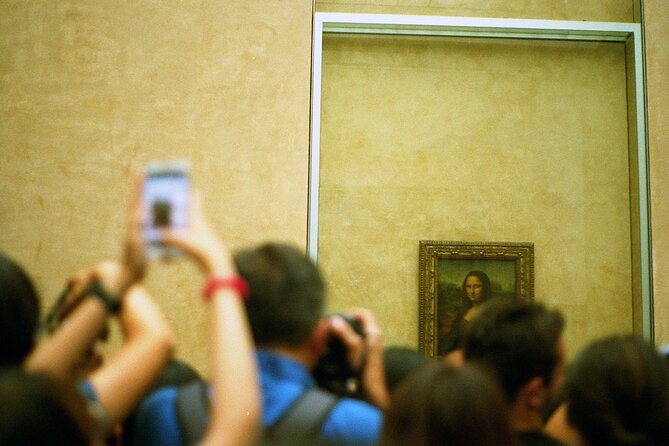
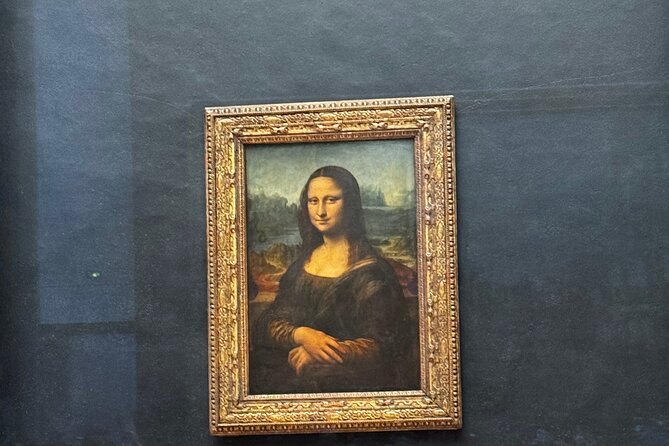
The Mona Lisa is the work most people expect to see. Your guide can give the painting context and explain why it has become such a powerful symbol of the museum. Be prepared for a busy room and a short viewing experience compared with the quieter attention you may receive elsewhere.
The Venus de Milo gives you a chance to look at one of the best-known sculptures in the collection. A guide can help you notice posture, balance, missing arms, and the way later generations shaped the statue’s fame.
The Winged Victory of Samothrace is one of the Louvre’s dramatic sights. Its placement and movement make it memorable before you even study the details. This is the sort of work that benefits from a guide who can explain what you are seeing without turning the stop into a rushed photo break.
The tour also covers ancient Egyptian artifacts and Renaissance masterpieces. That broader range is important. The Louvre is not only a place for three famous names, and a private visit should give you a sense of the collection across periods and cultures.
The description also promises legendary halls and lesser-known corners. Since no fixed room-by-room route is provided, you should treat that as a flexible aim rather than a guarantee of specific galleries. Temporary exhibitions are not included, so the admission covers the main exhibits only.
Why a private guide can change the museum visit
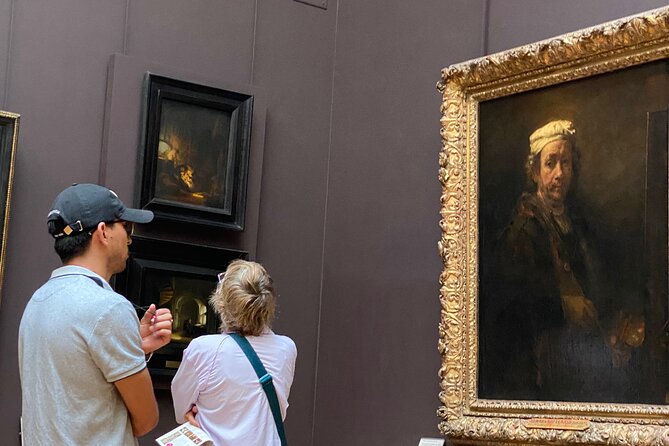
A label may tell you an artist, date, material, and title. It rarely explains why a work mattered, how it was made, or what to look for first. That is where the art historian can earn the premium.
You can ask direct questions. Why is this painting important? What makes this sculpture different from another nearby work? Why is one gallery arranged this way? The guide can also adjust the level of detail. You might want a straightforward explanation, or you might prefer a longer discussion of style, patronage, religion, or politics.
The private format is also useful for families and mixed-interest groups. Children can ask basic questions without feeling out of place, while an art-focused adult can request more detail. Since only your booking participates, you are not waiting for strangers to take photographs or catching up with a group that has stopped in another room.
There are limits. A private guide cannot make the museum quiet, remove security, or guarantee a clear view of every famous object. Some rooms may have speaking restrictions, and your guide will explain those rules beforehand. In those spaces, you may need to listen quietly or move on without a long talk.
Free time after the guided portion
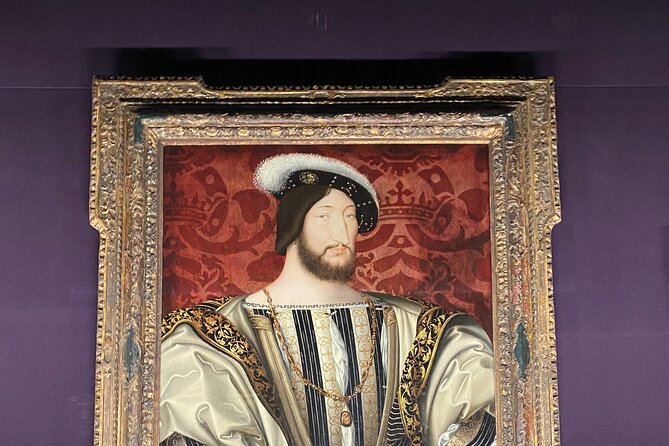
One of the better practical features is that your ticket allows you to remain inside after the guided tour ends. You do not have to leave when the three-hour service is over.
This gives you a useful second phase. During the tour, let the guide handle the large decisions and major explanations. Afterward, return to a room that caught your attention, revisit a favorite piece, or explore at your own pace.
The information provided does not specify how long you may remain after the tour, so do not assume unlimited access beyond the museum’s normal rules and closing time. It does confirm that you may stay after the guided portion, which is a valuable benefit for anyone who dislikes being rushed.
You may take photographs and videos in the permanent collections for personal use. Selfie sticks, flash, and extra lighting are not allowed. Some temporary exhibitions may ban photography of selected objects, but those exhibitions are not part of the included admission anyway.
Timing, comfort, and what to carry
Three hours inside a major museum can be tiring. Wear comfortable shoes and carry only what you need. The bag limit is strict, and the locker system is intended for smaller items rather than suitcases.
Food and drinks are not included. Plan accordingly, especially if you are arranging this around lunch or a long day of sightseeing. The museum visit itself is the central activity, so do not count on a meal being folded into the schedule.
The activity is near public transportation, and most people can participate. No special physical restrictions are listed, but the Louvre is a large museum with substantial walking and standing. If someone in your group needs specific assistance, ask the operator before booking rather than relying on general participation language.
The cancellation terms are reasonable for a fixed museum booking. You receive a full refund if you cancel at least 24 hours before the local start time. Cancellations or changes inside that window are not refunded or accepted.
Who should book this Louvre experience
I would consider this tour for a first-time Paris visitor who wants a strong introduction without spending hours planning a museum route. It also suits a family, couple, or group that values privacy and wants to ask questions freely.
It is a good match for you if:
- You want the Mona Lisa and other major works explained in context.
- You prefer a private route to a large group tour.
- You have several people sharing the cost.
- You want to continue exploring after the guide leaves.
- You are willing to pay more for personal attention.
I would look elsewhere if your budget is tight, if you prefer wandering alone, or if temporary exhibitions are your main reason for visiting. Those exhibitions are not included, and the price is hard to justify for a brief highlights stop with no interest in guided interpretation.
The reliability issue also matters. Because one serious no-show account is attached to this experience and only four ratings are available, I would not book it casually for the only open morning of an important Paris trip. Confirm every detail, respond to the guide’s contact, and keep enough flexibility to seek help if the meeting fails.
Should you book this private Louvre tour?
Book it if you want a focused, personal introduction to the Louvre and can accept the premium price. The reserved entry, private art historian, classic masterpieces, and post-tour museum access form a useful package, especially for a small group sharing the expense.
Skip it if you mainly need admission, want a temporary exhibition, or would rather explore alone with an audio guide. The tour promises a better conversation than a standard visit, but the high price and unresolved no-show concern mean you should confirm the operator carefully before committing.
FAQ
Where does the Louvre tour begin?
It begins outside the Louvre at the Arc de Triomphe du Carrousel near the Louvre Pyramid in Paris.
Where does the activity end?
The activity ends back at the meeting point.
How long does the private Louvre tour last?
The experience lasts about three hours. The museum portion is scheduled for about two hours and 45 minutes, with a 15-minute meeting and orientation period.
Is museum entry included?
Yes. Timed reserved entry tickets and admission to the main exhibits are included.
Are temporary exhibitions included?
No. Additional temporary exhibitions are not included in the admission.
Can I stay in the Louvre after the guided tour?
Yes. Your ticket allows you to remain in the museum and continue exploring after the guided portion ends.
Do I need identification?
Yes. You should bring an up-to-date passport or ID.
Can I bring a large suitcase?
No. Large bags and suitcases are not allowed. Items exceeding 55 x 35 x 20 centimeters cannot enter the museum, though free lockers are available for smaller items.
Just added around Paris
- Paris Day Tour with Eiffel Tower, Louvre and Cruise Max 6 People★ 4.5 · 29 reviews
- d’Orsay Museum Paris entry ticket★ 3.5 · 31 reviews
- visiting the masterpieces of impressionists at Orsay museum★ 5.0 · 7 reviews
- PRIVATE Louvre Wonders & Hidden Treasures Visit★ 5.0 · 65 reviews
- Louvre Museum with private guide★ 5.0 · 3 reviews
- Louvre Wheelchair-Accessible Private Tour – Stress-Free & Easy★ 5.0 · 16 reviews
- LOUVRE, Small Group Guided Tour in French (TOP SALES)★ 4.5 · 9 reviews
- Musée d’Orsay Highlights Tour with Gourmet Lunch★ 4.5 · 11 reviews
Art Museum Tours in Paris, compared.

Louvre Guided Tour with Reserved Access & Boat Cruise
Read our review →
Louvre Overview, Exploration tour and Reserved Entry
Read our review →
Louvre Museum Entry Ticket With Host and River Cruise
Read our review →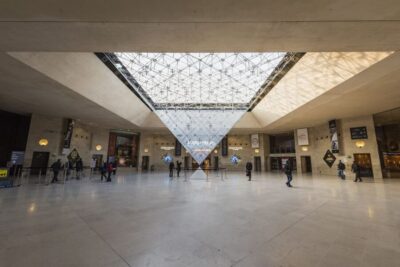
Mona Lisa & Louvre Masterpieces Tour with Reserved Access
Read our review →
Louvre Museum – Exclusive Guided Tour (Entry Included)
Read our review →