
REVIEW · PARIS
Paris: Louvre Museum Highlights and Mona Lisa Tour
The Louvre is so large that the hardest part is not finding the Mona Lisa. It is knowing what to see before your energy, patience, or sense of direction gives out. This one to two hour highlights tour solves that problem with a planned route through the former royal palace, including the Mona Lisa, Venus de Milo, and Winged Victory of Samothrace. I like the time saved by the pre-reserved ticket, and I like the human stories that make famous paintings and statues easier to understand.
The main drawback is that skip the line does not mean walk straight inside. Everyone still passes airport-style security, and busy periods can bring a wait of up to 20 minutes. You will also walk quickly, climb stairs, and share the galleries with a group of as many as 20 people.
Key Points at a Glance
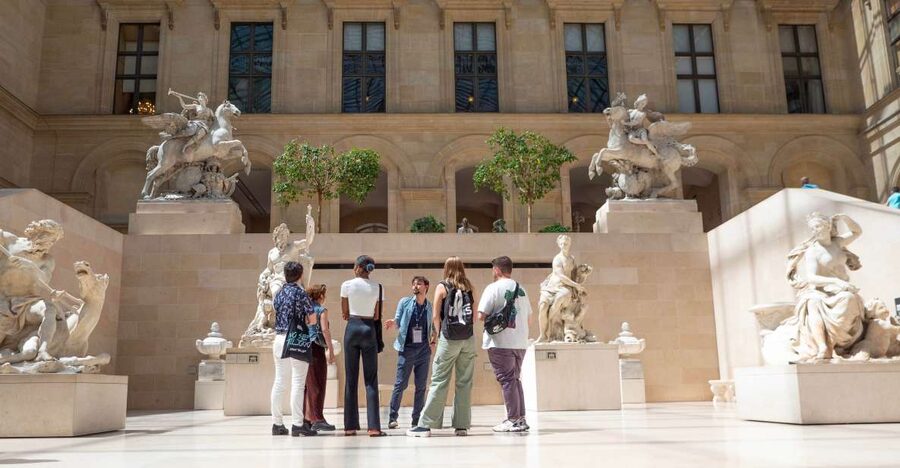
- See three Louvre icons: Visit the Mona Lisa, Venus de Milo, and Winged Victory of Samothrace on one focused route.
- Use a separate entrance: Your pre-reserved ticket helps you avoid the regular ticket queue, though security screening remains.
- Hear the stories behind the art: Guides such as Sally, Barbara, Pauline, Rodrigo, and Pierre have been praised for clear explanations and lively storytelling.
- Cover more than the famous names: The route includes Renaissance art, ancient Greek objects, paintings from the 13th to 19th centuries, royal prints, and medieval fortress remains.
- Finish with freedom to continue: The guided portion ends around the Mona Lisa, giving you a useful starting point for further museum time.
- Prepare for stairs and crowds: This is not suitable for people with mobility impairments, and large bags, luggage, and non-folding strollers are not allowed.
Why a Guided Louvre Visit Helps
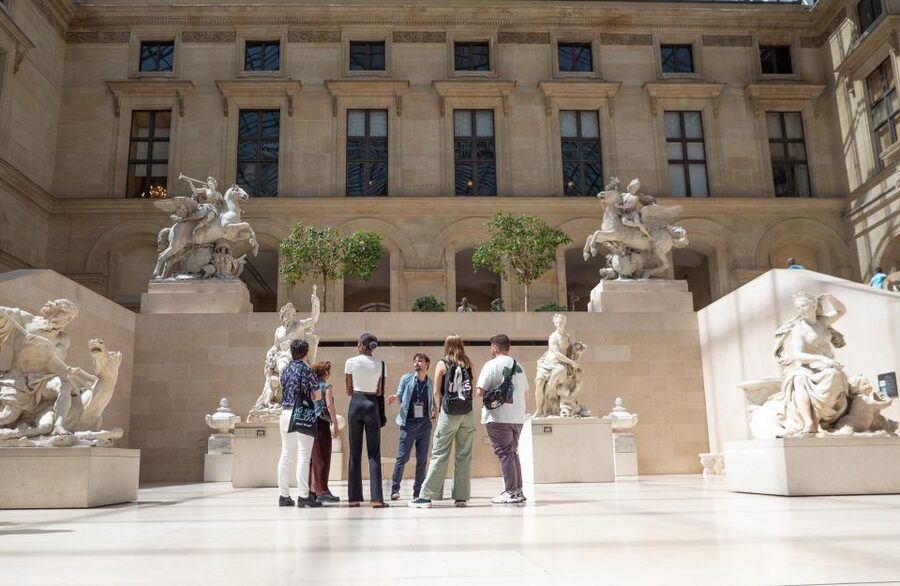
The Louvre is not simply a large museum. It is a former residence of the Kings of France with galleries spread across an enormous palace complex. Ancient civilizations, Renaissance masterpieces, royal collections, paintings from several centuries, sculptures, prints, and architectural remains all compete for your attention.
You can certainly wander in alone, but the first visit can become a slow search for signs and room numbers. A guide gives the museum a shape. Instead of spending your first hour figuring out where to go, you move from one major work to the next while hearing why each object matters.
I especially like this format for a first visit. You get a practical introduction to the building and its art, then you can decide what deserves a longer look later. The tour does not try to cover every room, because that would be impossible in two hours. It gives you a useful framework.
The English-speaking guides vary, but the strongest part of this experience is clearly the guiding. Sally has been praised for making the visit focused and fun. Barbara is known for mixing art explanation with humor, while Pauline uses questions to keep the group involved. Rodrigo has led families through the major works and added other paintings and rooms along the way. Pierre has been especially good at pointing out pieces you might otherwise walk past.
Those details matter. A guide who only recites dates can make even great art feel flat. A guide who explains what you are looking at, then adds an odd detail or a question, helps you remember the work after you leave.
More Art Museum Tours in Paris
- Paris: Louvre Museum Timed-Entrance Ticket
★ 4.6 · 71,977 reviews - Paris: Orsay Museum Entry Ticket
★ 4.7 · 25,647 reviews - Paris: Louvre Guided Tour with Reserved Access & Boat Cruise
★ 4.3 · 16,353 reviews
Meeting at the Arc du Carrousel du Louvre
You meet your guide at the Arc du Carrousel du Louvre, just outside the museum. The exact meeting point can vary with the option booked, so read your confirmation carefully and do not walk straight to the museum entrance.
This sounds minor, but it is one of the most important practical details. A group booking depends on everyone being in the right place before entry. If you arrive late, the operator may not be able to issue your ticket.
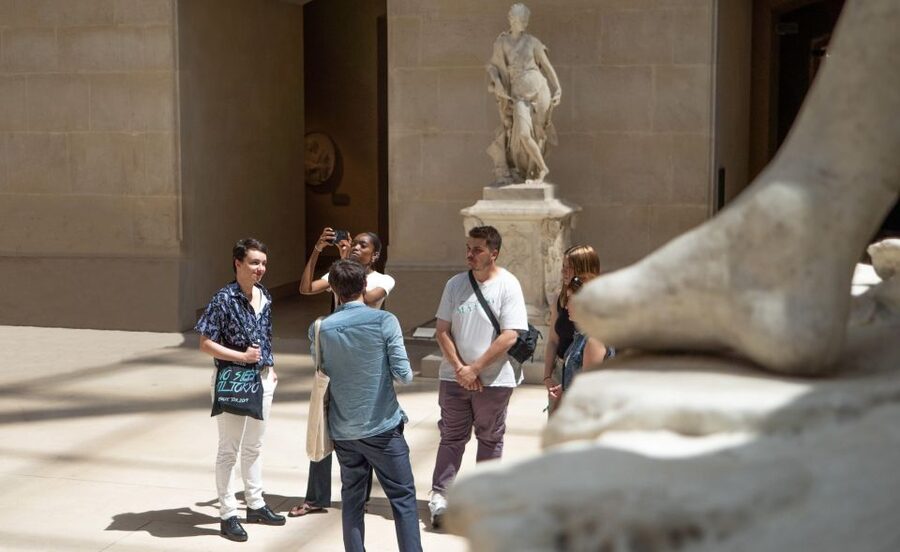
Once the group is assembled, the guide leads you toward the museum entrance. Headsets are included, which is useful in crowded rooms where standing close to the guide may block your view of the artwork. It also lets you look at a painting while continuing to hear the explanation.
The group can include up to 20 people. That is not intimate, but it is small enough to keep moving as one unit. In busy rooms, stay alert and keep an eye on the guide. One person had trouble spotting a shorter guide in a crowded gallery, and another group briefly lost sight of its guide near a popular artwork. A bright flag or raised sign would help, but your best plan is to remain close.
Entering the Louvre Without the Regular Ticket Queue
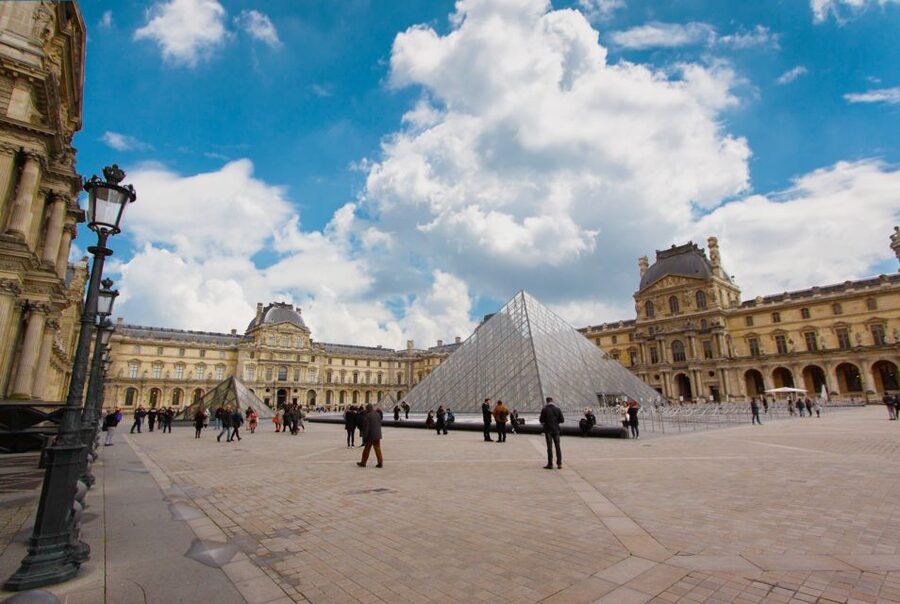
The pre-reserved entry ticket is one of the clearest reasons to consider this tour. You use a separate entrance and avoid waiting in the normal ticket line, which can save valuable time in a museum where even a short delay matters.
There is an important catch. All visitors must pass through airport-style security, and during the busiest periods the security check can take up to 20 minutes. The tour does not remove that step, so arrive with realistic expectations.
Do not bring luggage or large bags. Double baby strollers and non-folding strollers are not allowed. You should also bring a passport or ID card and wear comfortable shoes.
The entry process can consume a surprising share of a short tour. One two-hour visit reportedly spent roughly 35 to 40 minutes getting inside. That is frustrating, but it reflects the practical limits of visiting the Louvre during busy periods rather than a weakness in the art portion itself. If you want the most time inside, choose an earlier start when available.
The Louvre Palace and the Medieval Fortress
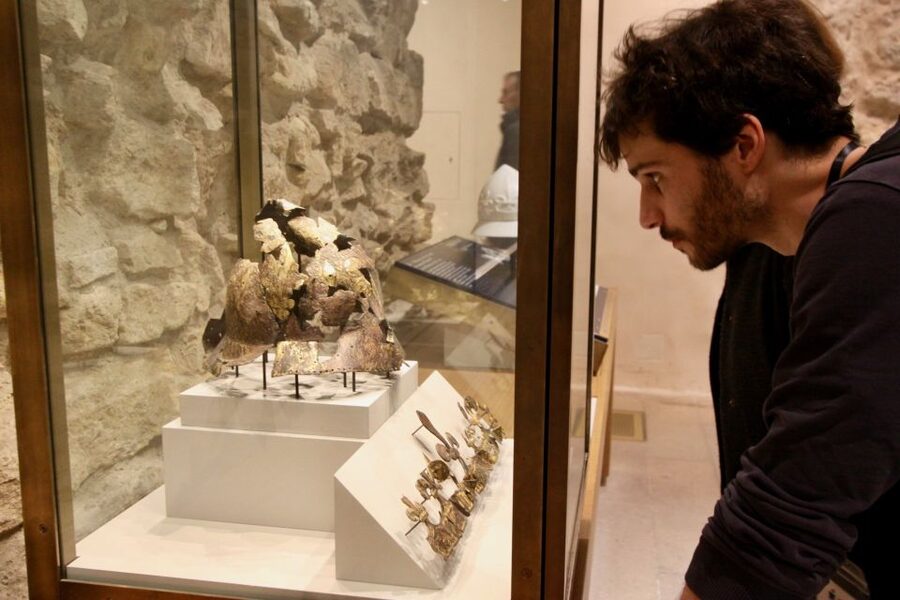
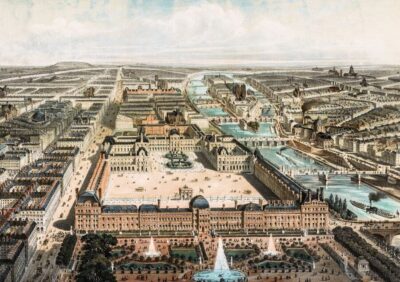
Before the famous paintings and statues, the building itself deserves attention. The Louvre began as a fortress, then grew into a royal palace before becoming a public museum. The tour includes the underground galleries, where you can see remains of the original medieval fortress.
This stop gives you a useful sense of scale. You are not walking through a neutral exhibition hall. You are moving through layers of French royal and national history, with later rooms built around earlier structures.
The underground remains are also a good change of pace. The Mona Lisa rooms can be crowded and noisy, while the older foundations offer a quieter way to understand how the site developed. Your guide can connect the stone foundations beneath your feet with the palace above them.
Do not expect a long archaeological visit. The tour is designed to keep moving, so the fortress remains are part of a wider route rather than a separate extended stop.
More Louvre tours and timed tickets:
- Louvre Museum Masterpieces Guided Tour with Access
★ 4.5 · 12,023 reviews - Paris: Louvre Overview, Exploration tour and Reserved Entry
★ 4.1 · 10,145 reviews - Paris: Louvre Museum Entry Ticket With Host and River Cruise
★ 4.6 · 9,926 reviews - Mona Lisa & Louvre Masterpieces Tour with Reserved Access
★ 4.6 · 6,812 reviews
Venus de Milo and the Greek Galleries
The Venus de Milo is one of the Louvre’s most recognizable sculptures. This ancient Greek statue has influenced generations of artists, and seeing it in person gives you a better sense of its scale, posture, and missing arms than any photograph can provide.
The guide’s role here is to make you look beyond the famous name. You may hear about the statue’s artistic qualities, its place in ancient Greek art, and the reasons it became such an enduring symbol.
The room can be crowded, especially in the high season. You may need to wait for a clear view, and your time in front of the sculpture will be shared with other groups. Still, a guide helps you get oriented quickly and keeps this major stop from becoming just a photograph.
The route also includes ancient Greek relics and other important objects. That broader context is useful because the Venus de Milo is not an isolated celebrity. It belongs to a much larger story of Greek sculpture and later European admiration for the classical world.
Winged Victory at the Top of the Staircase
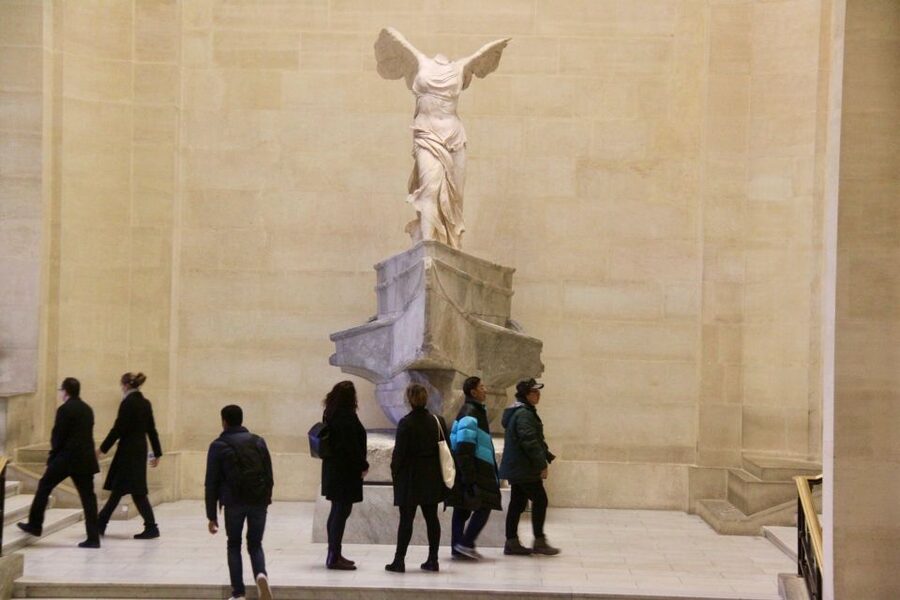
Winged Victory of Samothrace, also called Nike, is another essential stop. The Hellenistic sculpture represents the Greek goddess of victory and is displayed at the top of a grand staircase.
The setting is part of the experience. You see the figure from a distance, then approach it as the staircase rises. The statue’s missing head and arms do not lessen its force. Its wings, body, and windblown clothing suggest movement even though the marble itself is still.
This is a good example of why the guide adds value. A quick visitor may take a picture and keep walking. A well-told explanation draws your attention to the posture, the sense of motion, and the way the sculpture works with the surrounding space.
The stairs also underline a practical point: this tour requires walking and climbing stairs. The museum cannot accommodate people with wheelchairs or mobility impairments on this route because of the location of its elevators. If stairs are difficult for you, this is not the right Louvre option.
The Mona Lisa and the Crowds Around Her
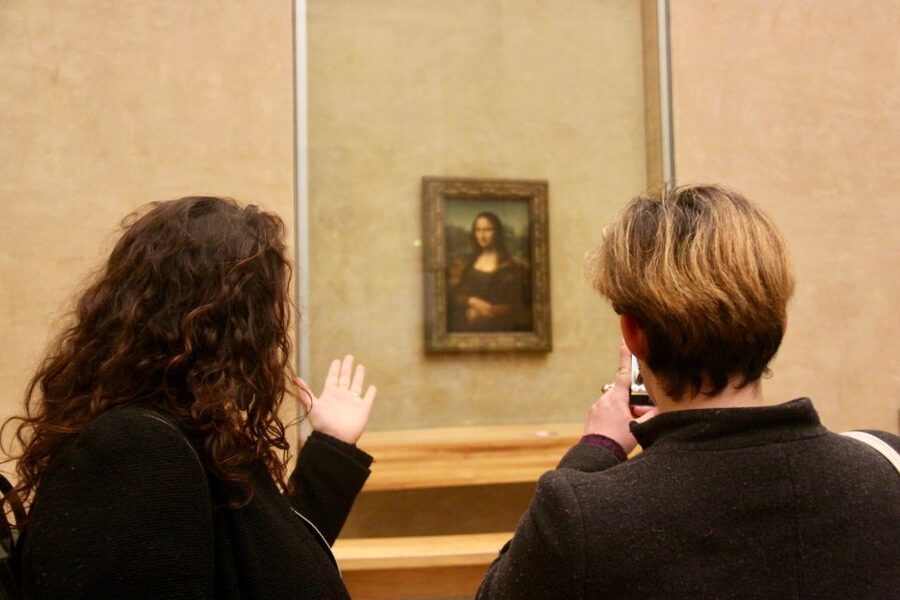
The tour builds toward Leonardo da Vinci’s Mona Lisa, the painting most people associate with the Louvre. Your guide explains the portrait’s significance and the dramatic theft in 1911, which played a major role in turning the painting into a worldwide celebrity.
The visit is less about standing alone with Leonardo’s portrait and more about understanding why the painting became so famous. Expect a crowd, a controlled viewing area, and limited personal space. The Mona Lisa is protected behind glass, and many people want the same quick photograph.
The guide’s explanation is the most valuable part here. You learn about the portrait, its place in Renaissance art, and the theft that helped create its modern fame. Once the explanation ends, you may have a chance to look for yourself, but do not expect a peaceful, private encounter.
The guided portion ends around this area. You can then continue exploring, but pay attention to where you are. Once you have exited the wings and returned beneath the pyramid, you cannot re-enter those rooms. If you want another look at a particular gallery, do it before leaving that wing.
Paintings, Prints, and Rooms You Might Miss
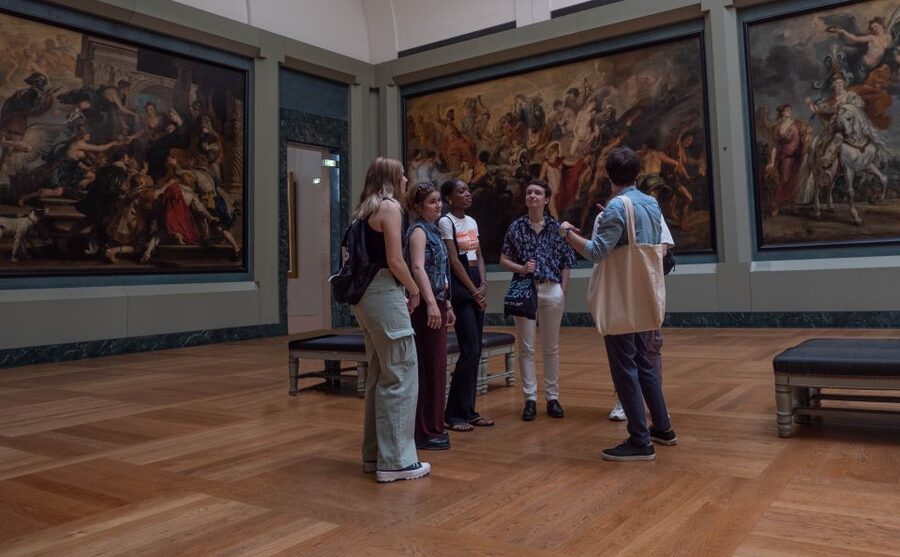
The headline works draw the crowds, but the tour does not stop with three famous names. It also includes Renaissance art, paintings from the 13th through the 19th centuries, and prints from the Royal Collection.
This is where the tour can become more personal. A guide may point out an overlooked painting, a detail in a royal print, or a room that has fewer people than the main celebrity galleries. One guide used less crowded sections as a welcome break from the packed areas around the Mona Lisa and Venus de Milo.
That balance is important. If all you want is a quick route to three famous works, the tour provides it. If you want a little more context, the additional paintings and rooms keep the visit from feeling like a checklist.
The amount you see depends on the pace and the group. Some guides move briskly to fit the highlights into two hours. That is useful for first-time visitors who want a broad overview, but it leaves little time for lingering. You should think of this as an introduction, not a full study of the Louvre.
How the Two Hours Feel
A two-hour museum tour can sound short, and it is. The Louvre cannot be covered in one day, much less one or two hours. But a compact route is also the point.
You will walk from gallery to gallery, listen through a headset, stop for explanations, and move on before the group loses momentum. The pace has been described as quick but manageable, with enough time to hear the main stories and ask questions.
Families can benefit from the structure. One guide, Phillip, kept children engaged, and another guide was praised for handling children, older people, families, and solo visitors with patience. Still, children must have their own bookings, and the group format means you need to stay with the guide.
At the end, you have a choice. You can leave with a clear overview, or remain inside to explore more on your own if museum access permits. Plan your priorities early, since you cannot return to rooms after exiting the wings.
Is the $116 Price Worth It?
At $116 per person, this is not a cheap museum ticket. You are paying for more than admission: a pre-reserved entry ticket, an English-speaking licensed guide, headsets, and a planned route through a very confusing building.
The value is strongest if you are visiting the Louvre for the first time, have limited time in Paris, or feel unsure about art history. The ticket line bypass can also matter during peak periods, although security still takes time.
The value is weaker if you already know the Louvre well, prefer wandering alone, or want to spend half an hour with one painting. A self-guided visit gives you more control and may cost less, but it requires advance planning and a willingness to navigate the museum yourself.
I would also factor in the cost of wasted time. Getting lost in the Louvre is easy, and the famous rooms can be far apart. If a guide helps you avoid a wrong turn and explains what you are seeing, the extra expense can make sense.
Who Should Book This Louvre Tour?
I would choose this tour for a first-time Louvre visitor who wants the major works without trying to plan a museum strategy from scratch. It is also a strong fit for families, couples, and solo visitors who prefer a human explanation rather than an audio guide.
It suits you if you enjoy stories, want a broad overview, and can walk steadily for up to two hours. The guides have been praised for humor, clear explanations, patience, and the ability to make children pay attention.
I would skip it if you need step-free access, dislike group tours, carry large bags, or want a slow art-focused visit. The route involves stairs and crowds, and the Mona Lisa viewing area can feel packed. You should also avoid booking it too tightly against another activity, since security delays can eat into the schedule.
Should You Book It?
Book this tour if you want the Louvre’s main works, a reliable route, and useful context without spending your morning studying a map. The strongest reasons are the pre-reserved entry, the guide’s storytelling, and the chance to see more than just the Mona Lisa.
Choose an earlier start if you can, arrive at the meeting point well before departure, and bring only what you need. With those preparations, the tour gives you a sensible first look at one of the world’s largest museums, then leaves you better prepared to explore on your own.
FAQ
How long does the Louvre highlights tour last?
The stated duration is one to two hours. The exact length and starting time depend on availability and the option booked.
Which Louvre artworks are included?
The route includes the Mona Lisa, Venus de Milo, and Winged Victory of Samothrace. It also covers selected Renaissance works, ancient Greek relics, paintings from the 13th to 19th centuries, Royal Collection prints, and remains of the original medieval fortress.
Is the Louvre ticket included?
Yes. A pre-reserved Louvre Museum entry ticket is included, along with a guided tour in English and headsets.
Does the tour really skip the line?
The ticket provides access through a separate entrance and avoids the regular ticket queue. All visitors must still pass airport-style security, and this can take up to 20 minutes during busy periods.
Where do I meet the guide?
The meeting point is at the Arc du Carrousel du Louvre, just outside the museum, although it may vary depending on the option booked. Do not go directly to the museum entrance.
Can people with mobility impairments join?
No. The tour requires walking and climbing stairs and is not suitable for people with mobility impairments because the museum elevators are not positioned for this route.
Can I bring luggage or a stroller?
Large bags and luggage are not allowed. Non-folding strollers and double baby strollers are also not permitted inside the Louvre.
Just added around Paris
- Paris Day Tour with Eiffel Tower, Louvre and Cruise Max 6 People★ 4.5 · 29 reviews
- d’Orsay Museum Paris entry ticket★ 3.5 · 31 reviews
- visiting the masterpieces of impressionists at Orsay museum★ 5.0 · 7 reviews
- PRIVATE Louvre Wonders & Hidden Treasures Visit★ 5.0 · 65 reviews
- Louvre Museum with private guide★ 5.0 · 3 reviews
- Louvre Wheelchair-Accessible Private Tour – Stress-Free & Easy★ 5.0 · 16 reviews
- LOUVRE, Small Group Guided Tour in French (TOP SALES)★ 4.5 · 9 reviews
- Musée d’Orsay Highlights Tour with Gourmet Lunch★ 4.5 · 11 reviews
Art Museum Tours in Paris, compared.

Louvre Guided Tour with Reserved Access & Boat Cruise
Read our review →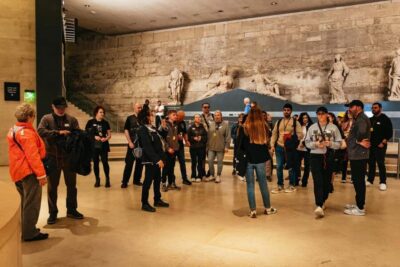
Louvre Overview, Exploration tour and Reserved Entry
Read our review →
Louvre Museum Entry Ticket With Host and River Cruise
Read our review →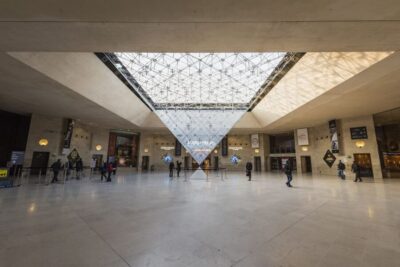
Mona Lisa & Louvre Masterpieces Tour with Reserved Access
Read our review →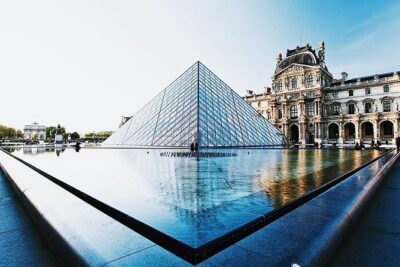
Louvre Museum – Exclusive Guided Tour (Entry Included)
Read our review →