
REVIEW · PARIS
Paris: Semi-Private Tour of the Louvre Museum and Mona Lisa
The Mona Lisa is only one piece of the story here. This 150-minute Louvre tour also takes you below the palace to its ancient foundations, then through grand galleries filled with da Vinci, Raphael, Botticelli, Bernini, and French masterworks. A group capped at six people makes it easier to hear the guide and move through the crowds.
I like the skip-the-ticket-line entry and the chance to remain inside the museum after the guided portion. I also like the English-speaking art guides, with Marion singled out for keeping up a steady stream of stories while steering the group through packed galleries. The main drawback is that the tour does not remove every wait: security can still take up to 20 minutes in high season, and the route is not suitable for wheelchair users or people with mobility impairments.
Key points at a glance
- A six-person group: You get a much more personal visit than on a large coach-style museum tour.
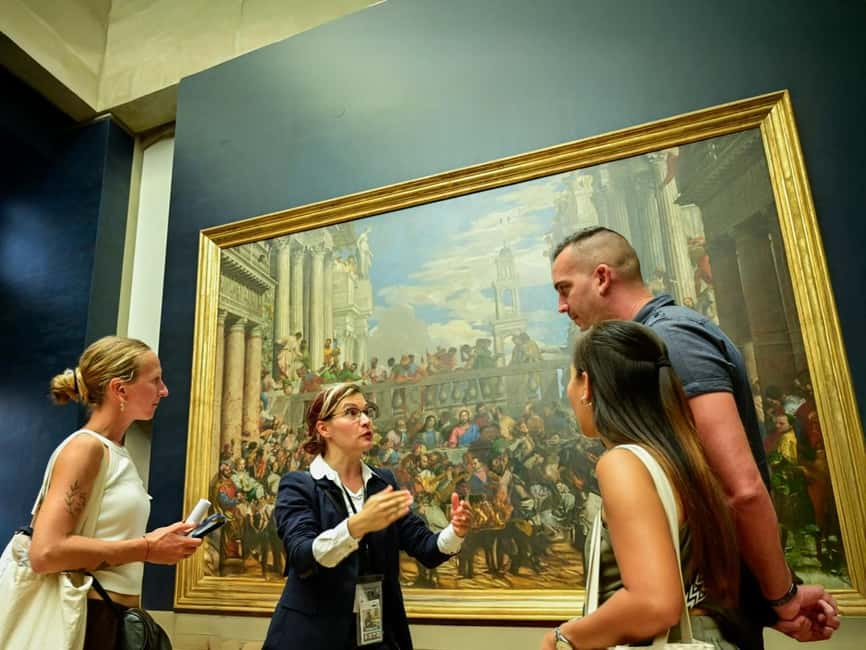
- The Mona Lisa and Wedding Feast at Cana: See two of the Louvre’s most sought-after paintings, with context from your guide.
- Ancient Louvre foundations: The tour connects today’s museum with the palace and earlier structures beneath it.
- French icons in one route: Expect the Crown Jewels, Napoleon’s Coronation, and The Raft of the Medusa.
- 150 minutes with an English-speaking guide: The pace is focused on major works rather than trying to cover the entire museum.
- Stay after the tour: Once the guide leaves, you can continue exploring until closing, but you cannot re-enter the art area after exiting it.
Why a small Louvre tour makes sense
The Louvre is too large to tackle properly in a single visit. You can spend hours crossing its wings and still miss the works you most wanted to see. That is why a focused route with a guide can be good value, especially if this is your first visit or you have only a few days in Paris.
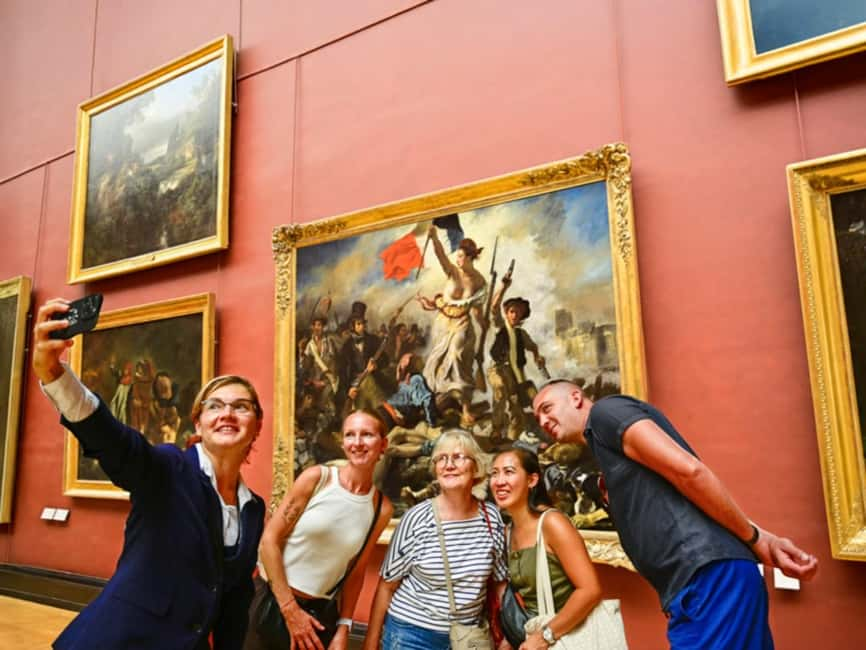
This tour limits the group to six people. That number matters. You should be able to hear the guide without straining, ask questions without holding up a crowd, and stay close enough to follow the explanations. A small group also helps when the museum is busy, since your guide can lead you toward the major works without the stop-and-start feel of a large party.
The tour lasts 150 minutes, or two and a half hours. That gives you enough time for a strong first look at the Louvre without turning the morning or afternoon into an endurance test. You will not see everything. No tour of this length can do that. Instead, you get a guided introduction to major paintings, sculpture, royal objects, and the building itself.
The price is $123 per person. That is not a bargain admission ticket, but it includes museum entry, a guide, and a group of no more than six. I see the value mainly in the time saved and the explanations provided. If you are happy to wander alone with an audio guide, you may prefer a cheaper visit. If you want help finding the famous works and understanding what you are seeing, the small group makes the higher price easier to justify.
More Art Museum Tours in Paris
- Paris: Louvre Museum Timed-Entrance Ticket
★ 4.6 · 71,977 reviews - Paris: Orsay Museum Entry Ticket
★ 4.7 · 25,647 reviews - Paris: Louvre Guided Tour with Reserved Access & Boat Cruise
★ 4.3 · 16,353 reviews
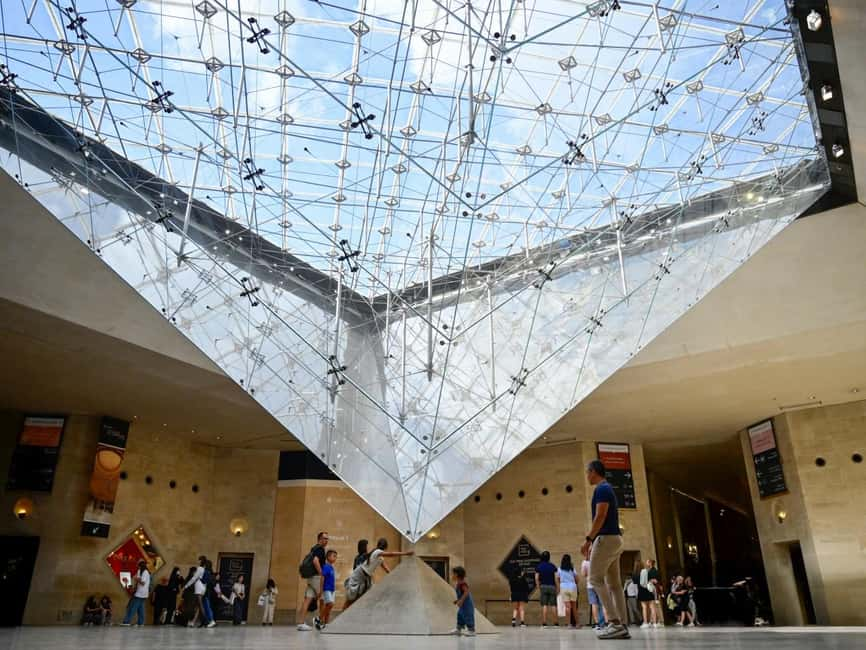
Meeting beneath the Louvre Pyramid
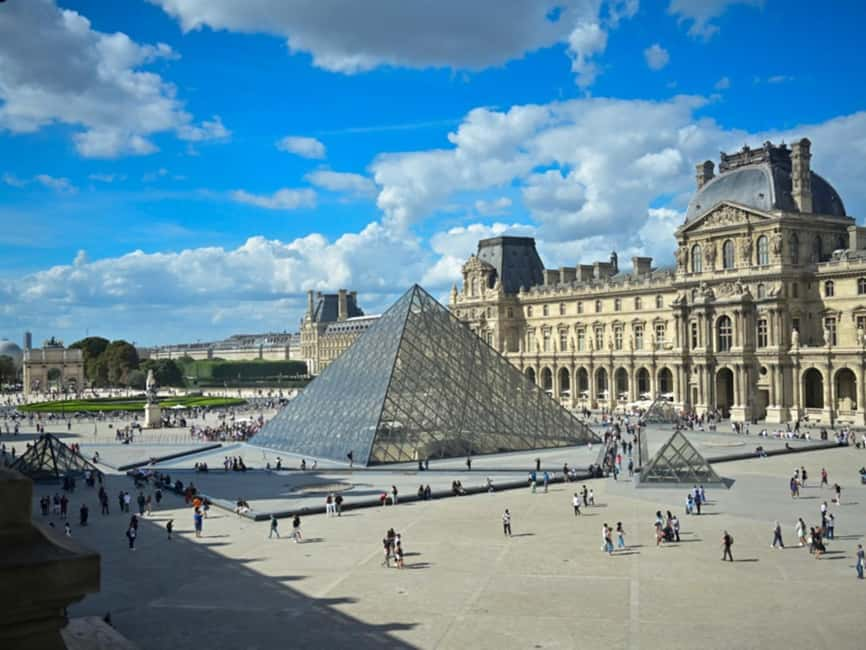
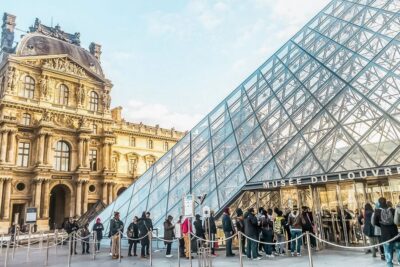
You meet at the equestrian statue of Louis XIV in front of the Louvre Pyramid. Arrive 10 minutes early and look for a representative holding a sign marked The Tour Guy.
This is a busy meeting area, so do not cut the timing close. The pyramid is easy to identify, but the space around it can be crowded with people waiting for entry, meeting friends, or taking photographs. Arriving early gives you time to locate the representative before the group heads inside.
Bring a passport or ID card. Wear comfortable shoes, since the visit involves walking through a large museum and standing before popular works. Hotel pickup and drop-off are not included, so you make your own way to the Louvre and continue on your own afterward.
The Louvre beneath the palace
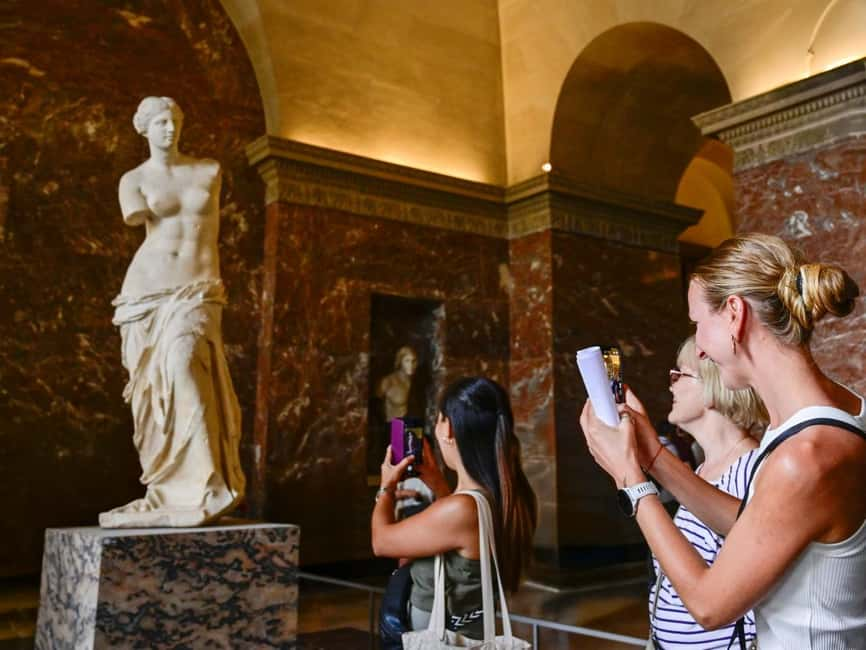
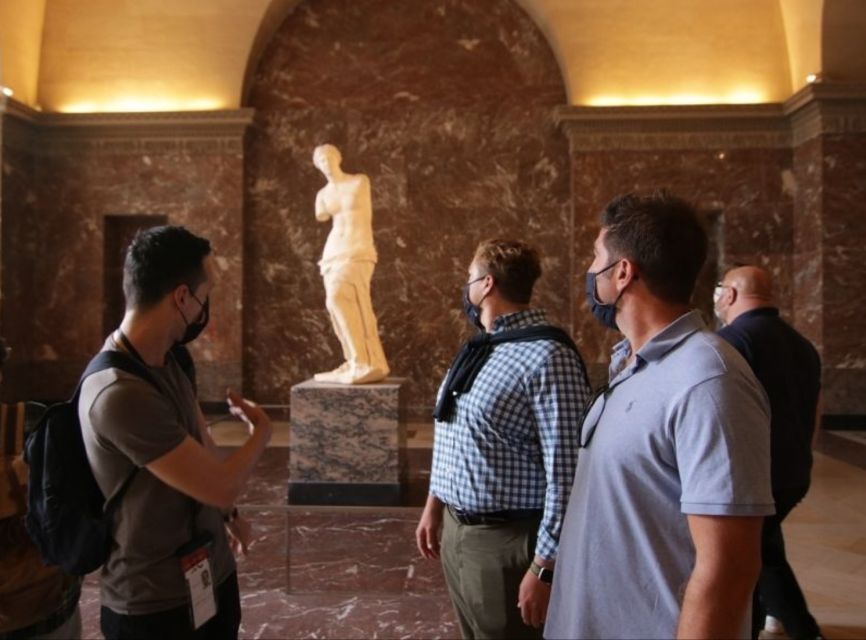
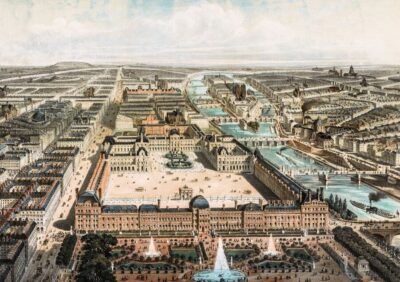
One of the most interesting parts of the route comes before the famous paintings. The Louvre was not always a museum. Beneath the palace, you can see parts of its earlier foundations, with Greek and Roman statues among the remains.
This gives the visit a useful sense of time. You are not simply entering a large art building. You are walking through a place that has changed function over many centuries. The foundations help explain why the Louvre feels more like a historic district under one roof than a tidy collection of galleries.
Ancient sculpture also provides a good contrast to the paintings that come later. Look for the way the guide connects the statues to their period and purpose. You may already recognize some figures or styles, but the explanation helps turn a quick glance into a more informed look.
The drawback is that the Louvre can feel physically demanding. The route is not suitable for wheelchair users or people with mobility impairments. Anyone who tires easily should take that seriously before booking, since the museum’s size and crowds can make the visit more taxing than the 150-minute length suggests.
Leonardo, Raphael, Botticelli, and Bernini
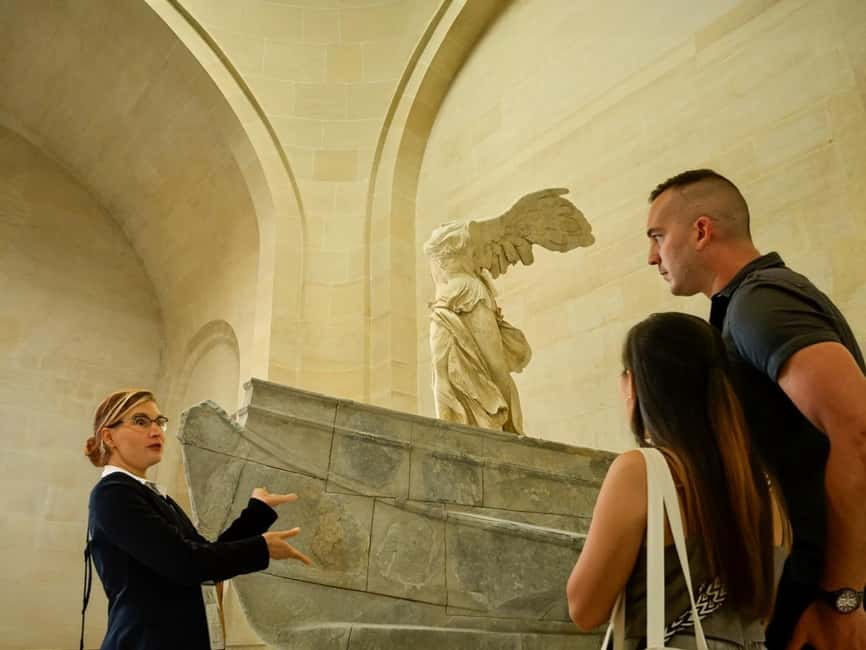
The next part focuses on works by some of Europe’s best-known artists. Da Vinci is the obvious name, but Raphael, Botticelli, and Bernini give the tour a wider range than a Mona Lisa-only visit.
A guide is especially useful here because famous names can create shallow viewing. You may know that a painting is important, but not know what to look for in the composition, expression, movement, or use of light. The guide’s job is to give you a few clear points so you can spend less time wondering why a work matters and more time looking at it.
The small group helps with this kind of explanation. You can stay near the guide while studying the details, rather than trying to catch a speech from the back of a crowd. The tour’s English-speaking guides bring art history into the conversation, and Marion received particular praise for telling stories continuously while guiding the group around busy galleries.
That does not mean every moment will be quiet or leisurely. The Louvre is a working museum with heavy foot traffic, and the most famous rooms can be crowded. Your guide may need to adjust the order or position of the group. That flexibility is useful, but it also means the exact flow can change.
More semi-private gallery tours in Paris:
- Louvre Museum Paris Essential Guided Tour Semi-Private 6ppl Max
★ 5.0 · 3,807 reviews - The Musée d’Orsay Guided Tour Orsay Museum Semi-Private 6ppl Max
★ 5.0 · 904 reviews - Louvre & Musée d’Orsay Guided Museum Tour Semi-Private 6ppl Max
★ 5.0 · 619 reviews - Exclusive Semi-Private Louvre Tour with Mona Lisa, Max 6 People
★ 5.0 · 126 reviews
Meeting the Mona Lisa
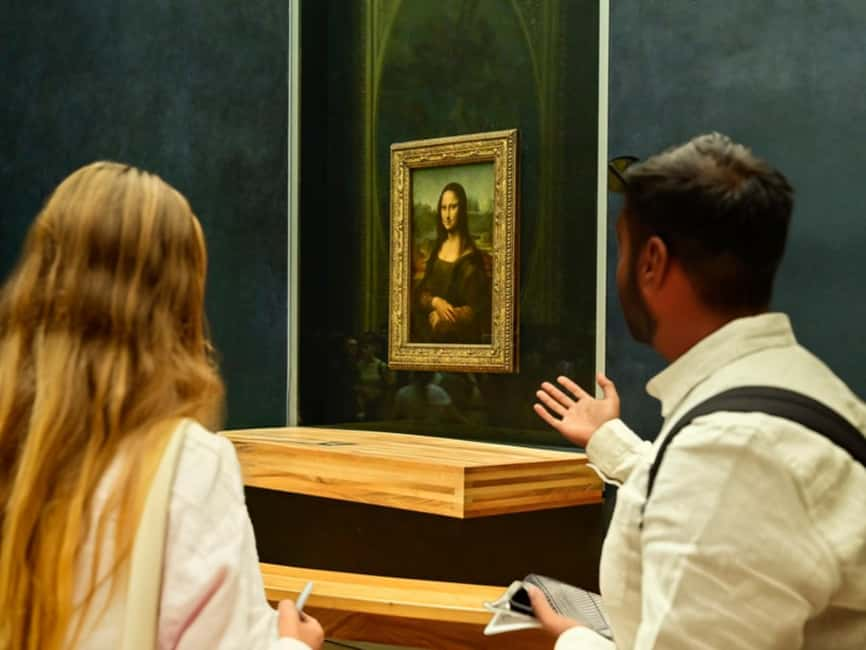
The Mona Lisa is the emotional center of the tour for many people. You get to stand before Leonardo da Vinci’s famous portrait and hear about the questions surrounding her expression and identity.
Set your expectations sensibly. This is one of the most visited paintings in the world, and you will not have the room to yourself. The painting is smaller than many first-time visitors expect, and the viewing area can be crowded. Even so, seeing it in person gives the work a different presence than a reproduction on a screen.
A guide adds value here by placing the painting in context instead of treating it as a quick photo stop. You can learn why the portrait became so famous and what details have kept people studying her expression. The mystery behind the smile is part of the appeal, but the painting deserves more than a glance before moving on.
Photography rules matter throughout the museum. Photography and filming are strictly prohibited in temporary exhibition rooms. Follow the guide and museum staff rather than assuming the same rules apply in every gallery.
Wedding Feast at Cana across the room
After the Mona Lisa, the Wedding Feast at Cana offers a useful change of scale. It is a huge, crowded scene that fills the wall with figures, architecture, color, and activity.
The contrast between the two paintings is one reason this stop works well in a guided route. The Mona Lisa is intimate and compact. The Wedding Feast at Cana is grand and theatrical. You can look for the details that make the larger painting feel almost like a stage, with the feast unfolding across the scene.
The guide can help you sort through the many figures and explain why this painting deserves attention even though the Mona Lisa draws most of the room’s energy. This is a good reminder that the Louvre’s best-known work is not necessarily its largest or most visually commanding one.
Napoleon’s Coronation and The Raft of the Medusa
The tour also reaches two major French paintings: The Coronation of Napoleon and The Raft of the Medusa.
The Coronation presents ceremony, power, and spectacle on a grand scale. It was made to communicate the importance of the event, and its size helps you understand how art can serve politics as well as beauty. A guide can point out the figures and visual choices that shape the scene, making it easier to read the painting as a carefully constructed public statement.
The Raft of the Medusa brings a darker mood. Its drama comes from the people shown in a moment of crisis, with strong movement and emotional tension. Placing this work beside a formal coronation scene gives you a useful look at two very different kinds of French history and storytelling.
These are the sort of paintings that can blur together when you rush through the Louvre alone. A clear explanation and a few minutes of focused attention make them more memorable. The route is not just a checklist of famous titles. It gives you a basic framework for understanding why these large works were made and how they communicate.
French Crown Jewels and royal display
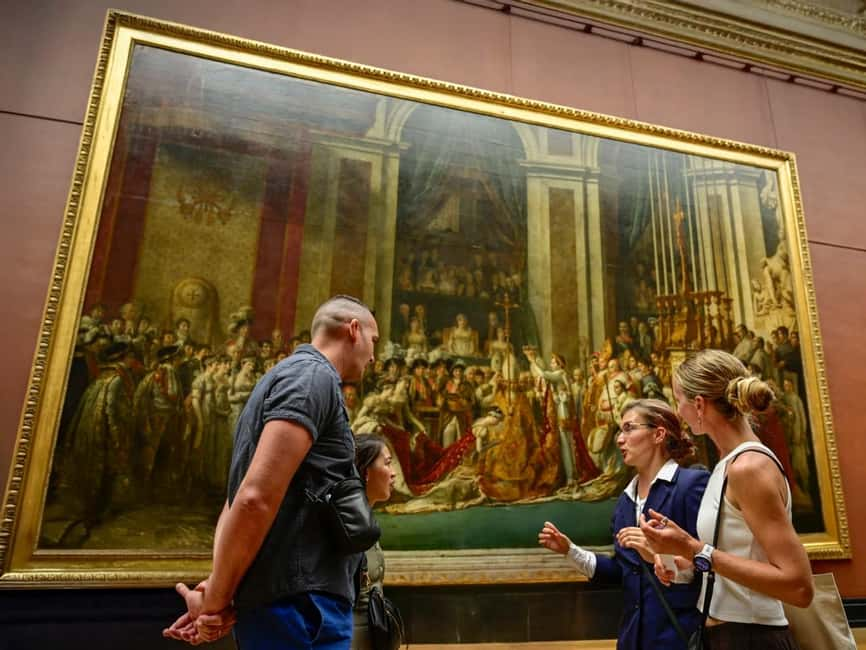
The French Crown Jewels add a different kind of spectacle. Here, the attraction is not a painted scene but the actual objects, materials, and display associated with royalty.
The jewels help round out the tour because the Louvre is more than a painting museum. You see how wealth and authority were presented through precious objects, not only through portraits and palace decoration. The stop can also help you understand the scale of royal life before the museum became a public institution.
A guide is useful because objects behind glass can be easy to admire without knowing what makes them significant. The explanation gives you a reason to pause, compare pieces, and think about the power these objects were meant to represent.
What happens after the guide leaves
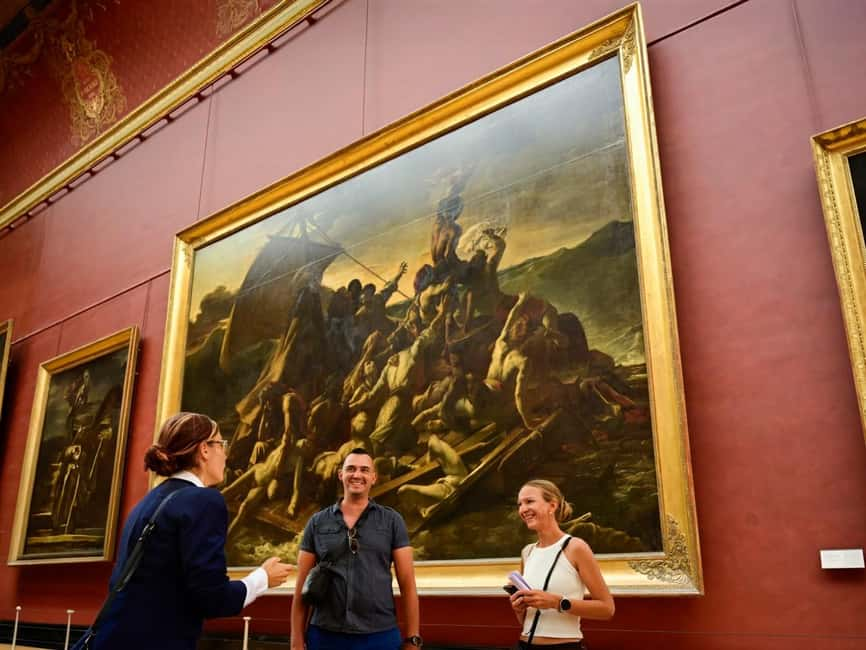
At the end of the 150-minute tour, you can remain in the museum until closing time. This is one of the better practical features, since you can use the guided route to get your bearings and then return to areas that caught your interest.
Plan this part before you enter. The Louvre is enormous, and it is easy to waste your remaining time simply trying to find a particular wing or gallery. If you want more time with a favorite painting, ask the guide for directions before saying goodbye.
There is an important restriction. Once you exit the area containing the artwork, you cannot re-enter it. Do not leave the museum area casually to buy food, meet someone, or retrieve something from outside unless you are ready to finish your art visit.
Bags, security, and practical limits
Skip-the-ticket-line entry saves time at the ticket entrance, but it does not guarantee an immediate walk inside. Security may still take up to 20 minutes during high season. Build that possibility into your plans, especially if you have a dinner reservation or another timed activity afterward.
The Louvre does not allow large bags, backpacks, luggage, umbrellas, tripods, or anything larger than 55 by 35 by 20 centimeters. There is no coat check on site, and the lockers are not accessible to this small-group tour. Leave oversized items at your accommodation.
Weapons and sharp objects are prohibited, as are baby strollers and smoking. These rules are easy to overlook when you are moving around Paris, so pack lightly from the start.
The tour is offered in English. It includes no food or drinks, and there is no hotel transportation. You should arrive fed, carry only what is permitted, and be ready to walk and stand.
Who will get the most from this tour
I would choose this tour if you want the Louvre’s essential works explained without committing to a full-day museum visit. It suits first-time visitors, couples, families with older children, and anyone who feels lost in very large museums.
It is also a good match if you care about the difference between seeing a masterpiece and understanding why it matters. The guide brings together art, politics, royal display, and the building’s earlier foundations in one route.
You may want another option if you prefer complete freedom, a slow pace, or a quiet visit. A group of six is small, but it is still a group, and the route must keep moving. The museum crowds can also limit how long you stand in front of the most famous works.
The experience is not suitable for wheelchair users or people with mobility impairments. Comfortable shoes are essential, and large bags should be left behind.
Should you book this Louvre tour?
Book it if you want to see the Mona Lisa, major French paintings, ancient sculpture, and royal treasures with a guide who can explain the connections. The group limit of six is the strongest reason to choose it, especially when the Louvre is crowded.
At $123, it costs more than entering independently, but you are paying for focused guidance, skip-the-ticket-line access, and a route through the museum’s most important sights. The very high rating and repeated praise for guides such as Marion point to a consistently strong experience, though the security wait and physical demands still apply.
I would skip it only if you want to wander without a plan, need wheelchair access, or already know the Louvre well. For a first visit, this is a practical way to make the museum feel less overwhelming and leave with more than a photograph of the Mona Lisa.
FAQ
How long does the Louvre tour last?
The guided tour lasts 150 minutes, or two and a half hours.
How many people are in the group?
The group is limited to six participants.
What language is the tour in?
The live tour is conducted in English.
Where do I meet the guide?
Meet at the equestrian statue of Louis XIV in front of the Louvre Pyramid. A representative will hold a sign marked The Tour Guy.
How early should I arrive?
Arrive 10 minutes before the scheduled starting time.
Is museum entry included?
Yes. Skip-the-ticket-line entry to the Louvre is included.
Can I stay inside the Louvre after the tour?
Yes. You may remain inside until closing after the guide says goodbye. Once you exit the artwork area, you cannot re-enter it.
Can I bring luggage or a large backpack?
No. Luggage, large bags, backpacks, umbrellas, tripods, and items larger than 55 by 35 by 20 centimeters are not allowed. There is no coat check, and the lockers are not accessible to this tour.
Is the tour suitable for wheelchair users?
No. The activity is not suitable for wheelchair users or people with mobility impairments.
Can I cancel for a full refund?
Yes. You can cancel up to 24 hours in advance for a full refund. You can also reserve now and pay later.
More Louvre Tours in Paris
- Louvre Museum Masterpieces Guided Tour with Access
★ 4.5 · 12,023 reviews - Paris: Louvre Overview, Exploration tour and Reserved Entry
★ 4.1 · 10,145 reviews - Paris: Louvre Museum Entry Ticket With Host and River Cruise
★ 4.6 · 9,926 reviews - Mona Lisa & Louvre Masterpieces Tour with Reserved Access
★ 4.6 · 6,812 reviews
Just added around Paris
- Paris Day Tour with Eiffel Tower, Louvre and Cruise Max 6 People★ 4.5 · 29 reviews
- PRIVATE Louvre Wonders & Hidden Treasures Visit★ 5.0 · 65 reviews
- d’Orsay Museum Paris entry ticket★ 3.5 · 31 reviews
- visiting the masterpieces of impressionists at Orsay museum★ 5.0 · 7 reviews
- Louvre Museum with private guide★ 5.0 · 3 reviews
- Louvre Wheelchair-Accessible Private Tour – Stress-Free & Easy★ 5.0 · 16 reviews
- LOUVRE, Small Group Guided Tour in French (TOP SALES)★ 4.5 · 9 reviews
- Visit to the Louvre Paris museum★ 5.0 · 2 reviews
Art Museum Tours in Paris, compared.
Louvre Guided Tour with Reserved Access & Boat Cruise
Read our review →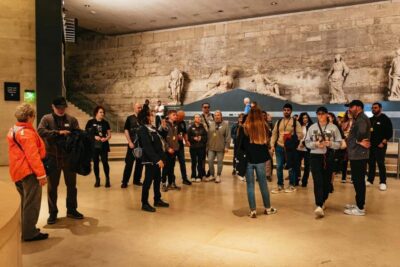
Louvre Overview, Exploration tour and Reserved Entry
Read our review →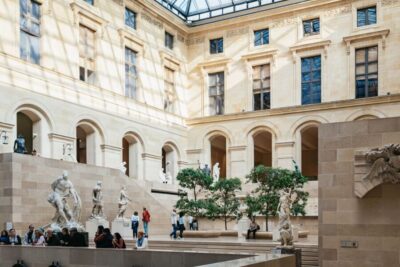
Louvre Museum Entry Ticket With Host and River Cruise
Read our review →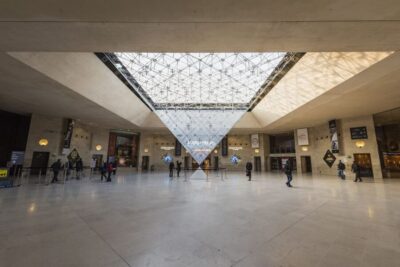
Mona Lisa & Louvre Masterpieces Tour with Reserved Access
Read our review →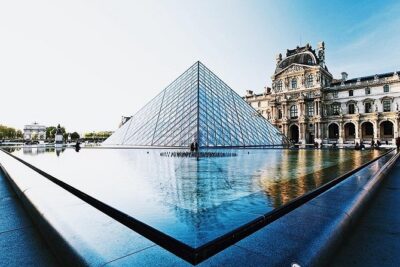
Louvre Museum – Exclusive Guided Tour (Entry Included)
Read our review →
Louvre Museum Hosted Entry and Mona Lisa Audioguide
Read our review →Browse the lists this tour appears in