
REVIEW · AUSTRALIA
National Gallery of Victoria (NGV) guided tour
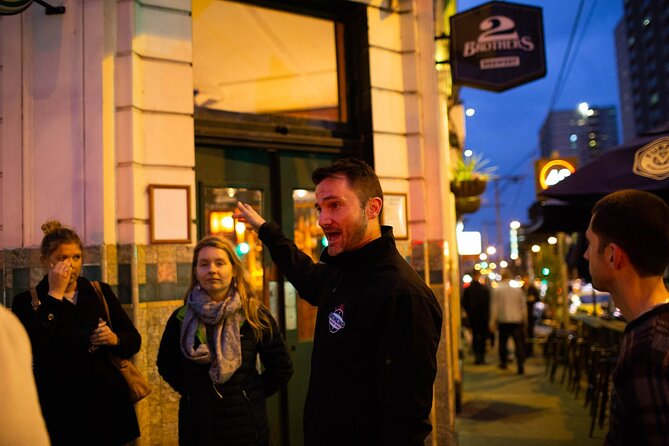
The clever part of this NGV tour is its focus. Instead of wandering through a large gallery and wondering what you should be looking at, you spend about three and a half hours with Sandy examining roughly 30 selected Western paintings. He explains the artists, the time period, and the visual clues that help you make sense of each work.
I like the practical handout most. It is a laminated checklist for studying paintings, so you can use the same method at other museums. I also like the small group size, capped at six, which should make it easier to ask questions and follow the discussion. The main consideration is the required minimum of four participants, so the tour depends on enough people booking for your date.
Key points
- About 30 carefully chosen paintings: Focus on major Western works instead of trying to cover the entire NGV.
- Beginner-friendly teaching: Sandy explains how to look at art without assuming you already know art terms.
- Eight major movements: The route includes Byzantine, Renaissance, Mannerism, Baroque, Rococo, Romanticism, Realism, and Impressionism.
- Artists you may recognize: Works connected with Rembrandt, El Greco, Monet, Picasso, Dalí, and others form the core of the discussion.
- Small group format: The group can be as small as four and never exceeds six people.
- Useful take-home tool: You receive a reusable laminated sheet and finish with a quiz to test what you have learned.
Why a focused NGV tour can beat wandering alone
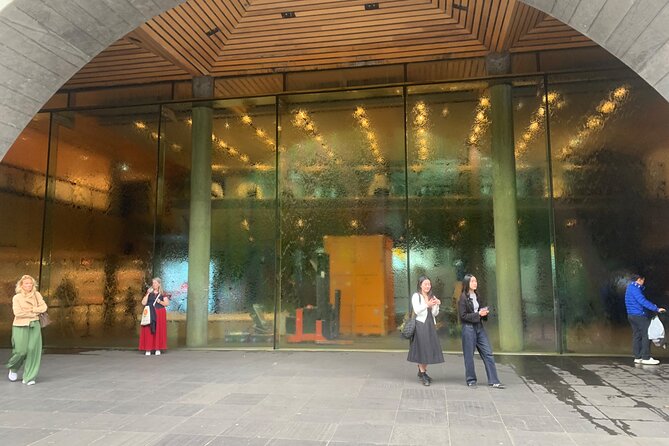
The National Gallery of Victoria can feel like a lot to take in. Its collection includes works from many periods and countries, and a first visit may leave you admiring the pictures without knowing why one painting matters more than another.
This experience gives you a route through the main Western art movements shown at the NGV. You move from Byzantine art through the Renaissance, Mannerism, Baroque, Rococo, Romanticism, Realism, and Impressionism. That sequence gives you a basic timeline and helps you see how artists changed their approach over time.
You do not need to become an art expert. The aim is more modest and more useful: to give you a repeatable way to look at a painting. You learn to notice features such as the subject, composition, color, gesture, setting, and clues about the period in which the artist worked.
I find that approach particularly helpful for beginners. A lecture packed with names and dates can fade quickly. A simple set of questions you can use in front of any painting is far more likely to stay with you.
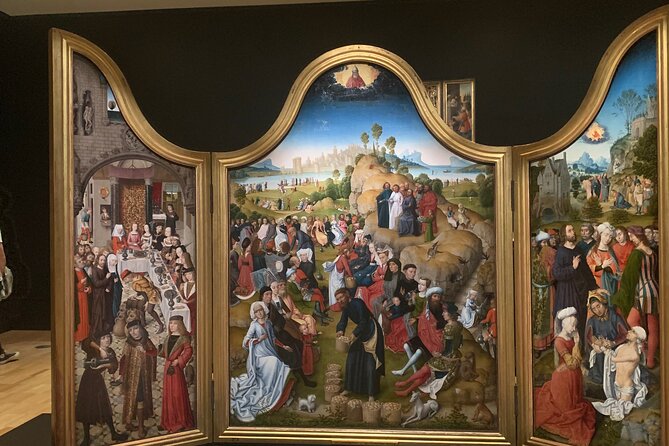
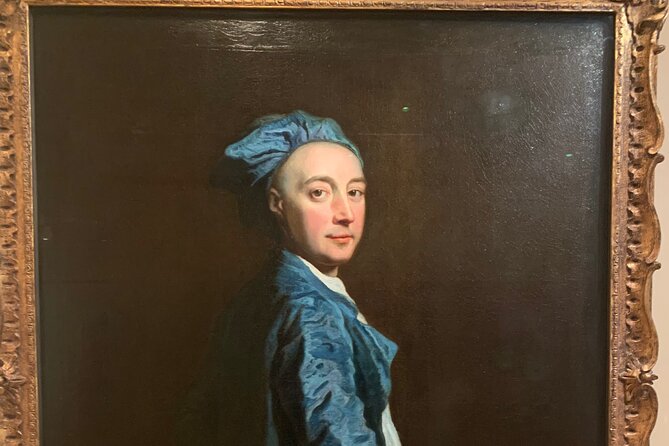
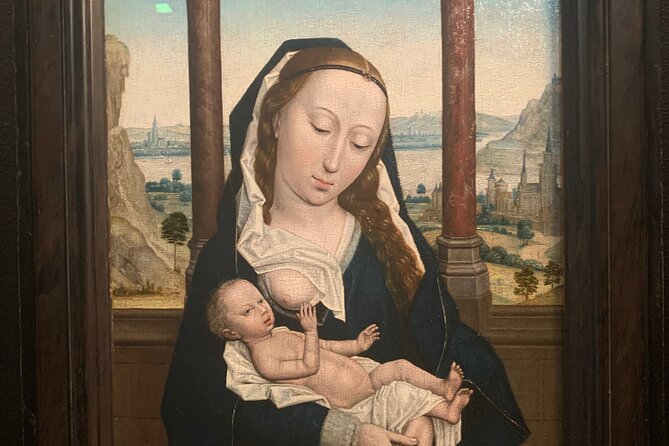
The tour includes about 30 paintings, with examples linked to artists such as Rembrandt, François Boucher, El Greco, Jan Brueghel, Tiepolo, Monet, Pissarro, Dalí, and Picasso. The exact order and selection may depend on the gallery displays, but the purpose is clear: use memorable works to explain broad changes in Western art.
More National Gallery tours:
- London: National Gallery Guided Tour with Art Expert Guide
★ 4.7 · 440 reviews - National Gallery of London Museum Tour Semi-Private 8ppl Max
★ 5.0 · 178 reviews - British Museum & National Gallery of London Semi-Private 8ppl Max
★ 5.0 · 168 reviews
Meeting Sandy at 10 am on St Kilda Road
The experience begins at 10:00 am at 200 St Kilda Road, Southbank VIC 3006, at the National Gallery of Victoria. The location is near public transportation, which makes the morning start fairly straightforward if you are staying in central Melbourne.
A 10:00 am start also gives the tour a clear shape for the rest of your day. You should finish at about 1:30 pm, although the stated duration is approximate. That leaves the afternoon open for more of the NGV, nearby Southbank, or another Melbourne activity.
Your ticket is mobile, so you do not need a printed voucher. The activity begins and ends at the same meeting point. Snacks are not provided, so plan to eat beforehand or arrange food after the tour.
The group size matters here. With a maximum of six people, the format is much more personal than a large museum walk. You can ask Sandy to explain a term, return to a point you missed, or raise a question about a painting without trying to speak over a crowd.
There is one practical catch. At least four people, including your booking and other participants, are required for the tour to run. Confirmation is sent within 48 hours of booking, subject to availability. If your date is fixed, it is sensible to allow for that condition when planning your Melbourne schedule.
Eight art movements in one three-and-a-half-hour visit
The tour covers a large span of Western art, so the value lies in the connections between the movements. You are not simply shown a series of unrelated paintings. You are given a way to notice how artistic priorities shift from one period to another.
Byzantine art provides an early point of reference. From there, the Renaissance introduces a different interest in human figures, space, and the natural world. Looking at these movements side by side can help you notice why a painting feels formal, symbolic, realistic, or theatrical.
The Renaissance is followed by Mannerism, a style known for more unusual proportions and controlled artificiality. This is the sort of distinction that can be hard to spot from a wall label alone. Sandy’s method is intended to show you what to look for in the painting itself.
The Baroque period brings drama, movement, and strong emotional effect. Rococo shifts the mood again, often toward lighter decoration and elegance. You do not have to memorize every date to benefit from the contrast. The useful skill is learning to connect a painting’s mood and visual design to its artistic period.
The route then reaches Romanticism and Realism, two movements that offer different ways of presenting people, nature, and everyday life. Impressionism rounds out the main sequence, with artists such as Monet and Pissarro helping you see the move toward changing light, color, and brushwork.
Because the tour covers so many periods, the pace may feel brisk. You will not have unlimited time with each painting, and this is not the right choice if you want a slow, private study of one or two works. It is better suited to building a broad foundation.
From Rembrandt to Picasso, the paintings do the teaching
Names are useful, but the paintings are the real center of the experience. The selection includes famous artists and gives Sandy a chance to show how different artists solve different visual problems.
Rembrandt can help you think about light, expression, and the way a painter directs your eye. El Greco offers a chance to consider elongated forms and a distinctive sense of movement. François Boucher and Tiepolo bring different examples of decorative and theatrical painting.
Jan Brueghel adds another kind of visual interest, while Monet and Pissarro connect the discussion to Impressionist color and brushwork. Dalí and Picasso bring the tour closer to modern ways of reshaping reality.
You should not expect a full course on each artist. That would require far more than one visit. Instead, you get short, useful explanations that place each painting in context and point out details you can see for yourself.
That last part matters. A good museum guide should not simply tell you that a painting is important. The guide should help you understand how the work creates its effect. Sandy’s laminated sheet is designed to support that process, giving you prompts to use during the tour and later in other galleries.
A few more gallery visits around Australia worth comparing
- Bundaberg: Brew Tasting and Self-Guided Gallery Tour
★ 4.8 · 256 reviews - Canberra: National Portrait Gallery Guided Tour
★ 3.8 · 2 reviews - Vatican Museums, Sistine Chapel & St Peter’s Basilica Guided Tour
★ 4.5 · 39,149 reviews - Paris: Louvre Guided Tour with Reserved Access & Boat Cruise
★ 4.3 · 16,353 reviews
A reusable checklist for looking at art
The handout is one of the strongest practical features. It is laminated, so it should hold up in your luggage and during future museum visits. Its purpose is to give you a short checklist for viewing and analyzing paintings.
A useful checklist changes the question from Do I like this? to What is this painting doing? You can begin with what you see, then consider how the artist has arranged the scene, what emotions or ideas are suggested, and what details point to the period or subject.
For a beginner, this structure removes some pressure. You do not need the right answer at once. You can start with an observation and build from there.
The handout also gives the tour value beyond the day itself. You pay $107.59 per person, and part of that cost goes toward guided instruction rather than simple admission or a quick explanation at a handful of paintings. If you continue using the sheet in future museums, the experience becomes a travel skill rather than a one-off gallery visit.
One participant specifically appreciated how succinct the handout was and how it summarized early Western art and the things to notice in a painting. That is a good clue about the tour’s teaching style: practical, compact, and designed to put you at ease.
Questions are welcome, and the quiz keeps it lively
Art tours can become stiff when the guide speaks for three hours and the group only listens. This experience includes time for questions, and Sandy is described as patient when explaining ideas. That matters if you are starting from scratch or feel unsure about using art terms.
The end-of-tour quiz adds a lighter finish. You can test what you remember about the movements, artists, and ways of looking at paintings. It is not presented as an exam, but it gives the session a clear ending and helps reinforce the material.
Families with children can consider this tour, especially if the children already show interest in pictures or museums. The three-and-a-half-hour length is still a serious commitment for younger children, so you should judge that against their attention span. The small group may help, but the focus remains on Western art rather than a hands-on children’s program.
The same format can work well for locals who have visited the NGV before but never felt confident reading paintings. You may recognize some works yet still gain a new way to approach them.
Is $107.59 good value?
At $107.59 per person, this is not a casual add-on for someone who only wants to stroll through the museum. The price makes more sense if you want instruction, a planned selection of works, and a method you can use after the tour.
You are paying for about three and a half hours of focused guidance, a small group of no more than six, the laminated art-analysis sheet, and the chance to ask questions throughout. The tour also saves you from spending hours deciding which rooms and paintings deserve your attention.
The value is strongest for a beginner. If you already have formal art training or regularly take museum courses, the content may feel introductory. If you often look at paintings and wonder what you are supposed to notice, the basic structure could be worth the cost.
I would also factor in the number of people in your group. For a couple or family, a maximum of six creates a more personal setting. For a solo participant, the required minimum of four means the tour may not be available on every preferred date.
The experience has a free cancellation policy if you cancel at least 24 hours before the start time. Cancellations made less than 24 hours before 10:00 am are not refunded, and changes inside that window are not accepted.
Who will get the most from this NGV experience?
I would recommend it most strongly if you fit one of these descriptions:
- You enjoy art but never learned the basic movements.
- You want to see the NGV’s major Western works without wandering at random.
- You prefer a guide who explains what to look for rather than reciting labels.
- You are visiting other galleries during your trip and want a method you can reuse.
- You like small groups and want the freedom to ask questions.
- You are a local who wants a fresh reason to spend time with the NGV collection.
You may want to skip it if you prefer to explore alone, need a very flexible schedule, or want a tour devoted to one artist or period. The movement coverage is broad, and the time with each painting is likely to be limited.
Should you book the NGV guided tour?
Book it if you want to leave the NGV with more than a list of famous artists. Sandy’s tour gives you a clear way to look at paintings, covers eight major Western art movements, and uses about 30 selected works to keep the visit focused.
The strongest reasons to go are the small six-person maximum, the practical laminated guide sheet, and the patient, beginner-friendly teaching style. The main drawbacks are the $107.59 price, the approximate three-and-a-half-hour commitment, and the minimum of four participants needed to run the tour.
For a first serious introduction to art appreciation in Melbourne, I think the structure is useful and the take-home checklist adds lasting value. If you want a quiet, unstructured museum visit, spend the money on extra time at the NGV instead. If you want to understand what you are seeing, this is the better choice.
FAQ
Where does the NGV guided tour begin?
The tour begins at the National Gallery of Victoria, 200 St Kilda Road, Southbank VIC 3006, Australia.
What time does the experience start?
The scheduled start time is 10:00 am.
How long does the tour last?
The experience lasts approximately 3 hours and 30 minutes.
How many paintings will Sandy discuss?
Sandy will show and explain about 30 of his favorite Western art paintings at the NGV.
Which art movements are included?
The tour covers Byzantine, Renaissance, Mannerism, Baroque, Rococo, Romanticism, Realism, and Impressionism.
Is the tour suitable for beginners?
Yes. The experience is designed for people who enjoy looking at paintings but want to learn simple ways to appreciate and analyze them.
What is included with the experience?
You receive a reusable laminated guide sheet explaining how to view and analyze paintings. The tour also ends with a quiz about the art covered.
How many people are required for the tour to operate?
At least four people, including your booking and other participants, are required. The maximum group size is six people.
What is the cancellation policy?
You can cancel for a full refund up to 24 hours before the experience starts. Cancellations or changes made less than 24 hours before the start time are not accepted for a refund.
Just added around Australia
- Art Tour of Melbourne★ 5.0 · 2 reviews
- Mornington Peninsula Luxury Lunch, Wine Tasting & Pt Leo Art Walk★ 4.5 · 5 reviews
- 3 Hour Outback Gourmet Food and Aboriginal Art Tour★ 5.0 · 4 reviews
- 4-Hour Outback Gourmet Food & Aboriginal Art Tour★ 4.5 · 91 reviews
- Sydney: Tickets & Tours at Art Gallery of New South Wales★ 4.8 · 5 reviews
- Sydney: Aboriginal Art Exhibition Ticket, Art Gallery of NSW★ 5.0 · 4 reviews
- Sydney Summer Art Exhibitions Art Gallery of New South Wales★ 4.0 · 16 reviews
- Darwin: 3-Hour Outback Gourmet Food & Art Tour★ 4.6 · 5 reviews
Art Museum Tours in Australia, compared.
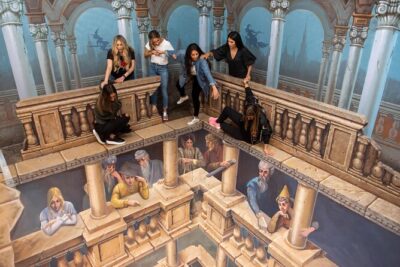

Bundaberg: Brew Tasting and Self-Guided Gallery Tour
Read our review →
ArtVo Gold Coast – Queensland’s First Trick Art Gallery
Read our review →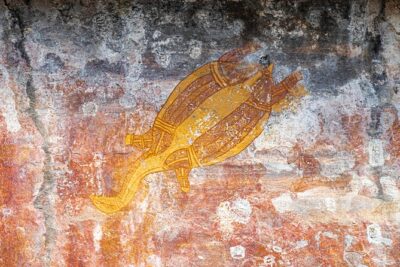
Kakadu National Park Wildlife & Ubirr Rock Art Tour from Darwin
Read our review →
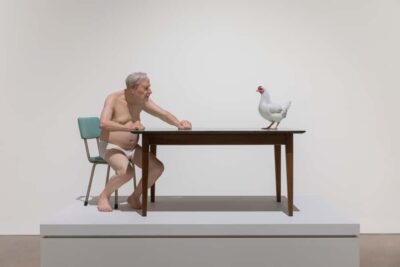
Sydney Summer Art Exhibitions Art Gallery of New South Wales
Read our review →
Tickets & Tours at Art Gallery of New South Wales
Read our review →Browse the lists this tour appears in