
REVIEW · PORTUGAL
Loulé: St. Barbara Art Collection w/Guided Salt Mine Tour
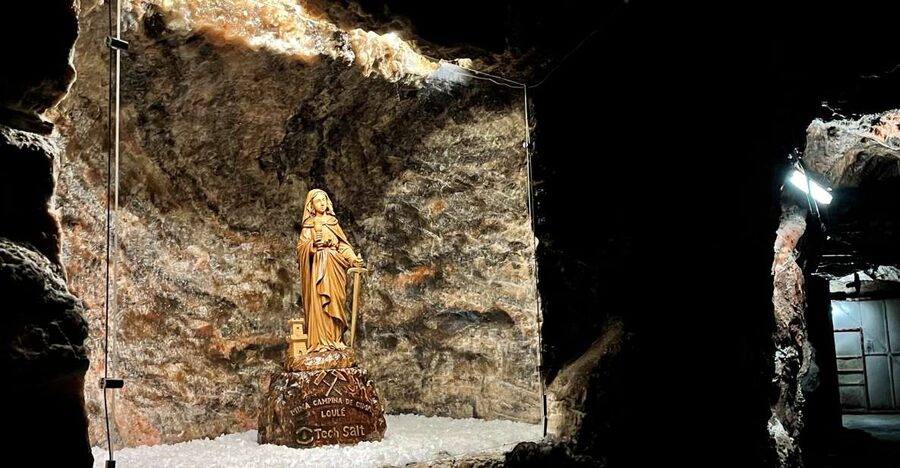
Loulé’s best surprise may be 230 meters underground, where a Saint Barbara art collection leads into huge rock-salt chambers beneath the Algarve city. This is part art visit, part geology lesson, and part mining tour, all in one 2.5 to 3 hour outing.
I like the contrast between old religious art and Klaus Zylla’s bold modern paintings. I also like the chance to see a side of the Algarve that has nothing to do with beaches: a mine with rock formations more than 230 million years old. The main drawback is the descent in a small lift cage, which can feel tight for seven people and may trouble anyone with claustrophobia.
- 230 meters below Loulé: Reach the mine by a small cage lift before entering the underground exhibits.
- Two different art experiences: See older works about Saint Barbara, then 12 colorful paintings by Klaus Zylla.
- A 1.3-kilometer mine walk: Follow a guided route through lit chambers of rock salt and ancient formations.
- Practical local context: Learn how salt mining shaped the regional economy and community.
- Good rainy-day option: The entire visit takes place underground, making it useful when Algarve weather turns wet.
- Simple but important gear: A helmet, flashlight, and reflective vest are supplied, while you should bring closed-toe shoes.
Saint Barbara Below the Streets of Loulé
Saint Barbara is the patron saint of miners, so her presence here is not a decorative add-on. The exhibition connects the working life of the mine with the beliefs and traditions of people who spent their days underground.
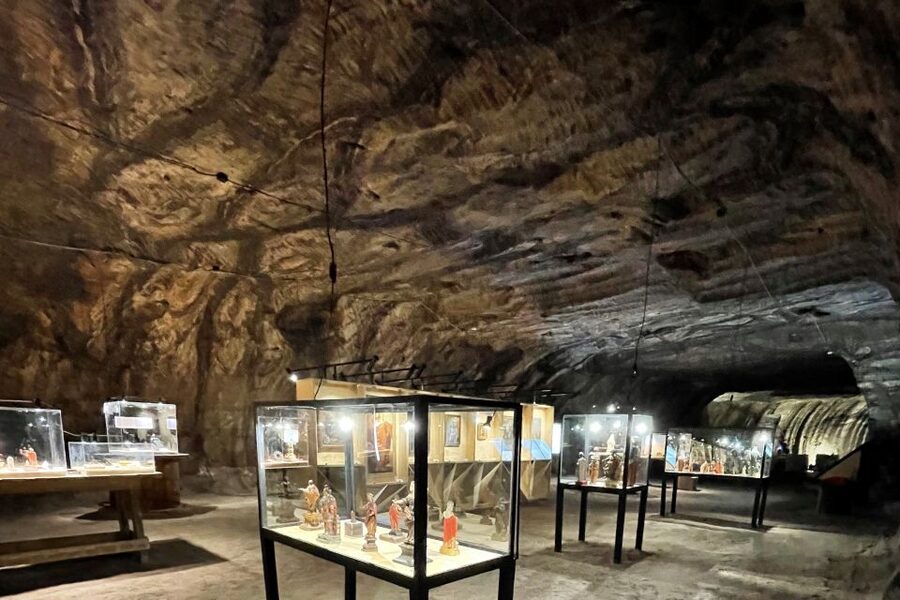
You first descend beneath Loulé and enter the art collection. Some pieces date back hundreds of years, giving you a sense of how the saint’s story has been pictured over time. Music, including miner songs, adds another layer to the visit.
You explore this part at your own pace. That matters because the art section is not just a quick corridor on the way to the mine. You have time to look at the details, listen to the music, and consider how the image of Saint Barbara has changed across different periods.
The collection is followed by a more modern interpretation. German artist Klaus Zylla presents Saint Barbara’s life through 12 paintings filled with warm colors, strong shapes, and provocative images. This second display will appeal most if you like contemporary art that leaves room for your own reading of the subject.
I would not expect a conventional museum visit here. The setting is part of the meaning. You are looking at religious and modern art in the same underground world where miners worked, rather than in a bright gallery removed from the subject.
Two Art Styles, One Underground Setting
The older works and Zylla’s paintings offer a useful contrast. The earlier pieces connect Saint Barbara to religious tradition and the long story of mining communities. The newer works give the saint’s life a less literal treatment, using shape and color instead of simply presenting a sequence of scenes.
That difference gives the art portion some variety. If one display feels too formal, the other may hold your attention more easily. The music also helps turn the visit into a sensory introduction to mining culture rather than a silent art stop.
You can visit both displays at your own pace before joining the mine walk. This is a good arrangement for people who want to study the pictures, though anyone mainly interested in geology may find the art section longer than expected.
The exhibition is also a useful reminder that mines are not only industrial sites. They can be places of faith, work, memory, and local identity. That wider view makes the later explanation of salt mining easier to understand.
A few more gallery visits around Portugal worth comparing
- Vatican Museums, Sistine Chapel & St Peter’s Basilica Guided Tour
★ 4.5 · 39,149 reviews - Paris: Louvre Guided Tour with Reserved Access & Boat Cruise
★ 4.3 · 16,353 reviews - Rome: Vatican Museums & Sistine Chapel Guided Tour
★ 4.3 · 12,117 reviews
The Small Cage Lift Down to 230 Meters
The descent is one of the most distinctive parts of the outing, and also the point that requires the most preparation. The lift cage is small, with space for about seven people, described by one participant as roughly the size of a telephone booth.
You should expect a close ride rather than a roomy elevator journey. The descent itself may be brief, but the confined space can feel challenging if you dislike tight quarters. This tour is not suitable for people with claustrophobia, and that warning deserves attention rather than a casual glance.
Once underground, the feeling changes. The mine passages and chambers are described as wide and lit, so the main walking section is not a crawl through narrow tunnels. The contrast between a cramped lift and spacious underground rooms is important: the lift may be your hardest moment if enclosed spaces bother you.
You should wear comfortable clothes and closed-toe shoes. A helmet, flashlight, and reflective vest are provided, so you do not need to bring specialist mine equipment. A camera is also listed as a useful item to bring.
Walking 1.3 Kilometers Through Rock Salt
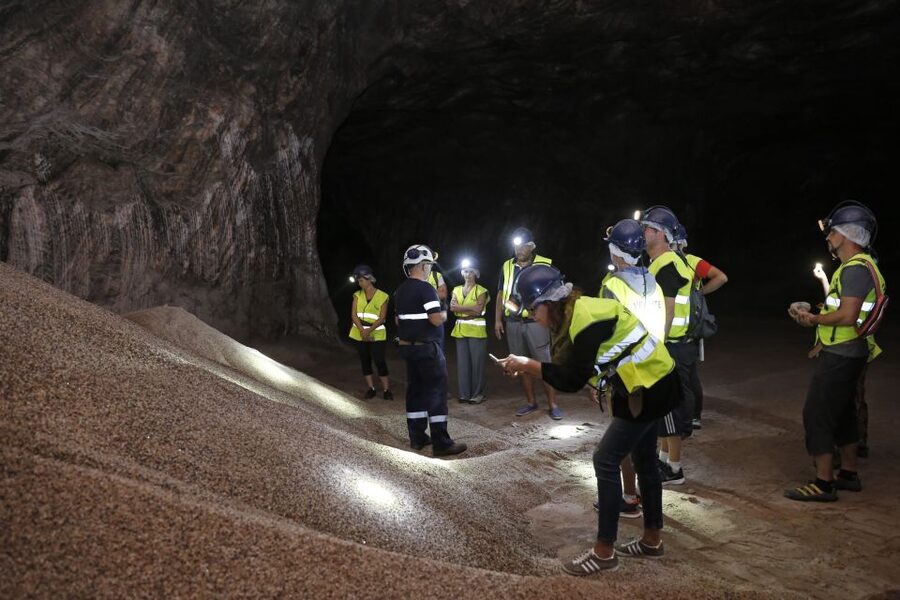
After the art visit, you put on the safety equipment and join the guided walk through the salt mine. The route covers about 1.3 kilometers, giving you enough distance to see more than a single chamber or display area.
The guide explains the regional geology, how rock salt formed, and how mining methods changed over time. You also learn why the mine matters to the local economy and how salt has played a role around the world.
That context turns the chambers into more than impressive underground scenery. You begin to see the walls as part of a natural process lasting more than 230 million years, as well as part of an industry that supported the surrounding community.
The underground rooms are large and illuminated. You can look across ancient rock formations and get a sense of the scale of the mine without needing to scramble or use technical climbing equipment. The walk is guided, so you are not left to guess which formations or mining features matter.
A good guide makes a real difference here. The most praised part of the experience is the clear, personable explanation from the guide team. The tour is offered in Portuguese and English, and the information is presented at a level that works for people who want substance without a specialist geology lecture.
What the Guide Adds to the Mine Visit
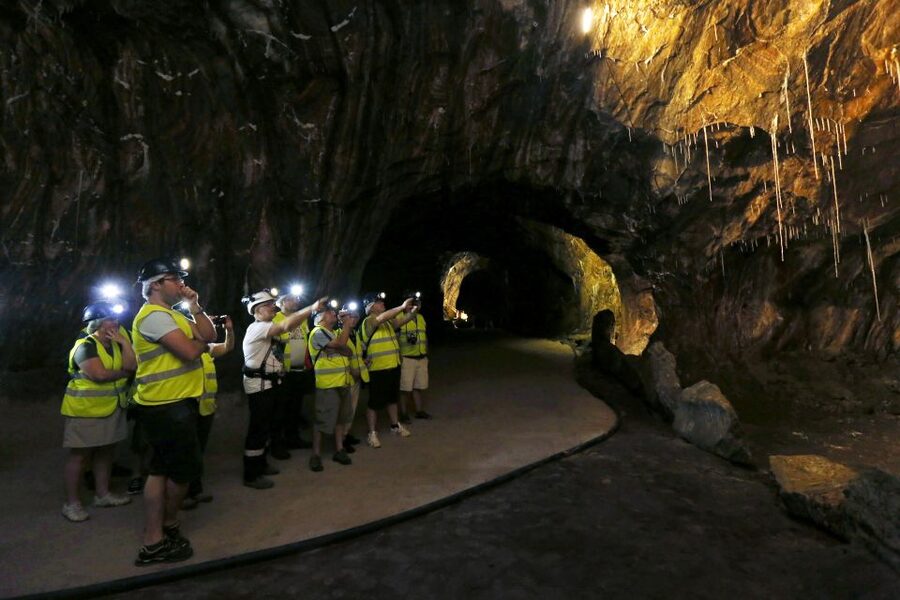
This tour depends on explanation. Salt chambers can look beautiful, but without context they may become a series of dim walls and unusual shapes. The guide connects what you see to geology, labor, economics, and daily life.
The strongest feedback focuses on guides who explain clearly and keep the subject approachable. That is useful if you are unsure how technical the tour will be. You should expect a general-interest introduction rather than an advanced course in mining science.
The experience can also feel different depending on the time of day. One visit took place around lunchtime, when the mine was especially quiet because the miners were away. That quiet may appeal to you if you want a more reflective setting, though people hoping for a lively working atmosphere should understand that the mine is not presented as a busy industrial floor at every moment.
There are no named guides supplied for this activity, but the guide service is available in English and Portuguese. If you need one of those languages, check the selected departure time when booking.
Same city, a completely different collection:
- Lisbon: MAAT Gallery and MAAT Central Entry Tickets
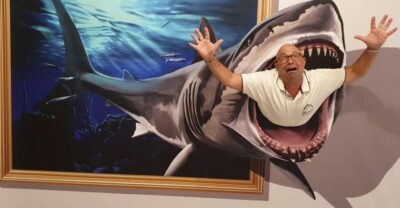
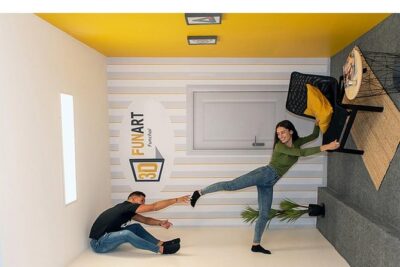
★ 4.0 · 559 reviews - Lisbon: 3D Fun Art Museum Admission Ticket
★ 4.6 · 401 reviews - Porto: 3D Fun Art Museum Porto Entry Ticket
★ 4.6 · 302 reviews - Funchal: 3D Fun Art Museum
★ 4.4 · 182 reviews
Why the $35 Price Can Make Sense
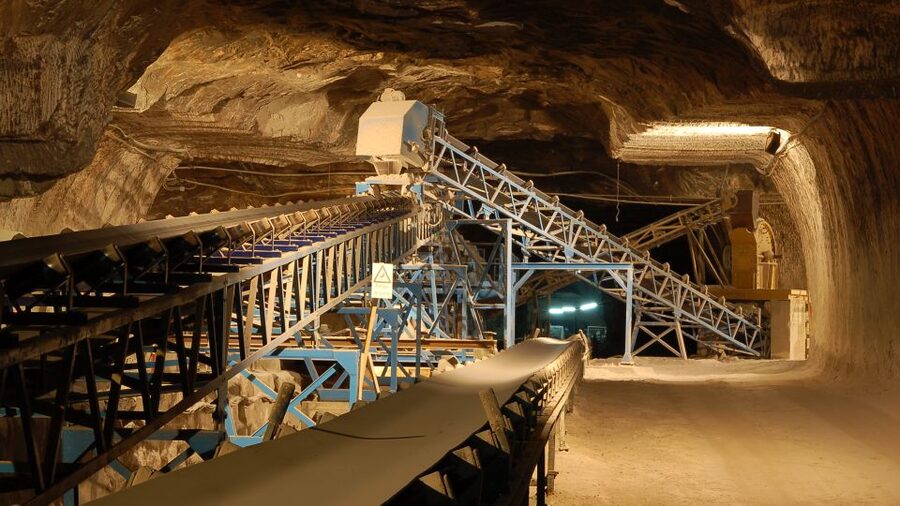
At $35 per person, the price covers both art exhibition entry and the salt mine visit, along with the live guide, helmet, flashlight, and reflective vest. You are paying for a combined cultural and industrial tour rather than a short mine photo stop.
The value is strongest if you enjoy variety. In a single outing, you get Saint Barbara’s older artistic tradition, Klaus Zylla’s 12 contemporary paintings, miner songs, a guided geological explanation, and a 1.3-kilometer underground walk.
The price may feel less attractive if you want only a quick look at the mine or have little interest in art. The exhibition is an important part of the visit, not just a minor extra. You should allow enough time to appreciate both sections.
It is also a practical choice for a rainy Algarve day. One participant specifically found it an interesting way to spend wet weather. Because much of the experience takes place below ground, it gives you a solid alternative to outdoor sightseeing without abandoning the region’s character.
The activity offers free cancellation up to 24 hours before the start time, and you can reserve now and pay later. Those options are useful if your Algarve plans depend on changing weather, but you still need to arrange your own transport and food. Hotel pickup, drop-off, meals, and drinks are not included.
Who Will Enjoy This Most
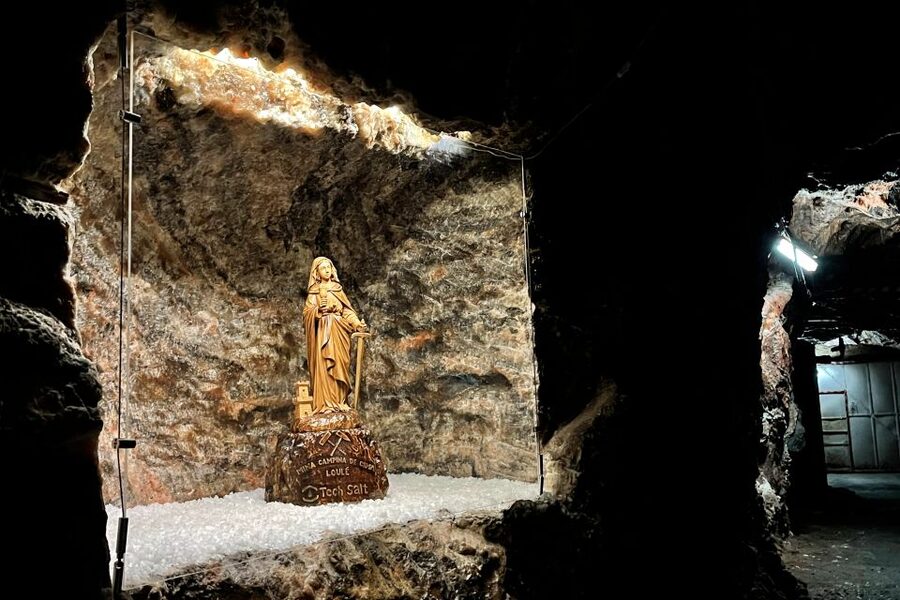
I would recommend this to adults and older children who like unusual museums, geology, industrial heritage, or local culture. It suits people who want a break from the standard Algarve route of beaches, viewpoints, and old-town streets.
It is also a good fit for anyone who enjoys guided interpretation. The guide gives the mine a human and regional context, while the art displays add something you would not get from a basic underground tour.
Families should note that children under six cannot join. Wheelchair users cannot take part, and the small lift makes the experience a poor choice for anyone uncomfortable in confined spaces.
You do not need to be a mining enthusiast. The tour is designed at an accessible level, and the combination of art, music, geology, and local industry keeps the subject varied. Still, you should be comfortable walking the 1.3-kilometer route in mine conditions while wearing the supplied safety gear.
Small Drawbacks to Plan Around
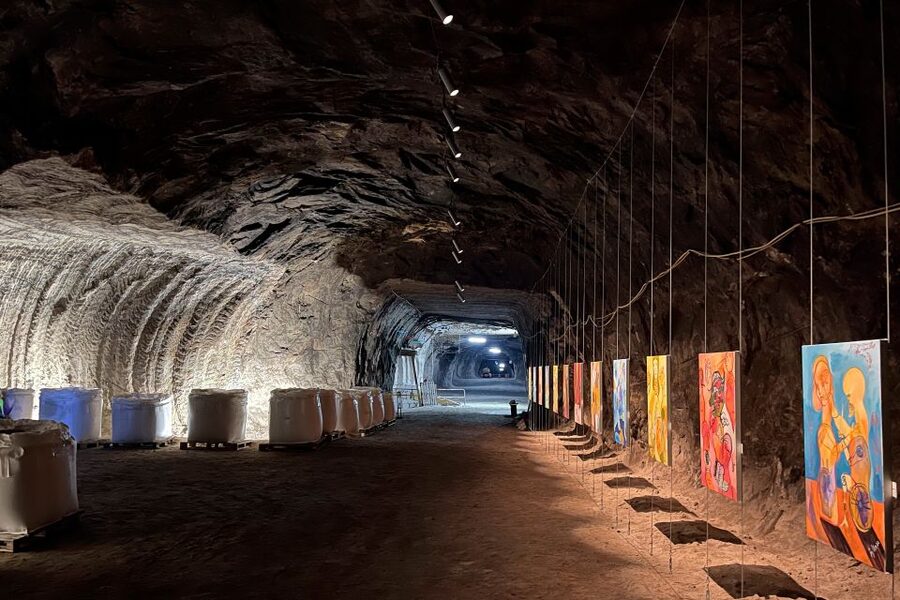
The waiting and access conditions may not feel polished. A Portuguese participant specifically suggested improvements to the waiting area and access to the mine. I would build in patience at the meeting point and avoid arriving with a rushed schedule afterward.
The lift is the clearest physical concern. The underground rooms are spacious and lit, but reaching them means entering a compact cage with several other people. If that sounds stressful, the tour is probably not the right choice, even if the mine itself would interest you.
The experience also has a fixed rhythm. You begin with the art displays, then continue to the mine walk. You cannot simply skip to the chambers and leave the rest behind without missing part of what makes this outing different.
Finally, food and drinks are not provided. The total duration is only 2.5 to 3 hours, so this is not a major problem, but you should plan any meal separately.
Practical Details Before You Go
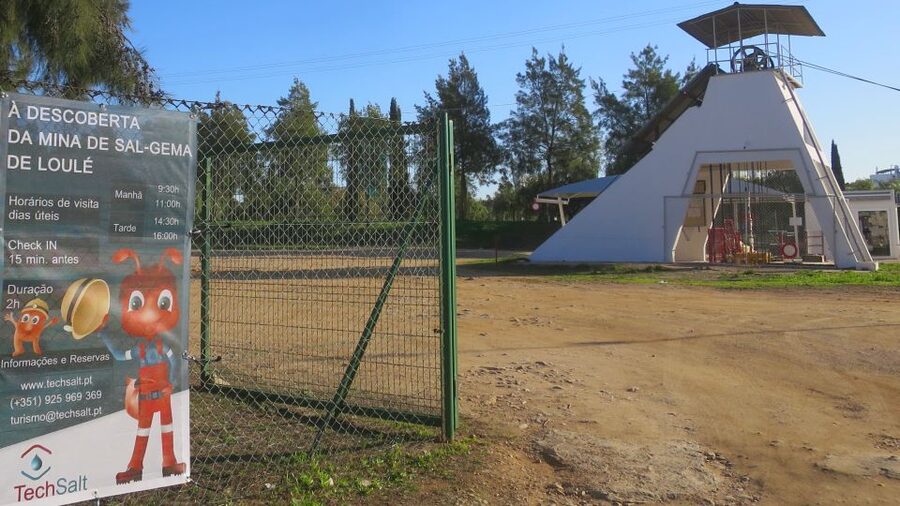
Meet at Rocksalt Mine Tour, Mina de Sal-Gema de Loulé. Hotel pickup and drop-off are not included, so you need to reach the meeting point on your own.
Wear comfortable clothes and closed-toe shoes. Bring a camera if you want photographs, though the underground setting may affect the light and atmosphere of your pictures. The mine provides a helmet, flashlight, and reflective vest.
The total visit lasts 2.5 to 3 hours. Starting times vary, so check availability for your chosen date. The live guide speaks Portuguese or English.
The activity has a 4.7 rating from 62 recorded ratings, with especially strong praise for the clear explanations and friendly guide service. That matches the design of the outing: the mine is interesting on its own, but the explanations give the chambers their meaning.
Should You Book the Loulé Salt Mine Tour?
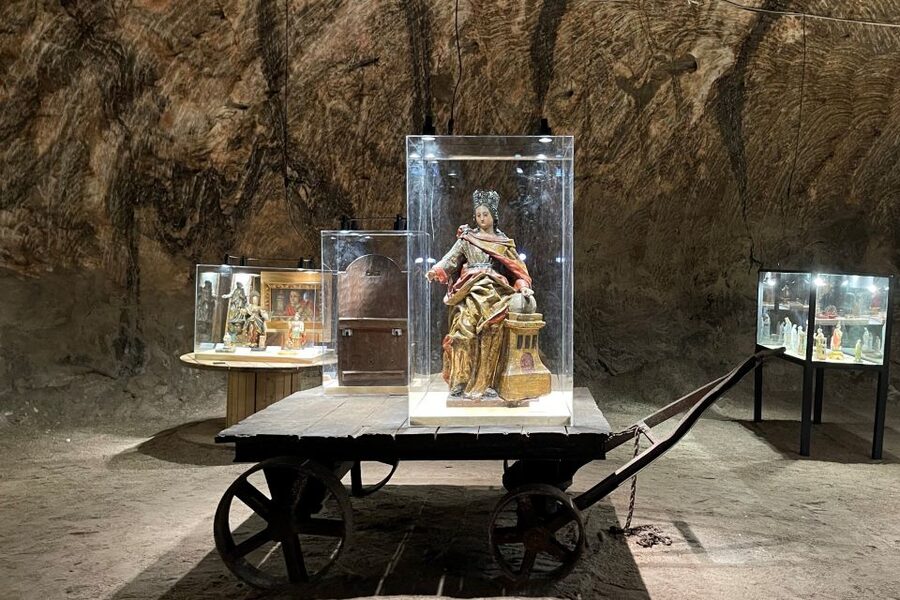
Book it if you want an unusual Algarve outing with real local character. The best reasons are the mix of Saint Barbara art and mining, the scale of the underground chambers, and the chance to learn how salt shaped Loulé’s economy and community.
Skip it if you dislike confined lifts, cannot manage a 1.3-kilometer underground walk, or want a purely outdoor activity. For everyone else, $35 buys a well-rounded half-day visit that combines art, music, geology, and working-mine history in a place few Algarve itineraries cover.
FAQ
Where does the Loulé salt mine tour meet?
Meet at Rocksalt Mine Tour, Mina de Sal-Gema de Loulé.
How long does the experience last?
The activity lasts about 2.5 to 3 hours.
How far underground does the tour go?
The mine and art exhibits are located 230 meters below the city of Loulé.
What languages are available?
The live tour guide is available in Portuguese and English.
What is included in the price?
The price includes entry to the art exhibition, entry to the salt mine, the guided mine tour, a live guide, helmet, flashlight, and reflective vest.
What should I bring?
Bring a camera, comfortable clothes, and closed-toe shoes.
Can children, wheelchair users, or people with claustrophobia join?
Children under six cannot participate. The activity is not suitable for wheelchair users or people with claustrophobia.
Just added around Portugal
- Dalí Universe Exhibition | Atkinson Museum★ 5.0 · 23 reviews
- Wine Tasting and Art Tour★ 4.5 · 42 reviews
- 3D Fun Art Museum Portimão★ 4.5 · 16 reviews
- 3D Fun Art Museum Porto Ticket★ 5.0 · 128 reviews
- Lisbon Contemporary Art Gallery Tour★ 5.0 · 16 reviews
- Painting class at an Art Gallery in Lisbon★ 5.0 · 2 reviews
- Come and discover with us the largest Urban Art gallery in Portugal★ 5.0 · 2 reviews
- Paint tiles and create unique pieces in an art gallery in Lisbon★ 5.0 · 4 reviews
Art Museum Tours in Portugal, compared.

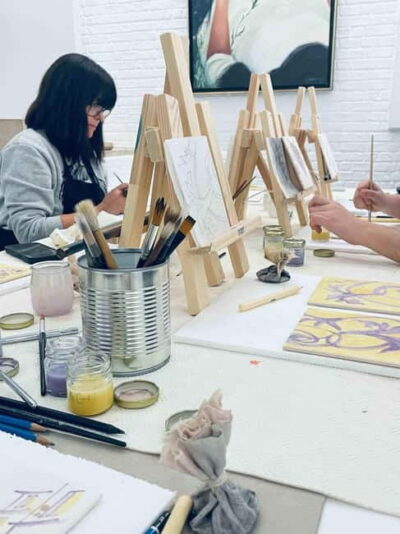
Paint your tile and create your unique piece in an art gallery in Lisbon
Read our review →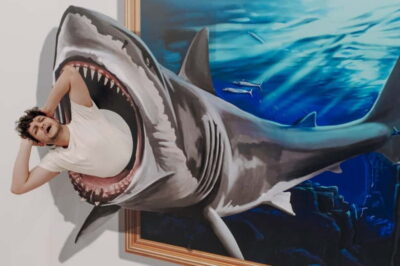
Browse the lists this tour appears in