
REVIEW · PORTUGAL
Funchal: Sacred Art Museum of Funchal Entry Ticket
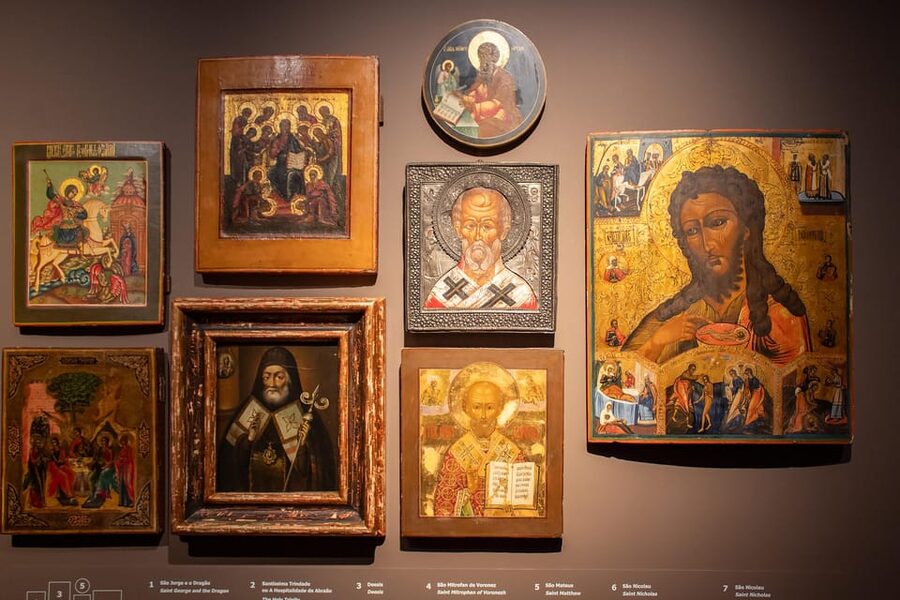
The most striking thing here is the museum’s timeline. You move through five centuries of Madeiran sacred art, from Gothic painting and sculpture to Renaissance and Baroque works. That makes the visit more than a room-by-room collection. It gives you a clear sense of how religious art changed over time.
I like the chronological layout, because it helps you read the collection without needing a specialist’s eye. I also like the building itself, especially the terrace, which offers a worthwhile view over Funchal. The main point to watch is the booking choice: the visit can be self-guided, and one booking was not guided, so select the guided option if interpretation matters to you.
Key points at a glance
- Five centuries of art: See works connected with Madeira from the 15th through the 18th century.
- Gothic to Baroque progression: Follow changes in painting and sculpture in a sensible historical order.
- More than paintings: The collection also includes sculpture, sacred silver, vestments, and other textiles.
- Two ways to visit: Explore alone at your own pace or choose a live tour in English or Portuguese.
- A terrace with a view: Allow time to appreciate the museum’s architecture and Funchal outlook.
- Short, focused stop: The listed duration is about 50 minutes, making it easy to fit into a day in central Funchal.
Five centuries inside one Funchal museum
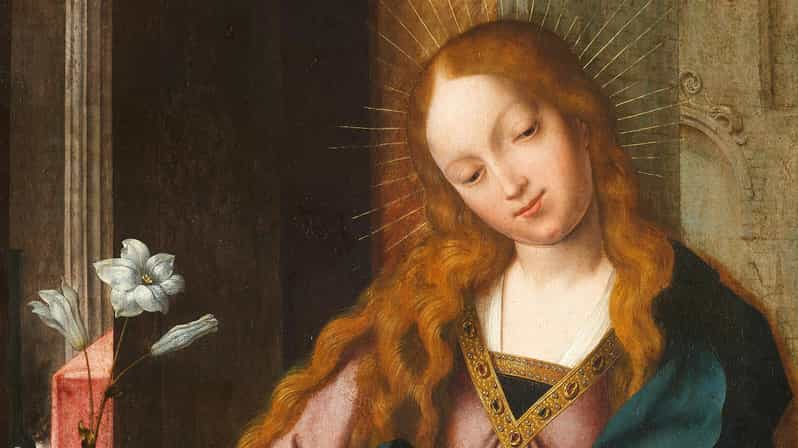
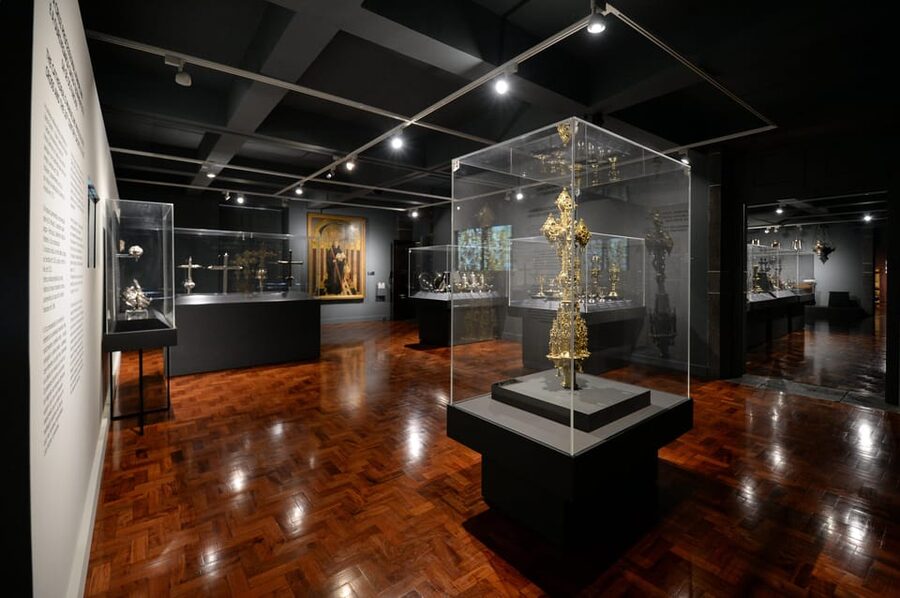
The Sacred Art Museum of Funchal offers a focused look at Madeira’s religious and artistic past. Its collection covers painting, sculpture, sacred silver, religious clothing, and other textiles. You are not simply looking at isolated objects. You are seeing how churches and religious institutions in Madeira used art and fine materials across several centuries.
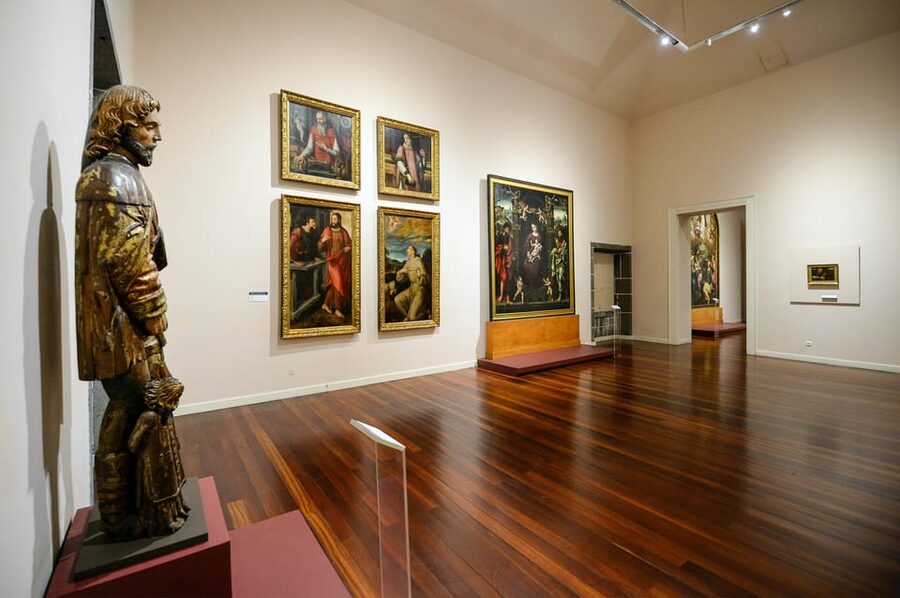
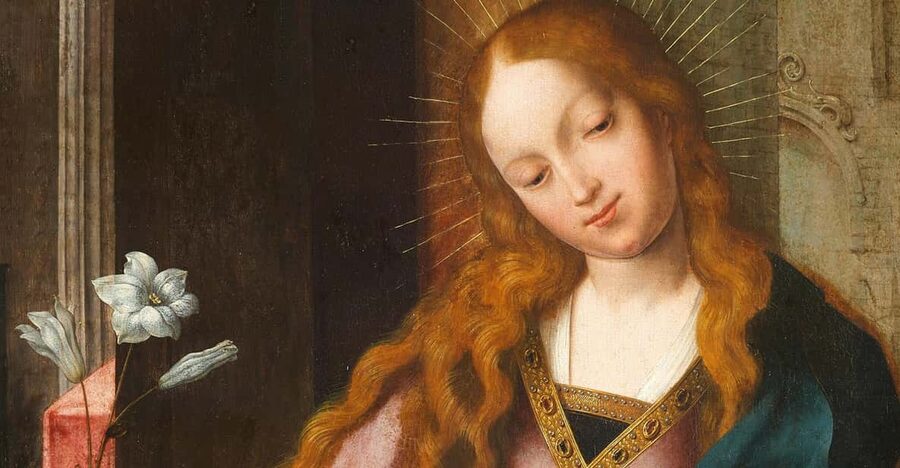
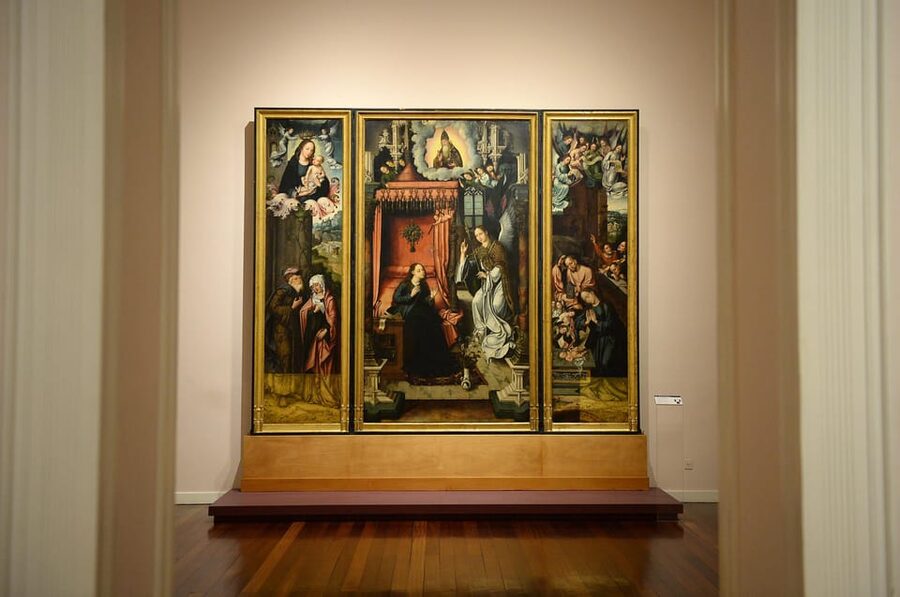
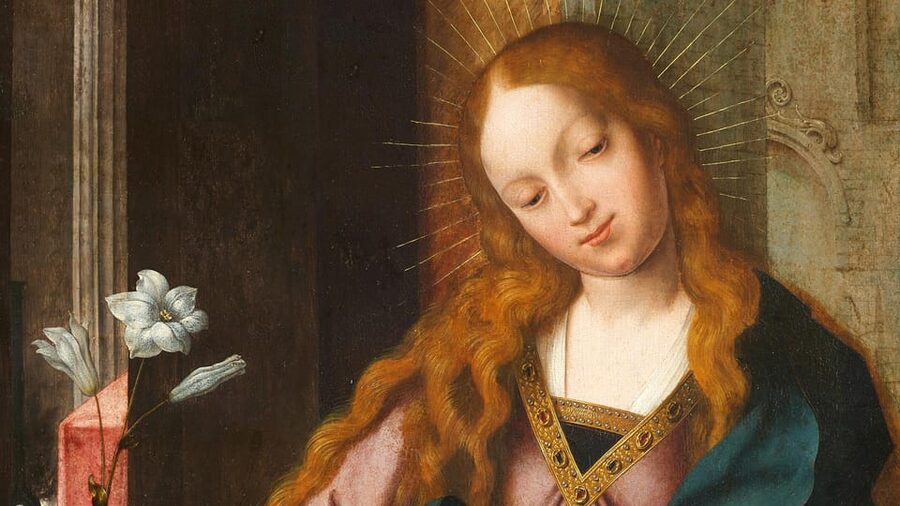
The collection of Portuguese religious painting and sculpture runs from the 15th to the 18th century. That date range gives the museum a useful shape. Early works feel different from later Baroque pieces, and the change is easier to understand when the objects are presented in sequence.
I find this kind of museum especially useful in Madeira because it adds context to the island beyond scenery and viewpoints. The collection connects local history with wider European artistic currents, including Flemish and Italian influence. You can watch those ideas filter into religious art without needing to know every artist or date in advance.
A few more gallery visits around Portugal worth comparing
- Lisbon: MAAT Gallery and MAAT Central Entry Tickets
★ 4.0 · 559 reviews - Lisbon: 3D Fun Art Museum Admission Ticket
★ 4.6 · 401 reviews - Porto: 3D Fun Art Museum Porto Entry Ticket
★ 4.6 · 302 reviews
Following the path from Gothic to Baroque
The visit follows a chronological approach. Begin with the Gothic period, then continue through the influence of Renaissance Humanism before reaching the Baroque era. The order matters. It lets you compare changes in expression, composition, and style as you move through the displays.
Gothic works can appear more formal and devotional, while later pieces reflect new Renaissance interests in human figures and expression. By the Baroque period, religious art often becomes more dramatic. The museum allows you to see those broad shifts within one compact visit.
The collection also shows that Portuguese religious art did not develop in isolation. Flemish and Italian art helped shape the visual language of the period. You might not leave able to identify every influence, but you will have a stronger sense of how European ideas reached Madeira and changed local artistic practice.
If you prefer museums with a clear story, this is a strong point. If you want a large collection with extensive modern interpretation, the 50-minute format may feel limited. The museum is best approached as a concentrated historical visit, not an all-day art marathon.
Paintings and sculpture are only the beginning
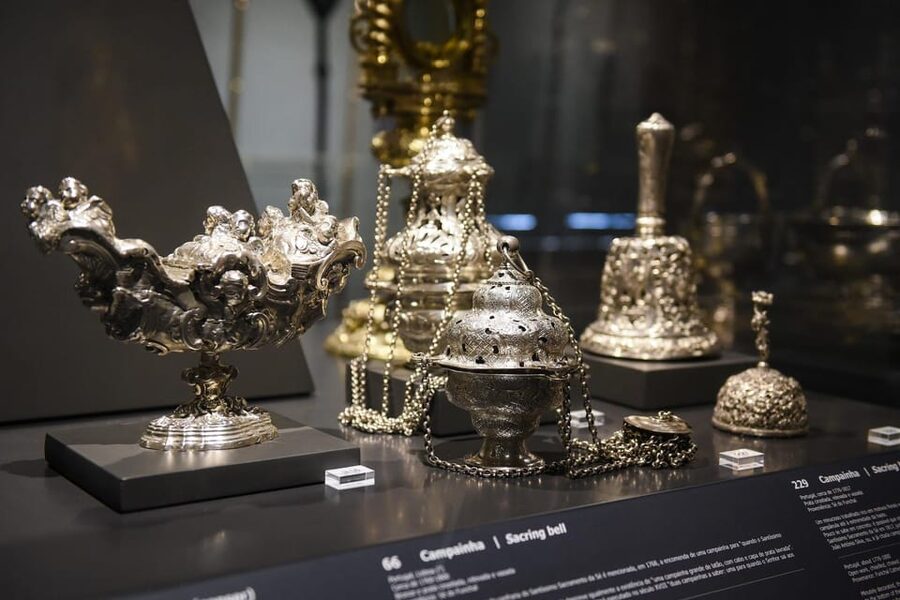
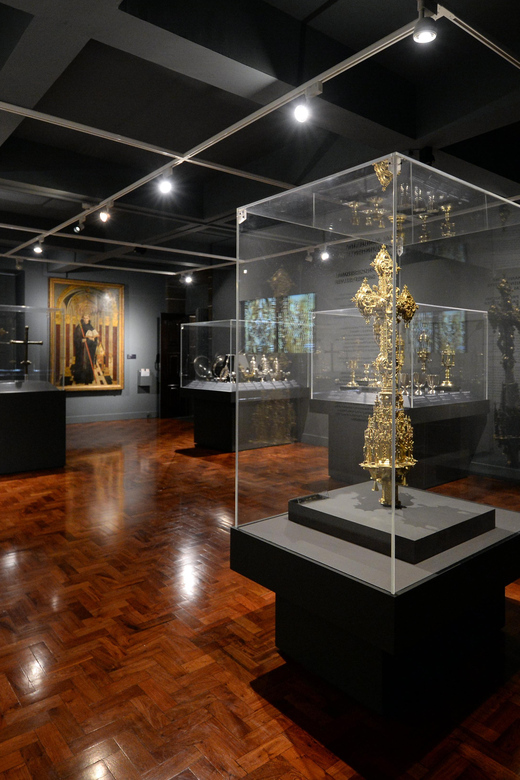
Painting and sculpture form the core of the collection, but they are not the only reason to enter. Sacred silver adds another layer, showing the value placed on religious objects used in worship. Religious vestments and textiles bring attention to materials, clothing, and ceremony.
These objects help you picture how art functioned in its original setting. A painting was not just a wall decoration. Silver and textiles also played a part in religious life. Together, the displays offer a broader view of sacred art than a collection focused only on framed pictures.
I particularly like this mix because it gives you several ways into the museum. You may be drawn to the paintings, but the sculpture, metalwork, and textiles keep the visit from feeling repetitive. The range also helps explain why the museum can appeal to people with different interests, from art students to visitors who simply want a short cultural stop in Funchal.
The available information does not identify individual artists or specific objects, so you should not expect a detailed artist-by-artist tour based on the basic entry ticket. The value lies in the period range, the variety of objects, and the overall connection to Madeira’s past.
The building and terrace add real value
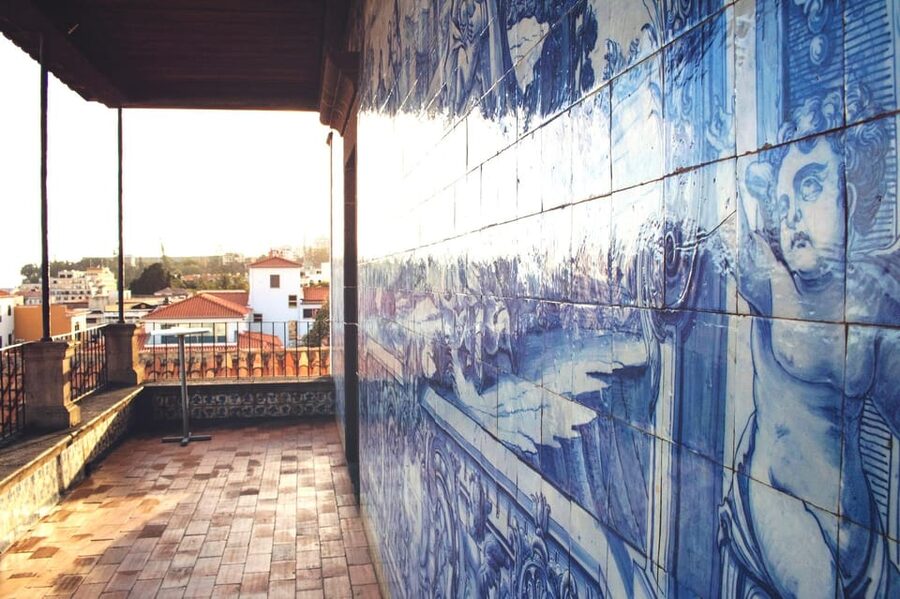
Do not rush out after the final gallery. The museum’s architecture is part of the experience, and the terrace is worth making time for. A review of the visit singled out the terrace view as a reason the admission felt worthwhile.
The exact view and terrace facilities are not described in detail, so I would treat it as a pleasant extra rather than the main reason to book. Still, it changes the rhythm of the visit. After looking closely at religious art, you get a chance to step back and take in Funchal from above.
The building also gives the collection a fitting setting. Sacred art works best when you can sense its connection to historic spaces and religious practice. Even without a long architectural explanation, the structure adds atmosphere and gives the museum more character than a plain exhibition room.
For me, this is one of the best arguments for visiting in person rather than relying on photographs or a digital collection. You get the art, the setting, and the terrace in one short stop.
Same city, a completely different collection:
- Funchal: 3D Fun Art Museum
★ 4.4 · 182 reviews - 3D Fun Art Museum Funchal
★ 5.0 · 178 reviews - 3D Fun Art Museum Porto Ticket
★ 5.0 · 128 reviews - Paint your tile and create your unique piece in an art gallery in Lisbon
★ 4.9 · 116 reviews
Self-guided or guided: choose with care
You have two visit styles. A free visit lets you explore at your own pace. This suits you if you want to pause at selected works, read what is available, and keep control of your schedule.
The guided option provides a live guide in Portuguese or English. That can make a real difference in a collection covering several centuries and outside artistic influences. A guide can help connect the Gothic, Renaissance, Flemish, Italian, and Baroque elements instead of leaving you to work out the sequence alone.
The important practical detail is that the guide is not automatic. The activity can be booked as a self-guided visit, and one recorded booking specifically noted that it was not guided. Check the option you select before paying. If you want commentary, choose the guided tour rather than assuming the entry ticket includes one.
A small-group option is available. The supplied information does not give the group size, so you should not count on a private or near-private experience. Still, a small group usually makes it easier to hear the guide and ask a question than a large tour would.
No guide’s name is provided, so there is no particular guide to request. The available guide languages are Portuguese and English.
Is 50 minutes enough?
The stated duration is 50 minutes. That is enough for a focused look at the collection, especially if you follow the displays in order and avoid trying to study every object at length.
A self-guided visit can be shorter or longer in practice, depending on your pace. The 50-minute estimate works well as a planning figure, not a strict limit. If you read every label or have a strong interest in religious art, you may want more time. If you are fitting the museum between other Funchal sights, the compact format is helpful.
A guided visit should give you a structured overview within the same general time frame. The main benefit is not simply extra minutes. It is having someone explain why the works are arranged as they are and point out changes you might miss on your own.
You could pair this museum with other central Funchal sightseeing, but no transport or combination itinerary is included in the activity details. Plan it as an individual museum visit rather than expecting transfers or additional attractions.
What the $11 admission is buying you
At $11 per person, the ticket is reasonably priced for a specialized museum with a collection spanning five centuries. You are paying for access to painting, sculpture, silver, textiles, and the historic building, not just one temporary display.
The value is strongest if you enjoy art, religious history, architecture, or short cultural visits. It is also a practical choice when the weather is poor or you want a break from outdoor sightseeing. The terrace adds another small benefit, especially if you appreciate city views.
The price is less compelling if you are looking for a major blockbuster museum or a long guided experience. The visit is compact, and the basic ticket may be self-guided. Residents of Madeira have access to reduced prices that are not available through this booking, so residents should check local admission options instead.
A guided tour is included only if that option is selected. If expert explanation is important to you, the extra cost, if applicable to the selected booking, should be weighed against the benefit of having the collection explained in English or Portuguese.
Who will get the most from this visit?
This museum suits you if you like to understand the places you visit rather than only photograph them. The collection links Madeira with Portuguese and wider European art, giving you cultural context in a manageable format.
It is a good match for:
- Art lovers who want to compare Gothic, Renaissance, and Baroque styles.
- History-minded visitors interested in five centuries of Madeira.
- Architecture fans who enjoy historic buildings and terraces.
- Visitors with less than an hour for a cultural stop.
- People who prefer a self-guided museum at their own pace.
- Visitors who want an English or Portuguese explanation through a live guide.
It may be less suitable if religious art does not interest you or if you want a large museum with many modern works. The collection is focused, and the subject matter is clearly connected to Christian worship and Portuguese religious culture.
Practical booking advice before you go
The activity offers free cancellation up to 24 hours before the scheduled visit, with a full refund. It also allows you to reserve now and pay later, which helps if your Funchal plans may change.
Check the starting time options when booking. The duration is listed as 50 minutes, but the available start times can vary. Most important, confirm whether you selected the free visit or the guided option. The wording can make both sound like part of the same experience, but they are separate choices.
English and Portuguese are the listed guide languages. Small-group availability is offered, though no exact group size is given. If you need a specific language or want a guided explanation, confirm the selected option before finalizing the reservation.
Should you book the Sacred Art Museum of Funchal?
Book it if you want a short, well-focused look at Madeira’s artistic and religious past. The chronological route, varied collection, building, and terrace make the $11 admission good value for a cultural stop in Funchal.
Choose the guided option if you want the Gothic-to-Baroque story explained rather than simply viewed. Choose self-guided if you prefer freedom and need to keep the visit flexible. Skip it if your interests lie mainly in modern art, outdoor scenery, or large museums.
The best reason to go is the combination of scope and size. You can see five centuries of painting, sculpture, silver, and textiles without giving up half a day. Just make one careful booking decision: entry does not automatically mean guided tour.
FAQ
How much does entry to the Sacred Art Museum of Funchal cost?
The listed price is $11 per person. Residents of Madeira have access to reduced prices that are not available through this booking.
How long does the visit last?
The listed duration is 50 minutes. You can visit at your own pace, so the actual time may vary.
Is a guided tour included with admission?
A guided tour is included only if you select the guided option. A free self-guided visit is also available.
What languages are available for the guided tour?
The live guide is available in Portuguese and English.
What does the museum collection include?
The museum includes Portuguese religious painting and sculpture, sacred silver, religious vestments, and other textiles from five centuries of Madeira’s history.
Can I cancel my booking for a refund?
Yes. You can cancel up to 24 hours in advance for a full refund.
Can I reserve now and pay later?
Yes. The activity allows you to reserve your spot and pay later.
Just added around Portugal
- Dalí Universe Exhibition | Atkinson Museum★ 5.0 · 23 reviews
- Wine Tasting and Art Tour★ 4.5 · 42 reviews
- 3D Fun Art Museum Portimão★ 4.5 · 16 reviews
- 3D Fun Art Museum Porto Ticket★ 5.0 · 128 reviews
- Lisbon Contemporary Art Gallery Tour★ 5.0 · 16 reviews
- Painting class at an Art Gallery in Lisbon★ 5.0 · 2 reviews
- Come and discover with us the largest Urban Art gallery in Portugal★ 5.0 · 2 reviews
- Paint tiles and create unique pieces in an art gallery in Lisbon★ 5.0 · 4 reviews
Art Museum Tours in Portugal, compared.





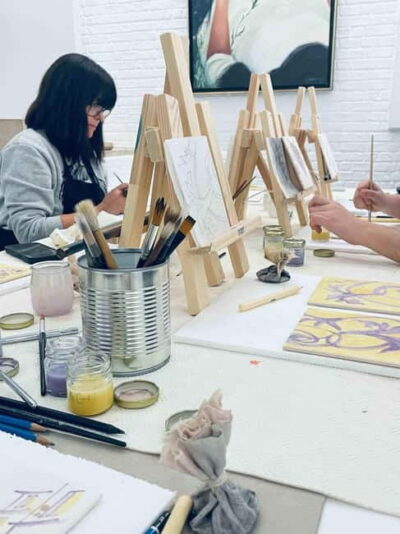
Paint your tile and create your unique piece in an art gallery in Lisbon
Read our review →
Browse the lists this tour appears in