
REVIEW · AMSTERDAM
Museum Villa – Amsterdams new contemporary art museum
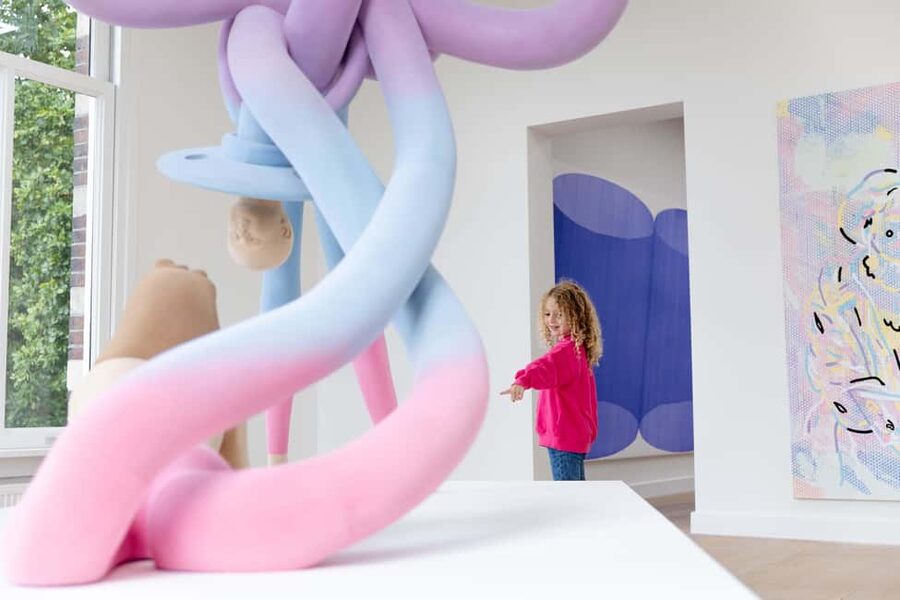
Amsterdam’s Museum Villa puts contemporary art inside the former engineer’s home at the Westergas site. Instead of moving through vast white galleries, you pass through 12 distinct rooms, each with its own mood, artwork, and small surprise.
I like the way the building remains part of the experience, with high ceilings, sturdy proportions, and restored domestic details. I also like the focus on artists such as Elsemarijn Bruys and Levi van Veluw, whose work asks you to look, listen, and notice how the room changes your perception.
The main drawback is access: the monumental house can only be reached by stairs. That makes Museum Villa unsuitable for wheelchair users, people using walkers, and strollers, so check this point carefully before booking.
Key points at a glance
- A former gasworks engineer’s home: Museum Villa occupies the historic Ingenieurswoning at Amsterdam’s Westergas site.
- Twelve rooms, fifteen artworks: Each space gives one or more contemporary works room to make an impression.
- Artists to watch: See work by Elsemarijn Bruys, Levi van Veluw, Folkert de Jong, and Max Siedentopf.
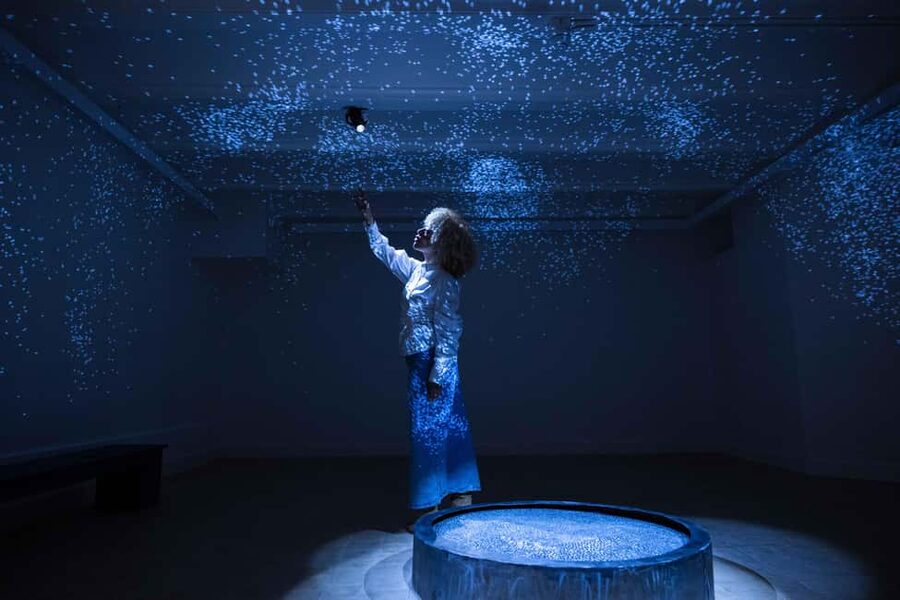
- Art with a playful side: Expect light, sound, sensory effects, humor, sculpture, and installations that reward close looking.
- A family-friendly touch: Children can follow a treasure hunt while adults take in the exhibition.
- Small and personal: The compact setting suits anyone who finds giant museums tiring or impersonal.
A house that changes how you see contemporary art

Museum Villa works because it does not ask you to separate the building from the art. The Ingenieurswoning was once the residence of the engineer responsible for the old gasworks. Its design is solid and practical, with high ceilings and generous rooms that still suggest the importance of the original occupant.
The restoration keeps that character while adding warmth. You are not entering a bare exhibition hall. You are entering a house with a clear sense of structure, then finding contemporary art placed into that setting. The contrast gives the works more personality. A sculpture can feel stranger in a former home than it would in a large modern gallery, while a light or sound installation can make an ordinary room feel newly unfamiliar.
I especially like this approach for visitors who want art to feel approachable. The museum presents contemporary work without making you feel that you need a degree in art history before looking around. The rooms provide a clear starting point, and you can respond to each piece in your own way.
This is also why the visit feels different from a major Amsterdam museum. The scale is modest, and the route is easy to grasp. You can slow down, look closely, and give each room proper attention instead of racing through several floors.
More Art Museum Tours in Amsterdam
- Amsterdam: Rijksmuseum Entry Ticket
★ 4.7 · 29,512 reviews - Amsterdam: Van Gogh Museum Ticket and City Canal Cruise
★ 4.6 · 3,899 reviews - Amsterdam: Van Gogh Museum Ticket & Canal Cruise
★ 4.5 · 3,304 reviews
Moving through 12 rooms at your own pace
The visit unfolds through 12 rooms, each shaped around the art inside it. There is no long list of famous names to chase and no huge collection that demands hours of walking. Instead, you move from room to room, with each space offering a new visual or sensory idea.
That layout gives the experience a natural rhythm. One room may focus on sculpture, another on light, another on sound or a more playful use of everyday objects. The point is not simply to check off fifteen artworks. It is to notice how the house, the materials, and your own movement affect what you see.
You might find yourself looking at a work from several angles, listening for changes in sound, or standing still while an installation alters your sense of space. Some pieces are designed to reveal more when you move closer. Others rely on surprise or humor, so the first impression is not always the final one.
The compact route is useful if you have only part of a day in Amsterdam. The ticket is valid for one day, and the activity is not presented as a timed tour with a rigid schedule. You can plan it as a focused art stop at Westergas rather than giving up an entire day to a large museum complex.
The artists behind the experience
Museum Villa gives special attention to newer and less familiar contemporary artists. That matters because the visit is not built only around names you may already know. You are being introduced to artists whose work may become more familiar over time.
Elsemarijn Bruys works with perception and space. Her sculptures and installations are made to be felt through movement, so you may notice that the piece changes as you walk around it or shift your viewpoint. Her work suits the house well because the rooms are close enough to make your own position part of the experience.
Levi van Veluw creates a more inward world, using light, memory, and symmetry. His work can bring a quiet intensity to a room. If you enjoy art that rewards patience and close attention, allow yourself time here rather than making a quick pass.
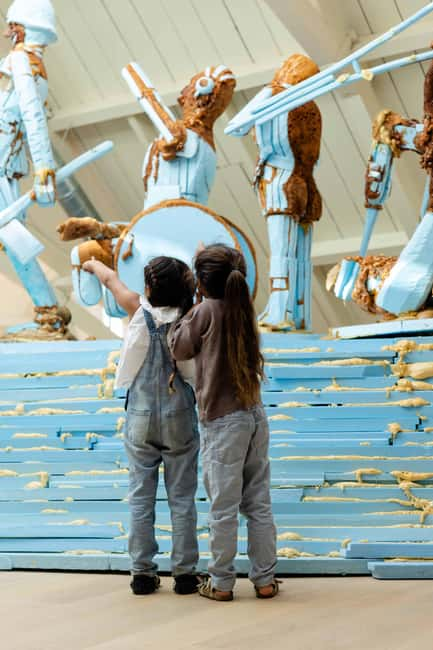
Folkert de Jong is represented through large-scale, uncanny scenes. His work can draw you in while also making you pause and question what you are seeing. The former home gives these pieces an unusual setting, especially when their size and mood contrast with the domestic surroundings.
Max Siedentopf brings humor and surprise, often using everyday objects in unexpected ways. His work offers a welcome change of tone if you have just spent time with something solemn or abstract. It also helps show that contemporary art can be playful without being shallow.
The exhibition includes other artists as well, but these four give you a useful sense of the range. You can expect a mix of sculpture, installation, light, sound, humor, and sensory effects rather than one fixed style.
Why the building matters as much as the art
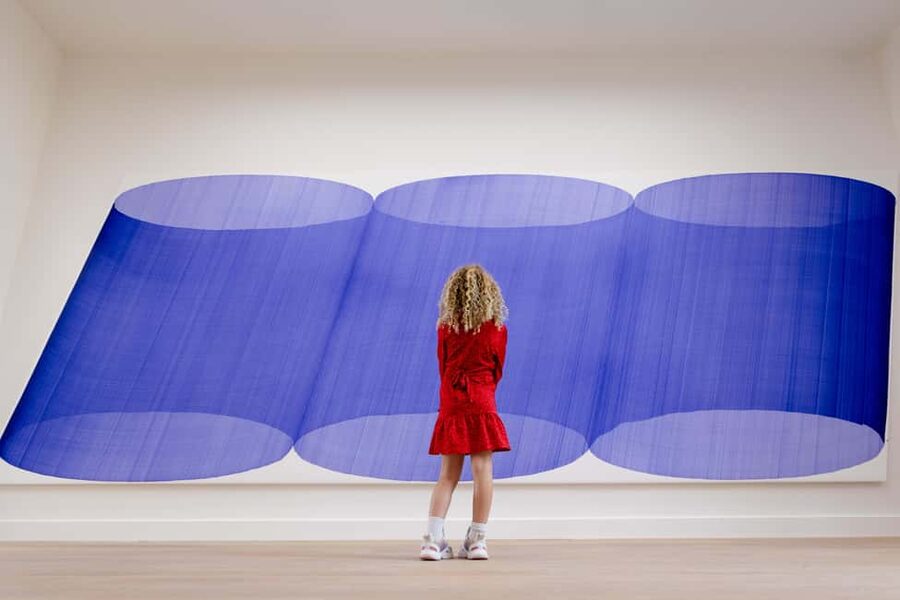
The Ingenieurswoning has a strong physical presence. Its former role at the gasworks site is reflected in the robust structure, but the restored rooms are not cold or industrial. High ceilings and broad proportions make the house feel important, while the domestic scale keeps the visit comfortable.
That balance is one of Museum Villa’s best qualities. In a giant gallery, the building can disappear behind the collection. Here, the walls, doorways, ceilings, and room sizes help shape your response. You are constantly aware that the artwork has been placed in a real historic house, not in a neutral box.
The Westergas setting adds another layer. The building sits in a park, and its location gives you a chance to combine art with time outdoors. It is also close to Amsterdam’s center and train station according to the available visitor information, making it a practical stop when you want something away from the busiest central streets.
I would not choose Museum Villa as a substitute for Amsterdam’s major museums if you want a broad survey of Dutch art or a large collection of famous masterpieces. Choose it for a focused contemporary art experience in a memorable building.
More modern and contemporary art in Amsterdam:
- NYC: Museum of Modern Art (MoMA) Entry Ticket
★ 4.6 · 12,540 reviews - Official tickets: Moco Modern & Contemporary Art Museum
★ 4.5 · 1,157 reviews - NYC: MoMA Before-Hours Tour with Art Expert
★ 4.8 · 418 reviews - London: Tickets for Moco Modern & Contemporary Art Museum
★ 4.7 · 391 reviews
A small museum with room for surprise
The small scale is not just a matter of size. It changes how you spend your time. You are less likely to feel hurried, and the 12-room layout makes it easier to pause at a work that catches your attention.
Each room has a clear identity, so the experience feels varied without becoming confusing. One installation may play with light and sound, while another invites you to study a sculpture close up. The changes keep the visit moving, but the house provides enough continuity to hold everything together.
I find this format useful for mixed groups. A committed art lover can spend time examining materials and composition, while someone less familiar with contemporary art can respond to the physical effect, humor, or oddness of a piece. You do not need to agree on which artwork is best. The point is to notice what gets a reaction from you.
The museum’s presentation also avoids treating contemporary art as something distant or overly serious. Some rooms may puzzle you, but the setting and range give you several ways into the exhibition. A piece that seems strange at first may become the one you remember later.
Bringing children to Museum Villa

Families get a practical extra: a kids treasure hunt. That gives children a task as they move through the rooms, which can help them stay engaged in an exhibition built around looking carefully.
The sensory installations may also appeal to children because they involve more than a standard framed object on a wall. Light, sound, movement, and unusual materials create natural prompts for questions and conversation.
You will still need to supervise children, especially around installations and sculptures. The museum is small, so you can remain close while allowing children to discover details for themselves. I would present the visit as a hunt for odd shapes, surprising objects, and changes in light rather than as a formal art lesson.
The building’s stairs are an important family consideration. Strollers cannot be used for access, so plan accordingly. Families with a child who cannot manage stairs independently should contact the museum before booking, since the building is not accessible to everyone.
Is $21 a fair price?
At $21 per person, Museum Villa is priced as a special-interest museum visit rather than a quick free gallery stop. The value depends on what you want from a contemporary art experience.
I think the price makes sense if you appreciate a focused exhibition with a strong setting. You are paying for access to a restored historic house, 12 art-filled rooms, fifteen state-of-the-art works, and a small-scale format that lets you look without the pressure of a major institution.
The ticket is less compelling if you want a full day of art or a large collection. Museum Villa is designed around a compact visit, and its strength is concentration rather than quantity. You are not buying an encyclopedic museum ticket. You are buying a carefully paced encounter with selected contemporary works in an unusual Amsterdam building.
The ability to reserve now and pay later adds flexibility to your plans. You can also cancel up to 24 hours before the visit for a full refund. Those policies are useful if your Amsterdam schedule is still shifting.
Who will enjoy this experience most?
I would recommend Museum Villa to you if you like contemporary art but prefer smaller venues to huge museums. It is a good match for anyone curious about artists who are still building their reputation, especially if you enjoy work that involves light, sound, movement, humor, or sensory effects.
It also suits repeat visitors to Amsterdam. If you have already spent time around the city center’s most famous museums, Westergas offers a different setting and a more local-feeling outing. The park location gives you a break from the busiest tourist routes without taking you far from the center.
Families can make good use of the treasure hunt, and couples or solo visitors may enjoy the quiet room-by-room pace. The museum is also a sensible choice if you have one open day and want a clear, manageable art stop rather than a large institution that can consume several hours.
I would be cautious if you dislike contemporary art that leaves room for interpretation. Some works are meant to surprise or unsettle rather than explain themselves. I would also choose another activity if stairs create a problem for you or anyone in your group.
Planning your visit at Westergas

Museum Villa is located at the Westergas site in North Holland, in the Amsterdam area. The setting in a park makes it easy to pair the museum with a walk outdoors, and its reported proximity to the train station and city center helps keep the visit practical.
The activity is available in Dutch and English, with a host or greeter in those languages. You do not need a guided lecture to understand the basic structure, since the rooms provide the route, but language support is available if you need help at the museum.
Leave large bags and luggage behind. Pets are not allowed, although assistance dogs are permitted. This is worth planning for if you are arriving directly from a train or airport connection with substantial luggage.
The building is reached only by stairs. It is not suitable for wheelchair users, people using walkers, or strollers. If you cannot visit independently, a free companion ticket is available, but you should still confirm the arrangements before your visit.
Should you book Museum Villa?
Book it if you want a small, personal contemporary art museum with a memorable setting and a mix of sensory, playful, and thought-provoking work. The former gasworks engineer’s house gives the visit character, while artists such as Bruys, van Veluw, de Jong, and Siedentopf provide plenty of variety.
Skip it if your priority is a large collection, famous historic masterpieces, or step-free access. For everyone else, $21 is a reasonable price for a compact art experience that feels distinct from Amsterdam’s biggest museums. Give yourself time to wander, look twice, and let the rooms do some of the storytelling.
FAQ
Where is Museum Villa located?
Museum Villa is located at the Westergas site in Amsterdam, in North Holland. It occupies the Ingenieurswoning, the former residence of the engineer for the old gasworks.
How many rooms are included?
Your ticket includes access to 12 rooms transformed for contemporary art.
How many artworks are on display?
The experience features 15 state-of-the-art contemporary artworks.
Which artists can I see at Museum Villa?
The exhibition includes work by Elsemarijn Bruys, Levi van Veluw, Folkert de Jong, and Max Siedentopf, along with other contemporary artists.
Is Museum Villa suitable for children?
Yes. A kids treasure hunt is included, and the museum features sensory art installations. Children should still be supervised around the artworks.
Is the museum wheelchair accessible?
No. The museum can only be reached by stairs and is not suitable for wheelchair users, people using walkers, or strollers.
Are large bags or luggage allowed?
No. Luggage and large bags are not allowed inside.
Are pets allowed?
Pets are not allowed. Assistance dogs are permitted.
What languages are available?
The host or greeter can speak Dutch or English.
Just added around Amsterdam
- Small Group Tour to NP Hoge Veluwe (van Gogh) from Amsterdam★ 5.0 · 19 reviews
- Van Gogh and Rembrandt Immersive Experience Entry Amsterdam★ 4.0 · 2 reviews
- Van Gogh Museum Guided Visit Including Tickets★ 4.5 · 9 reviews
- Van Gogh Museum Tour excluding Entrance Tickets★ 5.0 · 16 reviews
- Van Gogh Museum with Audio Guide★ 3.5 · 80 reviews
- Van Gogh Museum, Small Group Tour (incl timed entry tickets)★ 5.0 · 5 reviews
- Van Gogh Museum Entry Ticket and Guided Tour★ 4.5 · 48 reviews
- Amsterdam: Explore the Van Gogh Museum & His Masterpieces★ 3.5 · 64 reviews
Art Museum Tours in Amsterdam, compared.




Van Gogh Museum Amsterdam Exclusive Tour w/ Reserved Entry
Read our review →
Rijksmuseum Amsterdam Small-Group Tour with Private Upgrade
Read our review →
Van Gogh Museum Tour Reserved Entry Semi Private
Read our review →
Rijksmuseum Entry Ticket and Canal Cruise Combo
Read our review →Browse the lists this tour appears in