
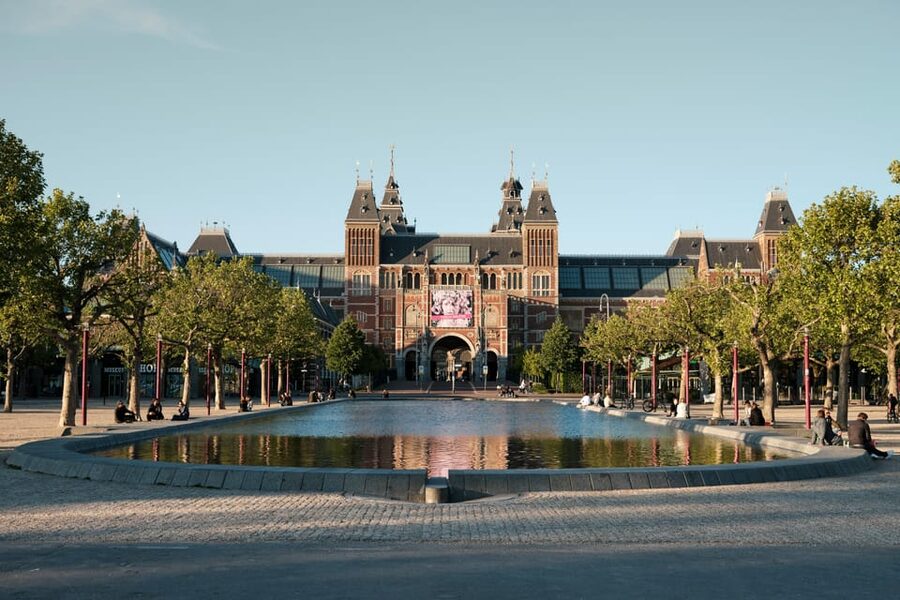
REVIEW · AMSTERDAM
The Rijksmuseum Tour: Small Guided Group with Museum Entry
The best reason to tour the Rijksmuseum with a guide is simple: the collection is huge, and the paintings make more sense when someone connects them to the events around them. This two-hour visit follows Dutch art from medieval upheaval through independence, the Golden Age, Enlightenment, and decline.
I like the small group of up to 10 people, which should make it easier to hear the guide and ask questions. I also like that your ticket is included, so you can meet outside at Paulus Potterstraat 1 and get started without sorting out museum entry on your own.
The main drawback is the fixed two-hour format. The Rijksmuseum holds far more than any short visit can cover, so this is best for a focused introduction, not a complete survey of every gallery. You’ll also be walking and standing, so wear comfortable shoes.
Key points to know before you book
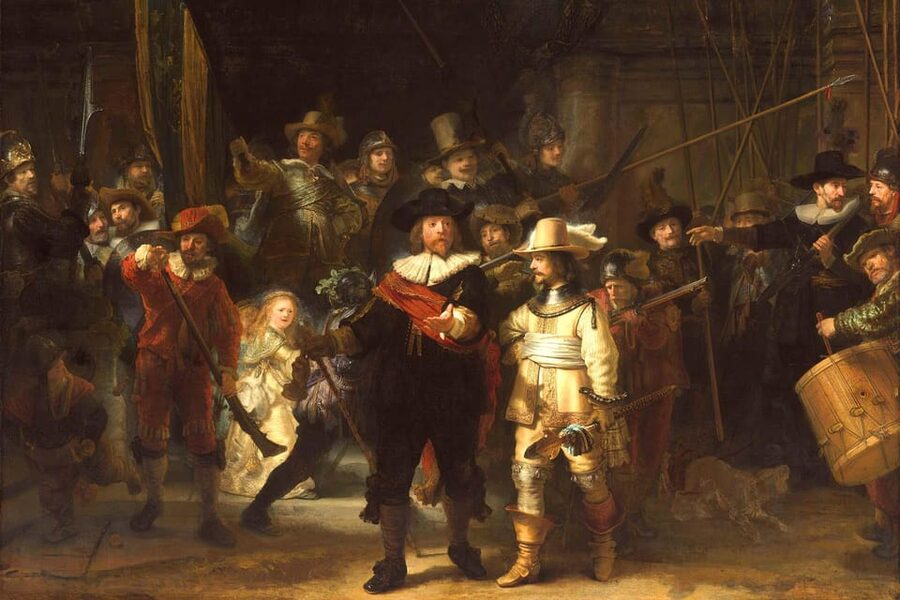
- A history-led route: The guide explains how Dutch art developed alongside plague, independence, the Golden Age, Enlightenment, and political change.
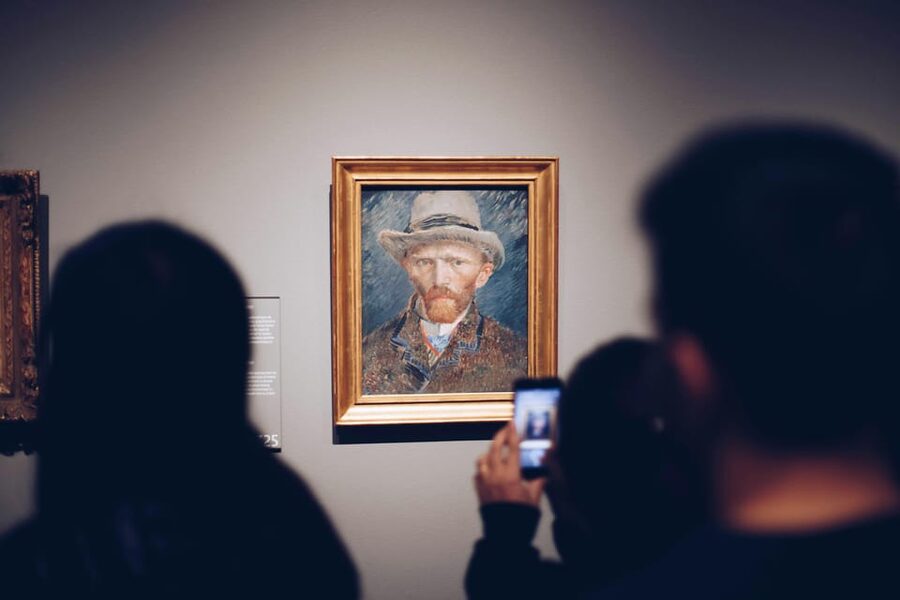
- Major names in one visit: Expect attention to Rembrandt, Vermeer, Van Gogh, and other important Dutch painters.
- A small English-speaking group: The group is limited to 10 participants, giving the tour a more personal feel than a large museum walk.
- Museum entry is included: You meet outside the Rijksmuseum, and your guide handles entry as part of the experience.
- A focused two-hour visit: The route offers context and direction, but you will not see every collection in detail.
- Flexible booking terms: You can cancel up to 24 hours before the tour for a full refund and reserve while paying later.
Why a guide helps inside the Rijksmuseum
The Rijksmuseum is not a small, tidy collection where you can simply stroll from one famous painting to the next. Its galleries cover centuries of Dutch art, and the building’s many wings can leave you trying to remember dates instead of looking closely at the pictures.
That is where this tour earns its price. Rather than treating each painting as an isolated masterpiece, the guide builds a story around it. You learn how Dutch society changed, how artists responded to those changes, and why certain subjects became popular.
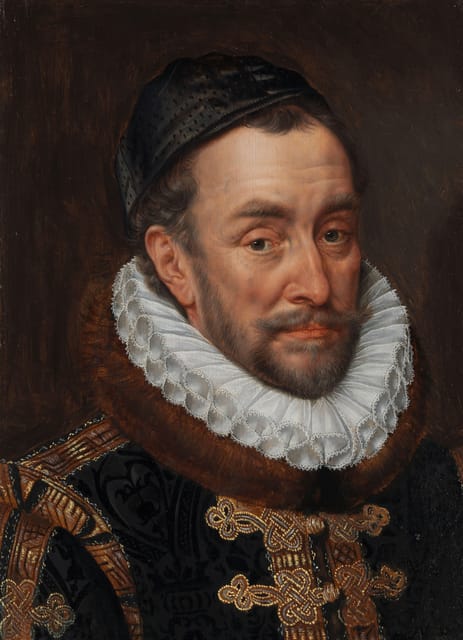
I especially like the promise of a clear historical thread. The tour begins with medieval turmoil and the effects of the Black Death, then moves toward Dutch independence and the period commonly called the Golden Age. Later, it reaches the decline of that era and the Enlightenment.
You do not need a background in European art to follow the route. The stated aim is to make the museum accessible to all levels of experience. That matters here because the Rijksmuseum can be rewarding for an art specialist, but it can also feel demanding if you are unsure what you are looking at or why it matters.
A guide can point out links between Dutch painting and wider European movements. You may find that a work becomes easier to appreciate once you understand whether it reflects religious change, growing trade, civic pride, domestic life, or a new interest in ordinary people.
More Art Museum Tours in Amsterdam
- Amsterdam: Rijksmuseum Entry Ticket
★ 4.7 · 29,512 reviews - Amsterdam: Van Gogh Museum Ticket and City Canal Cruise
★ 4.6 · 3,899 reviews - Amsterdam: Van Gogh Museum Ticket & Canal Cruise
★ 4.5 · 3,304 reviews
Meeting at Paulus Potterstraat 1
Your meeting point is next to the museum entrance at Paulus Potterstraat 1. The tour begins and ends at the same location, which keeps the plan easy to manage if you have another Amsterdam activity before or after the visit.
Transportation is not included. You are responsible for reaching the museum, so allow enough time to arrive at the meeting point before the scheduled start. Starting times vary, and you need to check availability when choosing a date.
Once you meet the guide, the group enters the museum together. Having entry included removes one practical step from the morning or afternoon. You are not buying a separate museum ticket and then trying to find the guide somewhere inside the building.
The meeting arrangement is also worth noting for anyone who dislikes complicated tour logistics. You do not need to travel to a second site after meeting. After the walk through the galleries, the activity finishes back at the museum meeting point.
The early galleries: medieval turmoil and Dutch beginnings
The first part of the route places Dutch art within the difficult medieval period. The guide uses this section to explain how Dutch culture developed through conflict, disease, and social change.
The Black Death is part of that background. You will not simply be shown old religious art without explanation. Instead, the guide links the works to the world that produced them and shows how belief, fear, and public life affected artistic choices.
This part may be less familiar than the later paintings by Rembrandt or Vermeer. That is precisely why it helps to have someone guiding you through it. Without context, early works can seem like a long sequence of dates and styles. With context, they become evidence of how people saw their world.
The pace matters here. Two hours does not allow for a long stop at every object, so the guide has to choose key works and make connections quickly. If you want to study one medieval piece at length, you may need to return after the tour.
Independence and the flowering of the Dutch Golden Age
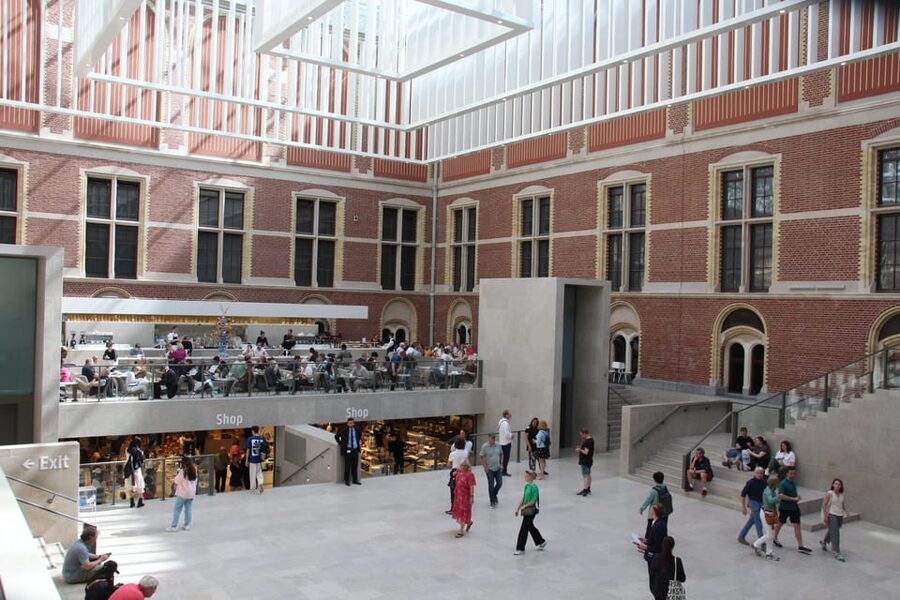
The route then follows the Netherlands toward independence and the growth of its celebrated Golden Age. This is where many visitors will find the museum’s familiar names and subjects beginning to click into place.
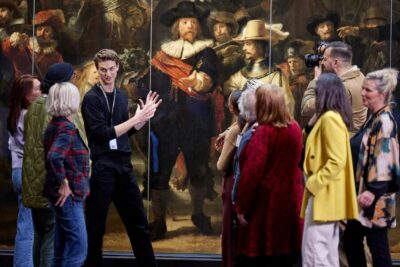
Rembrandt and Vermeer are not presented simply as famous painters whose work you should admire. The guide explains why they became so important and how their choices fit the society around them.
You can expect attention to everyday people as subjects. That point is central to understanding Dutch painting. Instead of limiting major art to saints, rulers, or mythological figures, Dutch artists often found meaning in homes, streets, civic life, work, and ordinary human behavior.
Still lifes receive special attention as well. Their popularity was not random. A still life could show skill, wealth, trade, scientific interest, and the passing nature of life, all within a carefully arranged table or room.
I like this part of the tour because it gives you a way to look beyond the surface. A painting of food, flowers, household objects, or a group of citizens can tell you something about status, values, and daily life. The guide’s job is to help you see those clues without turning the visit into a lecture full of dates.
More Rijksmuseum tickets:
- Amsterdam: City Canal Cruise and Rijksmuseum
★ 4.5 · 2,226 reviews - Rijksmuseum Amsterdam Small-Group Tour with Private Upgrade
★ 4.5 · 1,547 reviews - Amsterdam: Rijksmuseum Entry Ticket and Canal Cruise Combo
★ 4.3 · 1,276 reviews - Go City Amsterdam Pass: Attractions Pass with Rijksmuseum
★ 4.3 · 1,051 reviews
Rembrandt and Vermeer through a wider lens
The tour’s treatment of Rembrandt and Vermeer should appeal to first-time visitors who know the names but want a clearer sense of their importance. You will see works by both artists and learn how they fit into Dutch and European art.
Rembrandt offers a chance to consider portraiture, human expression, and the way an artist could give weight to people and events. Vermeer offers a different kind of focus, with attention to quiet scenes and the ordinary spaces of daily life.
The value here is comparison. Seeing the two artists within one guided route can help you notice different approaches to light, people, atmosphere, and storytelling. The guide can also explain why their work mattered in its own period, rather than treating it only as famous art admired centuries later.
The available information does not promise specific painting titles or a fixed list of galleries. That is useful to remember when booking. The exact works discussed may depend on the guide, the museum route, and the day’s conditions.
If Tristan leads your group, his approach is described as friendly and clear, with strong command of the material. He is one of the named guides associated with the experience, but you should not assume he will lead every departure.
Van Gogh and the wider European art story
Van Gogh is another major name included among the artists you may see. His presence helps connect the Dutch collection to later artistic developments and to the larger movement of European art.
The tour is not limited to the Golden Age. It uses Dutch painting as part of a broader European story, showing how styles and ideas changed over time. That wider frame prevents the visit from becoming a string of disconnected Dutch highlights.
You may find this especially useful if your knowledge of art is uneven. Perhaps you know Van Gogh well but are less familiar with medieval art, or you recognize Rembrandt but do not know much about the political history of the Netherlands. The guide’s explanations are meant to bridge those gaps.
Do not expect a full modern-art lecture in two hours. The focus remains on the Rijksmuseum’s Dutch collections and their place in European developments. Still, the connection to wider movements adds useful depth and helps explain why Dutch art had such a lasting effect beyond the country itself.
The lower levels: decline, Enlightenment, and lost independence
Near the end, the route moves to the museum’s lower levels. This section follows the decline of the Dutch Golden Age, the arrival of the Enlightenment, and the later loss of independence.
That ending gives the tour a shape that many museum visits lack. You do not stop with the high point of Dutch success and leave with the impression that the story ended there. Instead, you see how political and cultural fortunes shifted.
The guide also links the former Dutch Republic to wider world history. The country’s reputation continued to influence international events and ideas long after its strongest period had passed.
For a two-hour visit, this broad sweep is ambitious. You will receive an introduction to several centuries rather than a slow examination of every period. I see that as a fair trade for visitors who want orientation and meaning before exploring more on their own.
What $63 buys you
At $63 per person, the tour costs more than entering a museum by yourself, assuming you are comparing it only with the price of admission. The real question is what you want from the visit.
You are paying for the Rijksmuseum entry ticket, a local professional guide, and a two-hour walking tour in a group capped at 10 people. For someone who wants to understand the collection rather than simply look at famous pictures, that combination can offer good value.
The small group is important. A group of 10 is large enough to create a social atmosphere but small enough that the guide should not be far away in a crowd. It also gives you a better chance to hear explanations and ask a question than you might on a large group tour.
The value is lower if you already know the museum well or prefer to set your own pace. You will be following someone else’s route, and two hours may feel short if you want to sit with a single painting for a long time.
I would consider booking it for a first Rijksmuseum visit, especially if art history is not your main area of knowledge. You can use the guided route to get your bearings, then return to favorite rooms independently if your schedule and admission arrangements allow.
The walking pace and what to wear
This is a walking tour inside a large museum. Comfortable walking shoes are specifically recommended, and you should take that advice seriously.
The route moves through different wings and levels, with plenty of standing as the guide explains individual works. The description does not give a detailed accessibility plan, so anyone with mobility concerns should confirm suitability before booking.
The two-hour length is useful for a busy Amsterdam itinerary. It is long enough to establish a clear story without taking up an entire day. At the same time, the compact schedule means the guide will keep moving.
You should arrive ready to listen, walk, and look closely. This is not a relaxed lounge-style visit with unlimited time in each room. It is a guided introduction to one of the Netherlands’ most important museums.
Who will get the most from this tour
I would recommend this experience to first-time Rijksmuseum visitors, people with limited time in Amsterdam, and anyone who finds large museums hard to organize. The historical structure gives you a reason to care about the paintings instead of treating them as isolated attractions.
It also suits mixed-interest groups. One person can enjoy Rembrandt and Vermeer, another can focus on Dutch politics, and someone else can learn how European art movements changed. The English-speaking guide keeps the visit accessible to a broad range of backgrounds.
Families with older children may also find the two-hour length manageable, though the data does not specify a minimum age or a child-focused format. You should not book it expecting a playful children’s tour.
Art specialists may want more time and greater depth. If you already know the Rijksmuseum well, the strongest reason to join would be the guide’s interpretation and the chance to hear a different reading of the collection, not basic orientation.
Booking details that matter
The tour is offered in English with a live guide. The group is limited to 10 participants, and the duration is two hours.
You can reserve now and pay later, which is useful when your Amsterdam schedule is still taking shape. Cancellation is free up to 24 hours in advance for a full refund.
Check the available starting times before planning the rest of your day. The activity does not include transportation, and you need to reach Paulus Potterstraat 1 on your own.
The provider is SightSeekers. One guide associated with the experience is Tristan, who is described as friendly and very good at explaining the material. Since guide assignment can vary, treat his presence as a possibility rather than a guarantee.
Should you book the Rijksmuseum small-group tour?
Book this tour if you want the Rijksmuseum to tell a connected story. The entry ticket, small group, and English-speaking guide make it a practical choice for a first visit, especially when you want context for Rembrandt, Vermeer, Van Gogh, still lifes, and Dutch political change.
Skip it if you prefer complete freedom, long pauses, or a self-guided visit built around only your favorite artists. Two hours cannot cover the whole museum.
For $63, I see the strongest value in the interpretation. You are not buying extra time in the Rijksmuseum. You are buying a clear route through a very large collection and an explanation of why the art matters. For many visitors, that guidance is what turns a beautiful museum visit into a memorable one.
FAQ
How much does the Rijksmuseum tour cost?
The tour costs $63 per person.
How long does the tour last?
The guided visit lasts two hours.
What language is the tour offered in?
The tour is conducted in English with a live guide.
How many people are in the group?
The group is limited to 10 participants.
Is Rijksmuseum entry included?
Yes. The entry ticket to the Amsterdam Rijksmuseum is included.
What else is included?
The experience includes a local professional guide and a guided walking tour of the Rijksmuseum.
Is transportation included?
No. Transportation is not included, so you must make your own way to the meeting point.
Where do I meet the guide?
Meet the guide next to the museum entrance at Paulus Potterstraat 1.
Can I cancel or pay later?
You can cancel up to 24 hours in advance for a full refund. You can also reserve your place and pay later.
Just added around Amsterdam
- Small Group Tour to NP Hoge Veluwe (van Gogh) from Amsterdam★ 5.0 · 19 reviews
- Van Gogh and Rembrandt Immersive Experience Entry Amsterdam★ 4.0 · 2 reviews
- Van Gogh Museum Guided Visit Including Tickets★ 4.5 · 9 reviews
- Van Gogh Museum Tour excluding Entrance Tickets★ 5.0 · 16 reviews
- Van Gogh Museum with Audio Guide★ 3.5 · 80 reviews
- Van Gogh Museum, Small Group Tour (incl timed entry tickets)★ 5.0 · 5 reviews
- Van Gogh Museum Entry Ticket and Guided Tour★ 4.5 · 48 reviews
- Van Gogh Museum, Rijks Museum & Walking Tour – Private Day Tour★ 5.0 · 17 reviews
Art Museum Tours in Amsterdam, compared.


Van Gogh Museum Amsterdam Exclusive Tour w/ Reserved Entry
Read our review →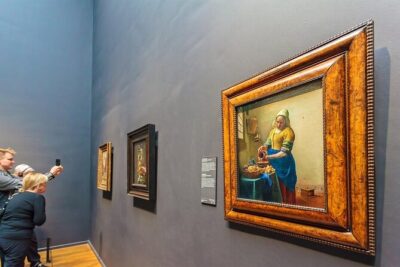
Rijksmuseum Amsterdam Small-Group Tour with Private Upgrade
Read our review →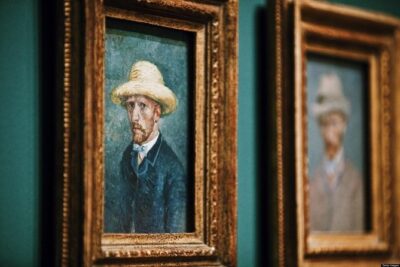
Van Gogh Museum Tour Reserved Entry Semi Private
Read our review →
Rijksmuseum Entry Ticket and Canal Cruise Combo
Read our review →Browse the lists this tour appears in