
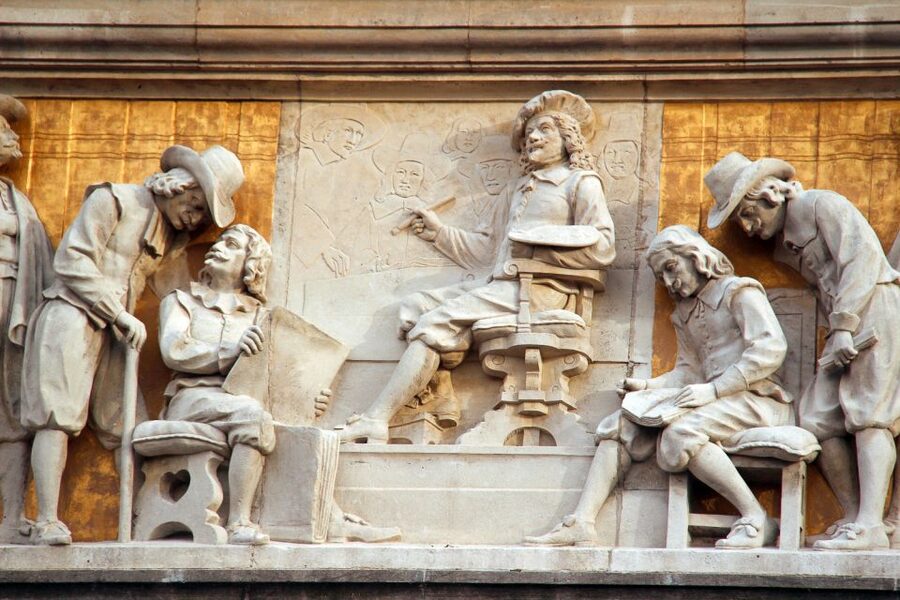
REVIEW · AMSTERDAM
Amsterdam: Rijksmuseum Private Tour
The most rewarding part of this private Rijksmuseum tour is learning to read a painting as a 17th-century Dutch citizen might have read it. Your guide connects small details, gestures, clothing, and objects to the culture around them, so the paintings become more than handsome scenes on a wall. I especially like the focus on Rembrandt’s The Night Watch and the way the guide compares Dutch art with earlier medieval work.
I also like the private format. Rolf, the guide most often associated with this tour, has adjusted the route to suit families, older visitors, and people with a particular interest in art. His approach includes questions about what you notice and what you like, rather than a nonstop lecture. The main drawback is crowding. The museum can be busy, and one past visit felt rushed near the end when the guide had another tour afterward.
Key points to know
- Two hours of focused museum time: The tour gives you a clear route through the Dutch Masters without trying to cover every gallery.
- The Night Watch is the centerpiece: You visit the Honorary Gallery to see Rembrandt’s best-known work.
- Art is explained through daily life: You learn why ordinary scenes became so important in Dutch painting.
- A private guide can shape the visit: Rolf has adapted tours for children, teenagers, adults, and an older visitor using a wheelchair.
- Your museum ticket is separate: You meet the guide inside, after making your way into the Rijksmuseum.
- Crowds may affect the pace: Ask about the best way to make entry and busy galleries more manageable.
Why this Rijksmuseum tour works best with a guide
The Rijksmuseum is large enough to swallow a morning before you have worked out what you are looking at. A private two-hour tour gives you a clear purpose: follow the rise of Dutch painting, see the major names, and understand why their work changed European art.
You are not simply shown a list of famous canvases. The guide explains how painting moved away from mainly religious, royal, mythological, and historical subjects. Dutch artists still painted those themes, but they also gave serious attention to merchants, families, civic groups, interiors, streets, food, clothing, and ordinary work.
That shift matters. In the Dutch Republic, more people could buy pictures for their homes. A painting was not just decoration. It could teach a moral lesson, record social status, make a joke, or offer a sharp comment on human behavior.
I like this approach because it gives you something useful to do in every gallery. Look at the objects. Notice who is looking at whom. Ask why a person is placed at the edge of the scene or why a small item has been included. The guide’s job is to help you spot those clues, then explain what they meant at the time.
More Art Museum Tours in Amsterdam
- Amsterdam: Rijksmuseum Entry Ticket
★ 4.7 · 29,512 reviews - Amsterdam: Van Gogh Museum Ticket and City Canal Cruise
★ 4.6 · 3,899 reviews - Amsterdam: Van Gogh Museum Ticket & Canal Cruise
★ 4.5 · 3,304 reviews
Starting inside the museum, not outside
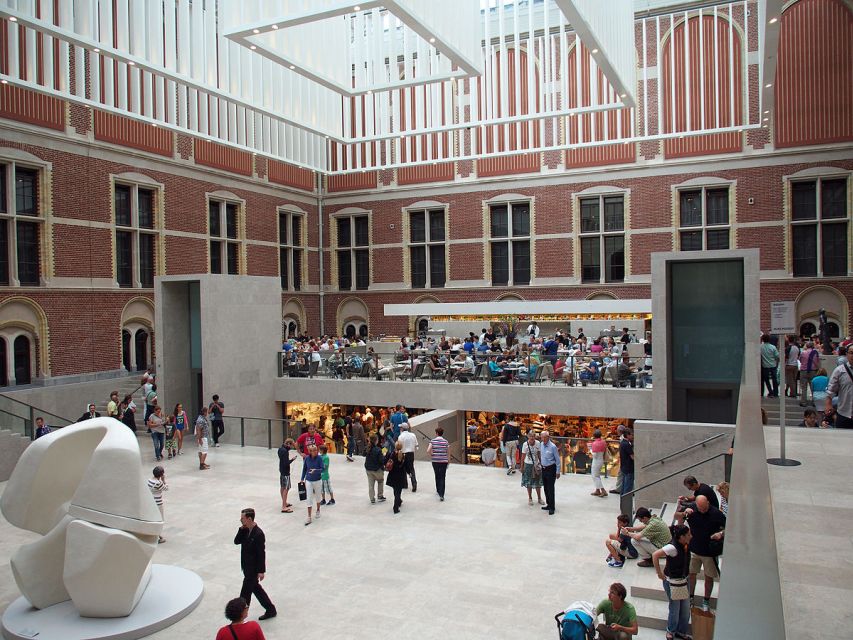
The meeting point requires a little care. You first make your way into the Rijksmuseum and then meet your guide inside. Look for the round information counter. About 10 meters to its right is a small sign marked meeting point.
This arrangement is practical once you know it, but it can cause confusion if you are expecting someone at the front entrance. One visitor specifically wished the meeting instructions had been clearer. I suggest saving the meeting details before you arrive and allowing enough time to get inside before the scheduled start.
Your entrance ticket is not included in the tour price. That is important when comparing the total cost with a standard guided visit. The private guiding fee is $235 for a group of up to two people, while museum admission must be arranged separately.
The activity information also suggests looking into an Amsterdam Card, which provides access to unlimited museums and public transport. Its value depends on how many museums and transport services you plan to use, so it makes most sense for a museum-heavy stay rather than for this tour alone.
The Rijksmuseum building sets the scene
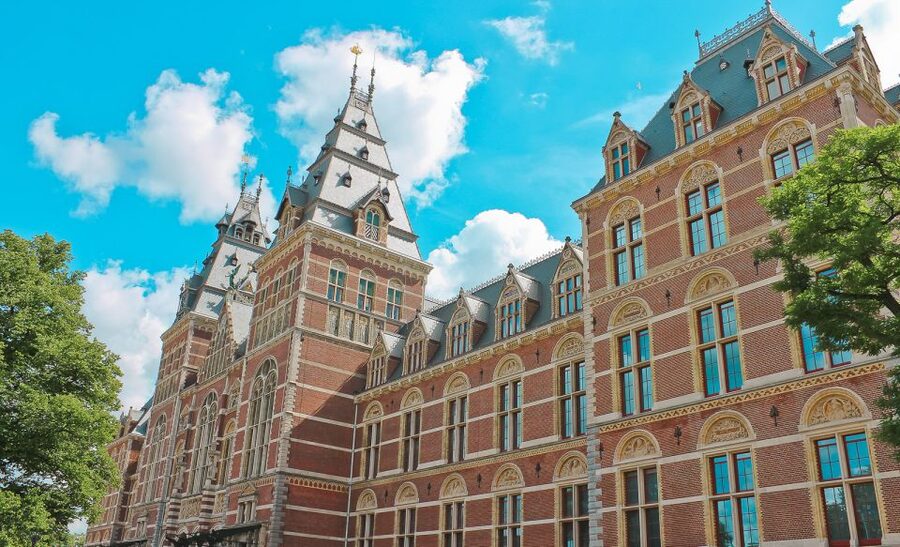
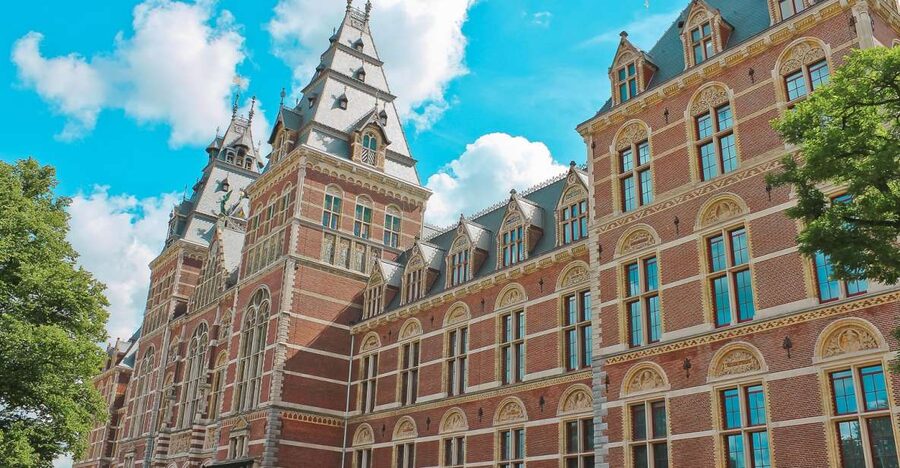
A strong guide begins with the museum itself, and Rolf has done that on past tours. Before concentrating on paintings, he has discussed the architecture and the story of the Rijksmuseum.
That opening helps you understand that the building is not a neutral box for art. It frames the national story the museum wants to tell. You then enter the galleries with a better sense of place, rather than treating each room as a random collection of paintings.
The guide may also use this time to explain the difference between medieval art and the later Flemish and Dutch masters. Medieval works often served religious purposes and followed established visual rules. Dutch painters developed a sharper interest in observation, natural light, portrait likeness, domestic life, and the small signs of wealth or behavior.
You do not need a background in art to follow this. The value of a private tour is that you can stop and ask what a term means, or ask the guide to compare two pictures without worrying about holding up a large group.
The Honorary Gallery and Rembrandt’s The Night Watch
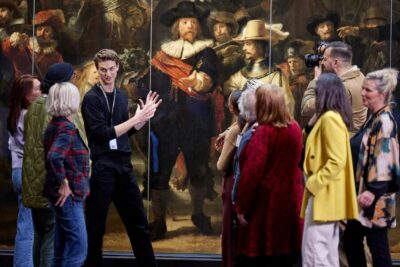
The central stop is the Honorary Gallery, where you see Rembrandt’s The Night Watch. This is the painting most visitors expect, but the tour gives you a better reason to look beyond its size and fame.
Your guide can point out the movement, lighting, people, and details that make the scene feel less like a formal group portrait and more like an unfolding event. You learn about Rembrandt’s handling of light and his way of directing your eye through a crowded composition.
The painting also helps explain the role of civic groups in Dutch society. It was not simply a portrait of one ruler or noble family. It presented a group and its identity, which fits the wider story of a prosperous society where organizations, merchants, and citizens wanted art that reflected their place in the world.
Crowds are the main issue here. The Night Watch is a major draw, and the area can be busy. A private guide cannot guarantee an empty gallery, but can help you use your limited time well and avoid wasting the visit on aimless wandering.
More Rijksmuseum tickets:
- Amsterdam: City Canal Cruise and Rijksmuseum
★ 4.5 · 2,226 reviews - Rijksmuseum Amsterdam Small-Group Tour with Private Upgrade
★ 4.5 · 1,547 reviews - Amsterdam: Rijksmuseum Entry Ticket and Canal Cruise Combo
★ 4.3 · 1,276 reviews - Go City Amsterdam Pass: Attractions Pass with Rijksmuseum
★ 4.3 · 1,051 reviews
Vermeer, Frans Hals, and the art of noticing
The tour also brings you to paintings by Vermeer and Frans Hals, along with other Dutch masters. The point is not just to collect famous names. Each artist offers a different lesson in technique and subject.
With Vermeer, you may focus on light, stillness, domestic interiors, and the careful arrangement of a room. His scenes can look simple at first, but small details control the mood and direct your attention. A guide can help you see why a quiet room can hold as much visual tension as a busy historical scene.
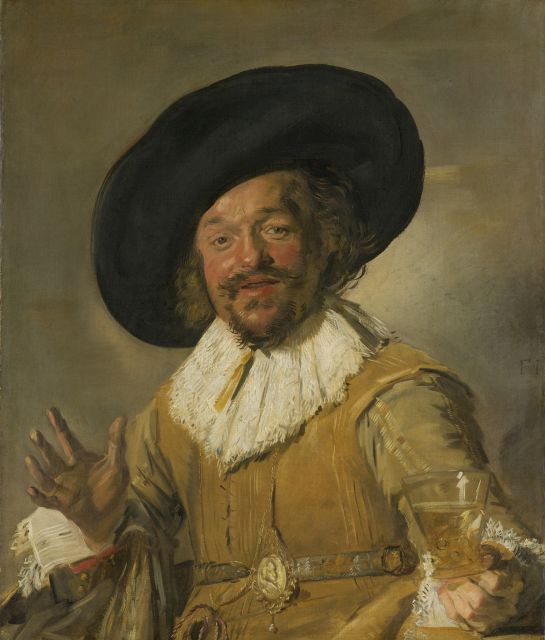
Frans Hals gives you another kind of energy. His portraits are less stiff than many earlier formal likenesses, and his brushwork helps create a sense of personality. A good explanation makes clear how paint handling affects the way a person appears to you.
Rembrandt brings together technique and human feeling. His pictures can reward close attention to faces, gestures, shadows, and worn clothing. The guide also discusses how artists worked, giving you a clearer idea of the decisions behind the finished image.
This is where the tour earns its fee for people who want more than a quick photo stop. You are learning a method you can use later in the museum. Even after the guide moves on, you can keep asking yourself what the painter wants you to notice first.
Paintings as books, lessons, and cartoons
One of the most useful ideas in this tour is that paintings once worked like books or cartoons for many people. In the 17th century, not everyone had schoolbooks, television, or easy access to printed information. A picture could tell a story, teach a lesson, celebrate a group, or make fun of human weakness.
That context changes the way you look at everyday scenes. A domestic picture may include a warning about laziness or temptation. A well-dressed figure may be showing prosperity, ambition, or social rank. A small object on a table may carry more meaning than its size suggests.
The guide explains these hidden meanings without turning the visit into a dry classroom. The best moments come when you first say what you see, then hear how the image might have been understood by its original audience.
Rolf has used questions such as what you notice, how two paintings compare, and what you like or dislike about a style. I find that method especially useful for families and people who feel uncertain around art. You are not expected to produce a clever answer. You are simply encouraged to look closely.
A private tour that suits families and mixed-age groups
A large family can struggle with a standard art tour. Children may lose interest, adults may want more background, and older relatives may need a slower pace or a seat. This private format gives the guide room to adjust.
The tour has worked well for families with children around 10 to 12 years old, and teenagers have also been included successfully. Current-day comparisons can make the paintings easier to grasp, especially when the guide explains a visual joke or social message in familiar terms.
The private setup also helps if your group has different levels of interest. One person can ask about painting technique while another asks about Dutch society. You do not have to follow the pace of a crowd.
Accessibility is another practical strength. The activity is wheelchair accessible, and on one occasion Rolf arranged a wheelchair for an 80-year-old visitor. That does not remove every possible museum challenge, but it shows that mobility needs can be discussed with the guide.
How much value do you get for $235?
At $235 for up to two people, this is a premium tour. Add the museum entrance fee, and the total is much higher than simply walking through the Rijksmuseum on your own.
For two people, the guiding cost works out to $117.50 per person before admission. That price makes the most sense if you want personal attention, have limited time, or feel that a major museum is easier with a clear explanation. It is also reasonable for a couple celebrating a special trip or for two people with a strong interest in Dutch art.
The value is weaker if you prefer to spend half a day moving at your own pace, reading labels, and choosing rooms as you go. It is also less attractive if you already know the main artists and want to explore less famous works independently.
The tour is only two hours, so it is not meant to cover the entire museum. Think of it as a guided introduction to the most important Dutch painting, followed by your own extra time if you want more. Several visitors found that the two hours passed quickly, which is a compliment to the pace but also a reminder that you will not see everything.
Timing, languages, and practical planning
The activity is valid for one day, with starting times based on availability. You should check the time carefully and plan your museum entry around it, since the guide meets you after you have entered.
Tours are offered in Dutch, English, and German. The guide is live and the group is private. That combination is useful if you want to ask questions freely or need explanations adjusted to your language level.
Crowding can affect the experience. One recent visit took place in a very busy museum and felt rushed toward the end. That is not a reason to reject the tour, but it is a reason to be realistic. The Rijksmuseum’s major works attract many people, and a private guide cannot control the number of visitors in front of a painting.
The booking terms are flexible: you can cancel up to 24 hours ahead for a full refund, and you can reserve now and pay later. Those options are helpful if your Amsterdam plans are still shifting.
Who should book this Rijksmuseum visit?
I would choose this tour if you want the Dutch Masters explained in plain language, if you are short on time, or if your group includes people who might lose interest in a self-guided museum visit.
It is particularly well suited to:
- Couples who want a focused introduction to Rembrandt, Vermeer, and Frans Hals
- Families with children or teenagers
- First-time Rijksmuseum visitors
- People who want cultural and social context, not just artist names
- Visitors who need a private pace or help with mobility
- Anyone who finds major museums intimidating
I would skip it if your priority is low cost, complete freedom, or several unhurried hours with the collection. In that case, buying admission and exploring alone may suit you better.
FAQ
How long is the Rijksmuseum private tour?
The guided tour lasts two hours.
Is the museum entrance ticket included?
No. The entrance ticket is not included, so you must arrange museum entry separately.
Where do I meet the guide?
You meet the guide inside the Rijksmuseum after entering. Look for the round information counter, then go about 10 meters to the right to the sign marked meeting point.
Who is the guide?
Rolf is the main guide associated with this activity. Isabel has also led the tour when Rolf was unavailable.
Which languages are available?
The live tour is offered in Dutch, English, and German.
Is the tour private?
Yes. It is a private group tour, with the listed price covering up to two people.
Is the tour wheelchair accessible?
Yes, the activity is wheelchair accessible. A wheelchair has also been arranged for a visitor during a previous visit.
Should you book it?
Book this tour if you want The Night Watch, Vermeer, and Frans Hals to make sense, not simply appear as famous paintings on a museum checklist. Rolf’s question-led style, attention to technique, and ability to adjust the visit suit families and curious first-time visitors especially well.
The price is high once admission is added, and crowds may make the final part feel hurried. Still, for two people who value personal guidance and want a clear introduction to Dutch art in two hours, this is a strong, focused choice.
Just added around Amsterdam
- Small Group Tour to NP Hoge Veluwe (van Gogh) from Amsterdam★ 5.0 · 19 reviews
- Van Gogh and Rembrandt Immersive Experience Entry Amsterdam★ 4.0 · 2 reviews
- Van Gogh Museum Guided Visit Including Tickets★ 4.5 · 9 reviews
- Van Gogh Museum Tour excluding Entrance Tickets★ 5.0 · 16 reviews
- Van Gogh Museum with Audio Guide★ 3.5 · 80 reviews
- Van Gogh Museum, Small Group Tour (incl timed entry tickets)★ 5.0 · 5 reviews
- Van Gogh Museum Entry Ticket and Guided Tour★ 4.5 · 48 reviews
- Amsterdam: Explore the Van Gogh Museum & His Masterpieces★ 3.5 · 64 reviews
Art Museum Tours in Amsterdam, compared.


Van Gogh Museum Amsterdam Exclusive Tour w/ Reserved Entry
Read our review →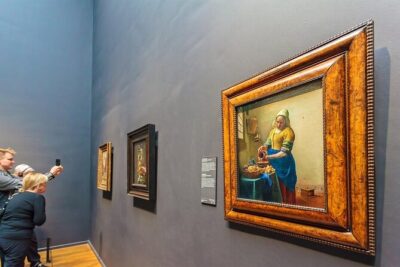
Rijksmuseum Amsterdam Small-Group Tour with Private Upgrade
Read our review →
Van Gogh Museum Tour Reserved Entry Semi Private
Read our review →
Rijksmuseum Entry Ticket and Canal Cruise Combo
Read our review →Browse the lists this tour appears in