
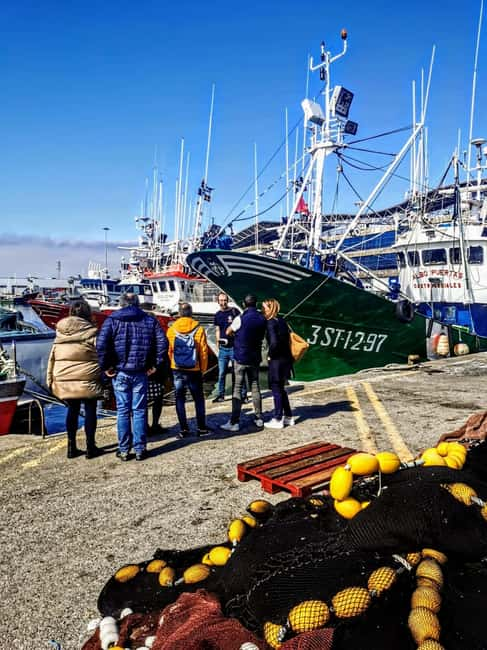
REVIEW · SPAIN
Santoña: Anchovy Art Gallery with Fishing Port and Market
Santoña’s anchovies are not just something to eat. They are the result of boats, auctions, careful handwork, and a preservation craft shaped by Sicilian methods. This tour lets you follow that chain from the fishing port and market to the jar and tasting plate.
I like the practical port visit, where you learn how purse seine vessels work and how ship registrations are read. I also like the Anchovy Art Gallery, with its early 20th-century machinery and a live filleting demonstration. The main caution is that the port area is working infrastructure, not a polished museum, and the schedule contains a confusing reference to a 30-hour port visit. The experience is listed as valid for one day, with the gallery portion taking about 40 minutes.
- Watch Santoña’s fishing trade up close: Learn how boats, auctions, and the day’s catch fit together.
- See anchovies made by hand: A skilled worker demonstrates the fine art of filleting.
- Visit a working food museum: Conservas Ana María displays antique machinery from the early 1900s.
- Taste the finished product: Your ticket includes prepared anchovy fillets at the gallery’s bar or shop.
- Tour with Nicolás C.: He leads the experience in Spanish, French, or English.
- Pay $20 for a focused local experience: The price includes the gallery entry and tasting, with no need to add transport.
Santoña Begins at the Fishing Port
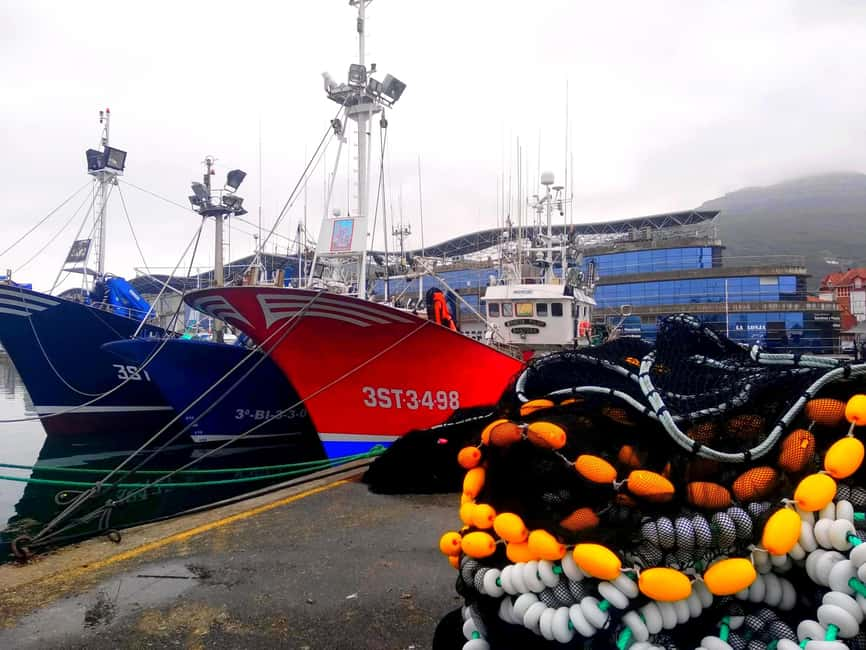
You meet at the Mirador de las Marismas and Santoña port, a useful starting point because it puts you beside the town’s working waterfront from the first minute. I like this choice more than beginning inside a shop or museum. You get the setting before hearing the story.
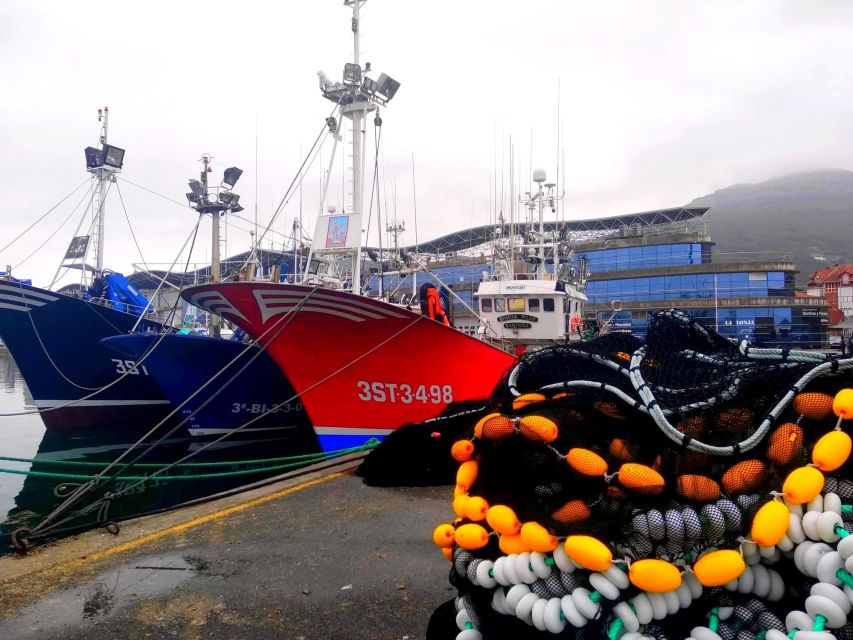
The port visit explains how one of Cantabria’s largest fishing hubs functions. You learn about purse seine vessels, the boats designed to surround schools of fish with a large net. You also learn how to read ship registrations, a small detail that helps you make sense of the boats around you instead of seeing them as a row of anonymous hulls.
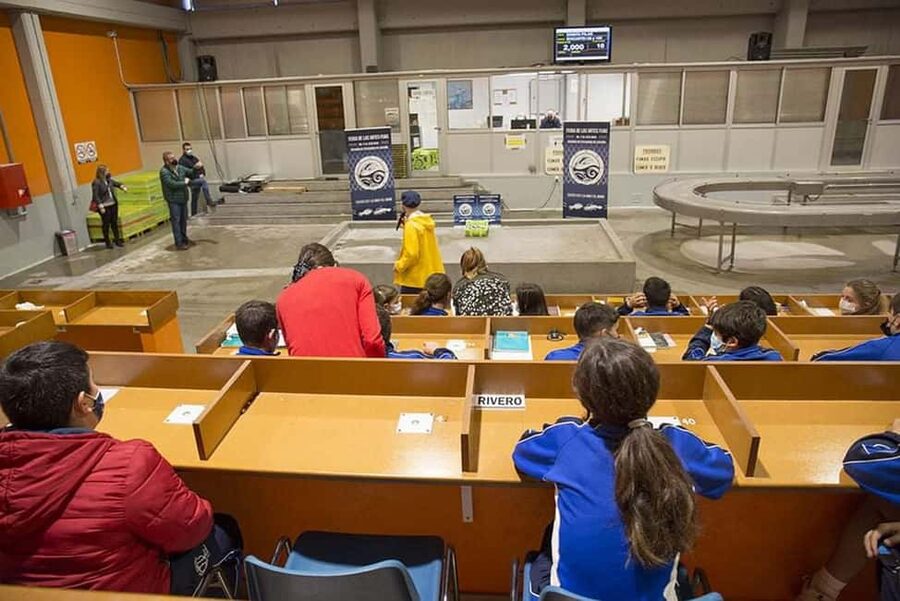
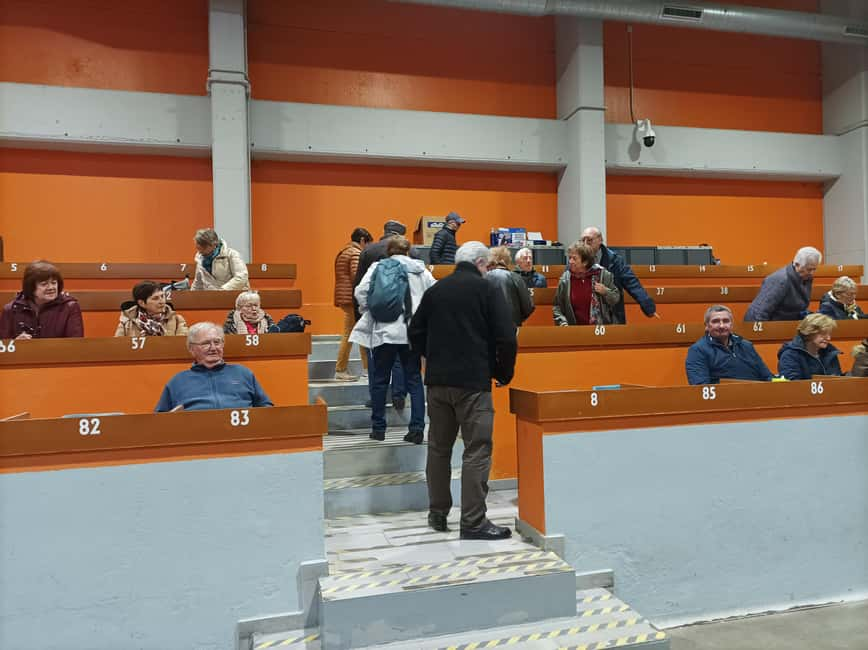
The fish market adds the commercial side. You watch the auction process in which the day’s catch is sold, giving you a clearer sense of how seafood moves from the water to local businesses and kitchens. This is the part I find especially useful because it connects the anchovy on your plate with a real trade involving boats, workers, timing, and price.
The port is a workplace first. You should expect activity and practical surroundings rather than a quiet promenade or a formal exhibition. Conditions can also affect what you see, since fishing operations naturally depend on the day’s catch and the market schedule. Still, the guide’s explanation gives the visit value even when the action is less dramatic.
The schedule lists a photo stop at the port lasting five minutes. Treat that as a chance to pause and take in the setting, not as a separate attraction. You return to the same general area at the end, so you can also take a few extra photographs before or after the guided portion if time allows.
How Santoña’s Anchovy Trade Took Shape
The tour makes a useful point about technique: anchovy filleting in the Cantabrian Sea has Sicilian origins. That detail gives the local product a wider Mediterranean connection. Santoña’s anchovies are strongly tied to Cantabria, but the craft did not develop in isolation.
I like this kind of context because it explains why food traditions travel. Fishing grounds, preservation methods, and specialist skills often cross borders. In this case, the Sicilian connection helps you see the anchovy industry as a meeting of sea, migration, and technique rather than as a simple local specialty.
You also get a better sense of why handwork matters. Filleting requires control and care, and the quality of the finished piece depends on more than the fish itself. The port creates the supply, but the worker’s skill determines how that catch becomes a product ready for the table.
Guide Nicolás C. is an important part of the experience. He explains the subject in Spanish, French, or English, and the available feedback points to his strong command of Santoña’s fishing and anchovy story. He has used both online and physical material during explanations, which can help when the subject includes unfamiliar boat types, registrations, or processing steps.
That support is useful for a food tour with a technical side. You are not simply told that anchovies are important. You are shown how the industry works and why the preparation deserves attention.
Other galleries people book in Spain on the same trip:
- Madrid: Prado Museum Entry Ticket
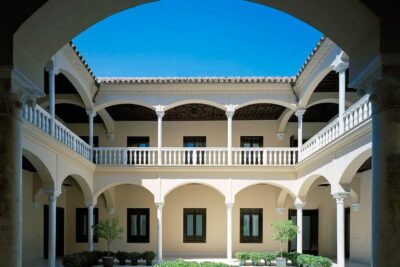
★ 4.6 · 20,699 reviews - Málaga: Museo Picasso Málaga Entry Ticket
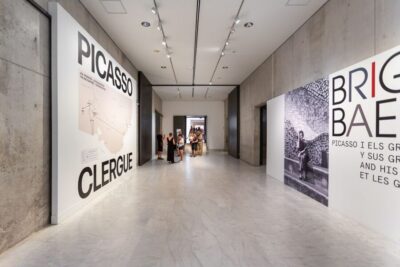
★ 4.4 · 11,138 reviews - Barcelona: Picasso Museum Skip-the-Line Guided Tour
★ 4.5 · 3,355 reviews
Inside the Anchovy Art Gallery
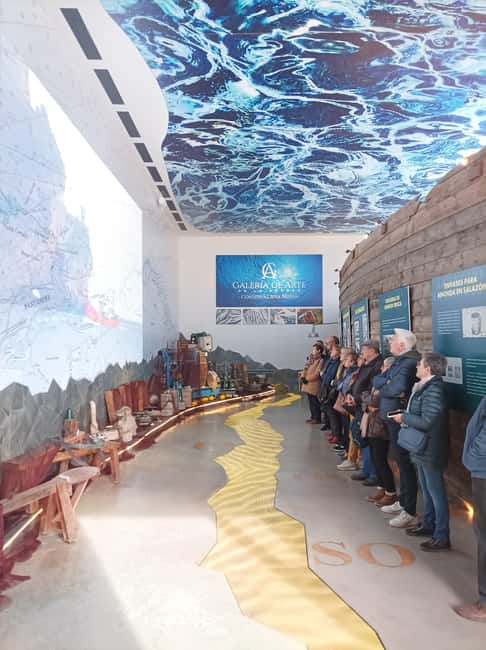
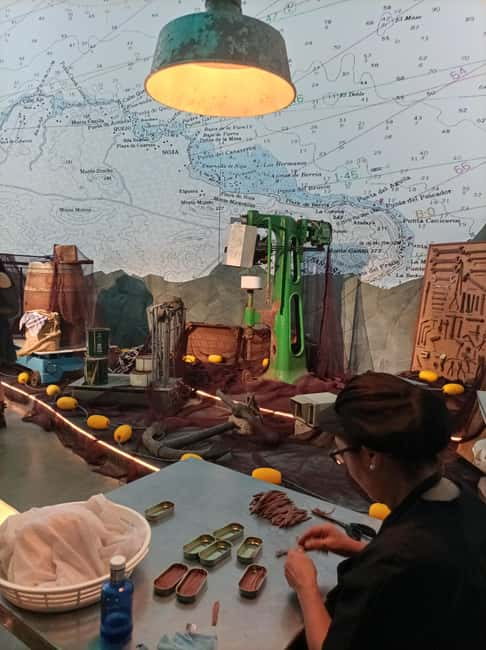
The next stop is the Anchovy Art Gallery at Conservas Ana María. The name may sound like a conventional gallery, but the collection is built around the tools and machinery of anchovy production. Antique equipment dating from the early 20th century helps show how the trade developed over time.
I like the gallery because it keeps the focus on work. Instead of displaying only finished tins and polished food photography, it gives you a look at the machinery behind the product. The older equipment also makes the process easier to picture. You can connect today’s preserved fillets with an earlier period when production depended on sturdy, specialized machines and skilled hands.
The visit lasts about 40 minutes and includes a guided explanation, a regional food tasting, and the filleting demonstration. That is enough time for a focused introduction without turning the experience into an all-day museum stop. If you prefer long technical tours, you may find the gallery visit brief. If you want a clear explanation followed by food, the pace should work well.
The demonstration is the key moment. A worker shows how anchovies are filleted, giving you a direct view of a task that is easy to overlook once the product is neatly arranged in a tin or on a plate. I would pay close attention to the hand movements and the condition of the fillet at each stage. This is where the tour shifts from general history to a specific craft.
You may also find that the gallery gives more meaning to the tasting that follows. Once you have watched the preparation, the texture and appearance of the fillet are no longer just culinary details. They reflect a chain of decisions made by people who handle the product carefully.
The Tasting: A Small Plate with a Big Story
The tasting takes place at the bar or shop inside the Anchovy Art Gallery. Your ticket includes anchovy fillets, prepared for you to sample. The point is not a large meal. It is a chance to taste the product after hearing how it reaches the table.
I like this ending because it keeps the food tied to the place. You first see the port, then the equipment, then the handwork, and finally the finished anchovy. The tasting is modest, but it completes the explanation.
Expect a strong, savory flavor. Anchovies are not a shy food, and this is a tasting for people who want to understand the regional specialty rather than avoid its character. If you already enjoy anchovies, you will likely appreciate the chance to try them in their production town. If you are unsure about them, the small portion lets you make up your own mind without committing to a full meal.
The included tasting is also important when judging the $20 price. You are paying for the port explanation, the gallery entry, the demonstration, and a sample of the finished product. That makes the cost reasonable for a short, specialist experience, especially if you value local food traditions more than a broad sightseeing route.
The tour does not list a larger meal, drinks, or additional food beyond the anchovy tasting. Plan it as an educational food stop, not as a replacement for lunch. The gallery’s bar or shop may give you a chance to buy more, but the supplied details confirm only the included fillet tasting.
What You See at Each Stage
The route has a clear logic, and I would keep that sequence in mind when deciding if it fits your day:
- Mirador de las Marismas and Santoña port: This is the meeting point and the setting for the opening explanation.
- Fishing port and market: You learn about purse seine boats, ship registrations, the day’s catch, and the auction process.
- Port photo stop: A short pause gives you time to record the waterfront before moving on.
- Conservas Ana María: The Anchovy Art Gallery presents old machinery and the story of anchovy processing.
- Filleting demonstration: You watch a skilled worker show the preparation by hand.
- Anchovy tasting: You sample prepared fillets at the gallery bar or shop.
- Return to the port area: The route ends near the original meeting point.
One timing note deserves attention. The supplied schedule describes the port guided tour as 30 hours, which cannot sensibly be the length of this type of visit. The experience itself is listed as valid for one day, and the gallery segment is shown as 40 minutes. Check the selected starting time and current schedule before paying, particularly if you are fitting this around other plans.
A few more gallery visits around Spain worth comparing
- Private Malaga: Alcazaba, Museum, Market, Cathedral & Picasso
★ 5.0 · 28 reviews - Malaga Private Tour: Alcazaba, Market, Catedral & Picasso
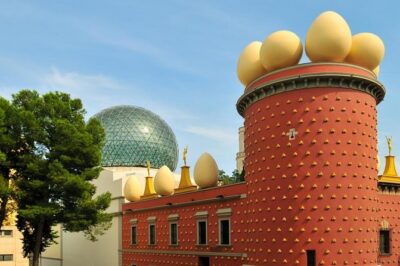
★ 4.5 · 11 reviews - Dalí Museum + Market to Fork hands-on cooking class with Chef Yves
★ 5.0 · 5 reviews - Bilbao, Ribera market and Guggenheim from San Sebastian
★ 5.0 · 3 reviews
Why the Guide Matters Here
This experience depends more on explanation than on spectacle. The port may be active, but you need someone to explain what the boats do, how the markings work, and why the auction matters. At the gallery, the machinery needs context, and the filleting demonstration benefits from a guide who can describe what you are seeing.
Nicolás C. leads the tour and speaks Spanish, French, and English. The available comments about his work repeatedly point to clear, detailed explanations and a strong command of the subject. One person specifically noted that he brought both online and physical material to make the subject easier to understand.
That tells you something practical: this is not a tour where you simply walk past a few boats, take a taste, and leave. It is built around interpretation. If you enjoy learning how a local industry works, the guide adds real value. If you want only a quick market visit with no explanation, the format may feel more detailed than necessary.
The multilingual option also makes the experience easier to fit into an international trip. Confirm your chosen language when booking, since the activity is offered in Spanish, French, and English.
Is $20 Good Value?
At $20 per person, I consider this a fair price for a compact, specialized tour. The fee includes entry to the Anchovy Art Gallery and the anchovy fillet tasting. The port and market explanation add the local setting, while the demonstration gives you something you cannot get from simply buying a tin in a shop.
The value is strongest if you are interested in food production, working ports, or regional identity. You are paying for access to a story and a process, not for a long list of attractions. The tour also avoids the usual problem with many food experiences: tasting a product without learning where it came from.
The value is weaker if you expect a substantial meal, extensive time inside the market, or a full-day sightseeing program. The activity is described as lasting one day for booking purposes, but the clearly stated gallery portion is only 40 minutes, and the port timing needs confirmation because of the apparent schedule error.
For me, the best comparison is a short museum visit combined with a guided working-port walk. The tasting is a useful extra, but the explanation is the main product.
Who Will Enjoy This Santoña Experience?
I would choose this tour if you like local food with a visible connection to work and place. It suits people who want to understand a specialty before tasting it, rather than simply stopping for a snack.
It is also a good fit for:
- Food-focused visitors: You get the story behind a regional product and a sample at the end.
- History and industry fans: The antique machinery and Sicilian connection add useful context.
- Photographers: The port offers boats, waterfront activity, and a short planned photo stop.
- Slow-paced explorers: You can focus on one town and one trade instead of rushing through many sights.
- Multilingual groups: The guide works in Spanish, French, and English.
- Visitors seeking a modestly priced activity: The cost includes the gallery and tasting.
I would be less likely to recommend it to someone who dislikes anchovies, wants a large meal, or expects a dramatic sightseeing excursion. The appeal is specific: Santoña’s fishing economy and the craft of preserving anchovies.
You should also be comfortable spending part of the experience in a working port. That means the setting may be practical rather than scenic at every moment, and the market activity may vary. The tour’s strength is its connection to real production, not a staged show.
Booking Details to Keep in Mind
You can cancel up to 24 hours before the activity for a full refund. You can also reserve now and pay later, which helps if you are still arranging your Cantabria plans.
The starting point is Mirador de las Marismas and the Santoña port area. The experience is valid for one day, but you need to check availability for the actual starting time. Since the port timing is written unclearly, I would confirm the schedule before booking if you have a tight connection or another timed activity.
The tour includes the Anchovy Art Gallery entrance and anchovy fillet tasting. It does not list transport, a full meal, or other inclusions, so plan to reach the meeting point yourself and arrange additional food separately.
Should You Book the Anchovy Art Gallery Tour?
Book it if you want a close look at how Santoña’s famous anchovies move from fishing boat to finished fillet. The combination of port, market, old machinery, live preparation, and tasting gives you a more useful understanding than a quick stop at a food shop.
I especially like the way the experience connects the working waterfront with the hand-finished product. Nicolás C.’s detailed explanations appear to be a major part of the value, and the $20 price is sensible for the included visit and tasting.
Skip it if you want a long food feast, a broad tour of Cantabria, or a guaranteed show of market action. Before booking, confirm the start time and clarify the odd 30-hour port entry in the schedule. For the right audience, this is an approachable way to understand one of Santoña’s defining trades, with a salty little reward at the end.
FAQ
Where does the tour start?
The tour starts at the Mirador de las Marismas and the port of Santoña.
Where does the tour finish?
It returns to the Mirador de las Marismas and Santoña port area.
How much does the experience cost?
The listed price is $20 per person.
What is included in the price?
The price includes entry to the Anchovy Art Gallery and a tasting of anchovy fillets.
Is a meal included?
No full meal is listed. The included food is an anchovy fillet tasting at the gallery’s bar or shop.
What languages are available?
The live guide is available in Spanish, French, and English.
Who guides the experience?
The experience provider is Nicolás C. Servicios Turísticos, and the guide named in the supplied information is Nicolás C.
How long does the gallery visit take?
The guided gallery visit, including the tasting and regional food portion, is listed as 40 minutes.
Can I cancel for a refund?
Yes. You can cancel up to 24 hours in advance for a full refund.
Can I reserve now and pay later?
Yes. The activity allows you to reserve your place and pay later.
More Shopping Tours in Spain
- Cancún: Street Food, Local Market and Urban Art Tour
★ 4.7 · 88 reviews - 3 Hour Morning Market and Art Tour
★ 5.0 · 45 reviews - Marrakech Shopping Tour in the Best Galleries in Morocco.
★ 5.0 · 26 reviews - Mysore Palace + Jaganmohana Art Gallery + Devaraja Market = Mysore Heritage Walk
★ 5.0 · 16 reviews
Just added around Spain
- Foko Immersive Gallery Ticket★ 5.0 · 14 reviews
- Malaga Tour with VR Stops: Alcazaba, Roman Theatre, Picasso &more★ 5.0 · 4 reviews
- Visit the Picasso Museum with an Accredited Guide★ 4.0 · 10 reviews
- Torremolinos with Picasso Clues Self Guided Treasure Hunt★ 5.0 · 2 reviews
- Malaga Private Tour: Alcazaba, Market, Catedral & Picasso★ 4.5 · 11 reviews
- Private visit to Picasso Museum in Malaga with official tour guide★ 4.5 · 2 reviews
- Picasso roots Private Walking Tour in Central Malaga★ 5.0 · 9 reviews
- Picasso’s Birthplace Museum Entrance Ticket★ 3.5 · 47 reviews
Art Museum Tours in Spain, compared.
Girona & Dali Museum Small Group Tour with Pick-up from Barcelona
Read our review →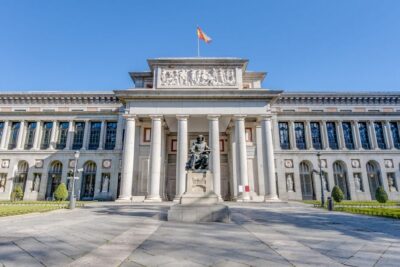
Small Group of Prado Museum Tour & Optional Tapas
Read our review →
Prado Museum Guided Tour with Skip-the-Line Ticket
Read our review →
Browse the lists this tour appears in