
REVIEW · BARCELONA
Barcelona: Picasso Walking Tour with Picasso Museum Tickets
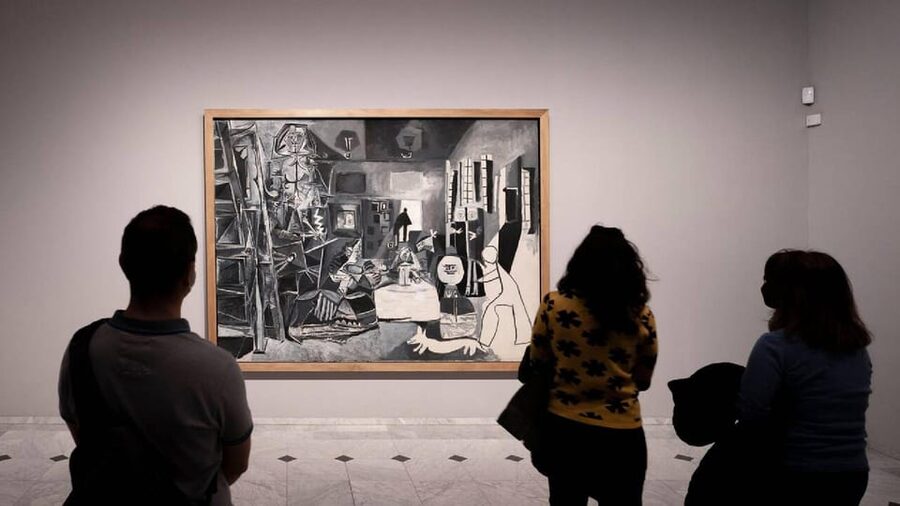
Picasso’s Barcelona comes into focus inside the Picasso Museum, where early paintings, drawings, ceramics, and sculptures show an artist still testing his way forward. The visit begins with his youth and follows changes in color, subject, and technique through the Blue Period, Rose Period, and Cubism.
I like the small group size, limited to eight, and the chance to skip the ticket line. I also like the freedom to study the galleries at your own speed rather than being pulled from one work to the next. The catch is important: the guide does not lead you through the museum. The guided option gives you an outside briefing and ticket assistance, followed by a self-guided visit.
Recent feedback is mixed, with an overall rating of 3.5 from 93 bookings. Two dated complaints describe a closure notice arriving the day before and another booking that supplied tickets without the promised tour. Confirm the exact option and museum opening status before you set out.
Key points to know before you book
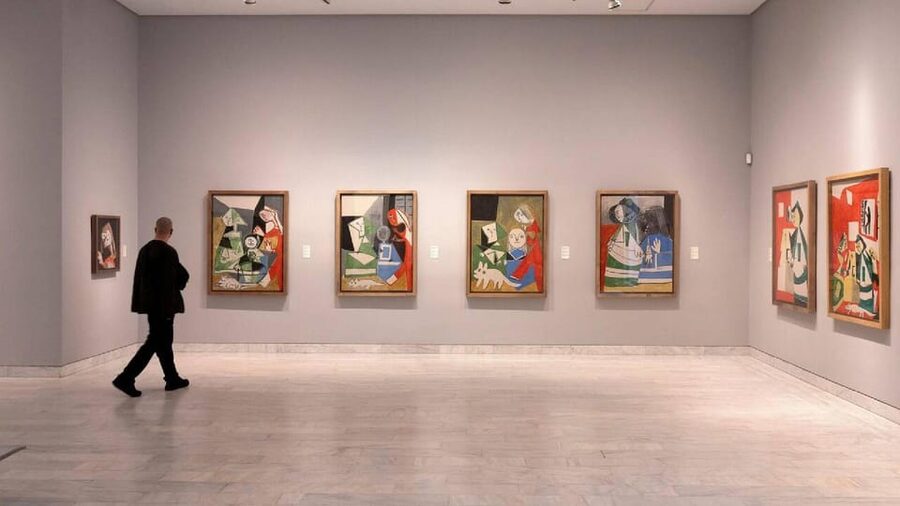
- Picasso’s early years take center stage: You see work from his youth before moving into the Blue Period, Rose Period, and Cubism.
- The guided option is not a guided museum tour: An outside guide gives a roughly 30-minute briefing, helps you enter, and then leaves you to explore for about 90 minutes.
- Tickets-only means exactly that: You receive museum admission but no orientation or guidance.
- The small group is limited to eight: That keeps the initial briefing more personal, though the museum portion is still independent.
- The museum covers more than paintings: Sculptures, ceramics, drawings, and other three-dimensional works help show Picasso’s range.
- The $37 price needs careful comparison: It may suit you for skip-the-line entry and a short orientation, but the tickets-only choice may offer limited added value.
Starting at the Picasso Museum in Barcelona
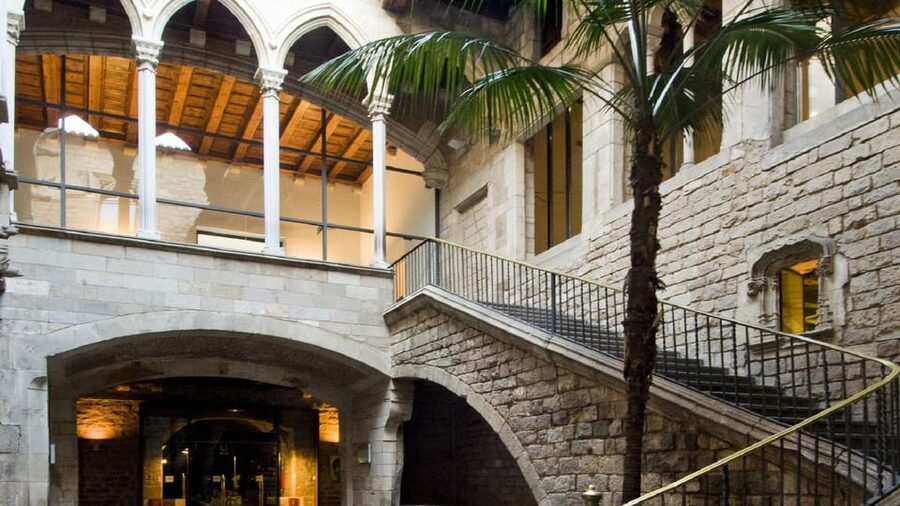
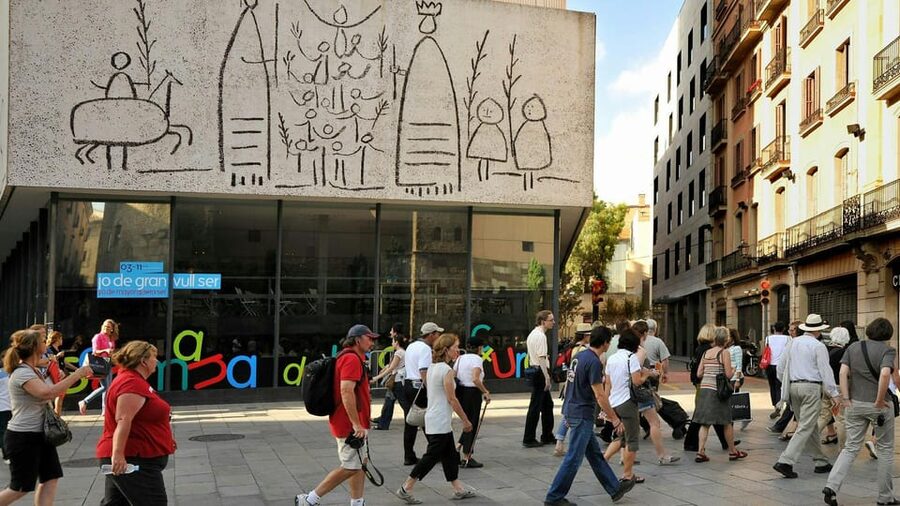
You meet at the Picasso Museum, which makes the starting point straightforward if you are already exploring the historic center. There is no hotel pickup or drop-off, so you need to make your own way to the museum and arrive ready to find the meeting point.
The experience lasts two hours. If you choose the guided option, the first part is an outside briefing of about 30 minutes. This is the useful part for getting your bearings, hearing about Picasso’s connection to Barcelona, and understanding the surrounding area before you enter.
The guide speaks English or Spanish, depending on the option and availability shown when you book. The group is capped at eight people, a sensible limit for a short street-side orientation. Still, keep your expectations in check. This is not a two-hour guided museum tour.
After the briefing, the guide gives you your entry tickets and helps you get inside. The remaining 90 minutes are yours. That arrangement suits you if you like a quick introduction and then prefer to set your own pace. It will disappoint you if you want a guide beside you explaining each painting.
More Art Museum Tours in Barcelona
- Barcelona: Picasso Museum Skip-the-Line Guided Tour
★ 4.5 · 3,355 reviews - Girona & Dali Museum Small Group Tour with Pick-up from Barcelona
★ 5.0 · 2,965 reviews - From Barcelona: Girona, Figueres, Dalí Museum, and Cadaqués
★ 4.7 · 1,928 reviews
Picasso’s Barcelona before the galleries
The outdoor briefing is meant to connect the museum visit with Picasso’s life in Barcelona. You consider the area where the young artist worked and developed, then enter the museum with a basic sense of place.
That context matters because the museum is not simply a greatest-hits display. Its strongest feature is the chance to watch Picasso change. You begin with work from his younger years, then see shifts in line, color, subject, and method.
The information provided does not name individual guides, so you should not book expecting a particular person. The useful promise is more modest: an English- or Spanish-speaking guide, a small group, help with entry, and a short introduction outside.
If you select tickets only, skip the briefing altogether. You go directly to the museum on your own and complete the visit independently. This can work well if you already know Picasso’s story or plan to use the museum’s audio guide, but it reduces the experience to admission arranged by a third party.
Early paintings and the making of an artist
The opening works show Picasso when he was young. You see paintings, sketches, and drawings that help explain how his eye and hand developed before the famous later styles took over.
This is the part I would give proper time. It is easy to rush toward Cubism because that is the name most people recognize, but the early material gives you a better way to read everything that follows. Look for changes in drawing, structure, and the way figures are placed on the page.
An audio guide may help you understand individual works. The experience does not include a guided explanation inside the museum, so the audio guide becomes especially useful if you want dates, background, and a clearer account of Picasso’s working methods.
You do not need to know art theory to enjoy this section. Pay attention to the movement from careful observation toward a more personal and experimental style. The museum becomes most rewarding when you treat it as a story of development rather than a room-by-room checklist.
The Blue Period’s quiet, difficult mood
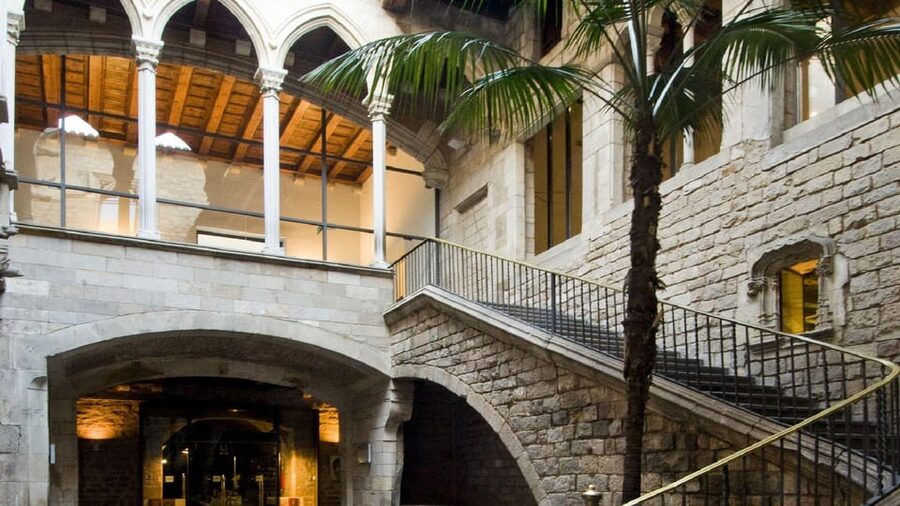
The Blue Period collection brings a sharp change in tone. Blue colors dominate, and the subjects often suggest poverty, pain, injury, and loneliness.
This is a good place to slow down. Instead of looking only for famous titles, notice how color changes the emotional weight of a scene. The repeated blue tones can make the rooms feel restrained and sorrowful, especially after the more varied early works.
The collection also gives you a useful reminder that Picasso’s style was tied to subject matter. The mood is not created by color alone. The people he chose to depict and the way he positioned them carry much of the effect.
If you prefer lighter or more immediately accessible art, this section may feel demanding. That is part of its value, but you should leave enough time for the later galleries instead of spending the whole visit here.
More Picasso museum visits:
- Picasso Museum Skip-the-Line Guided Tour
★ 4.5 · 1,079 reviews - Barcelona: Small Group Picasso Tour with Picasso Museum
★ 4.6 · 698 reviews - Picasso Museum and Walking Tour Plus Optional Wine & Food Tasting
★ 5.0 · 596 reviews - Picasso Small Group Walking Tour with Museum Skip the Line Ticket
★ 4.0 · 548 reviews
The Rose Period brings warmer color
The Rose Period shows Picasso moving in a brighter direction. Colors become warmer, and circus performers and harlequins appear among the subjects.
You can compare this section directly with the Blue Period. The change is not just a matter of replacing blue with pink or red. The subjects and emotional tone shift too, with more attention to performance, affection, and happiness.
The circus figures are particularly useful for understanding Picasso’s interests at this stage. They gave him distinctive bodies, costumes, poses, and characters to study. Look at how those figures allow him to play with shape and gesture.
This gallery may be easier to enjoy on a first visit because the colors feel more welcoming. Still, do not treat it as a simple happy period. The best approach is to look for both the warmth and the underlying structure of the drawings and paintings.
Cubism, broken shapes, and new viewpoints
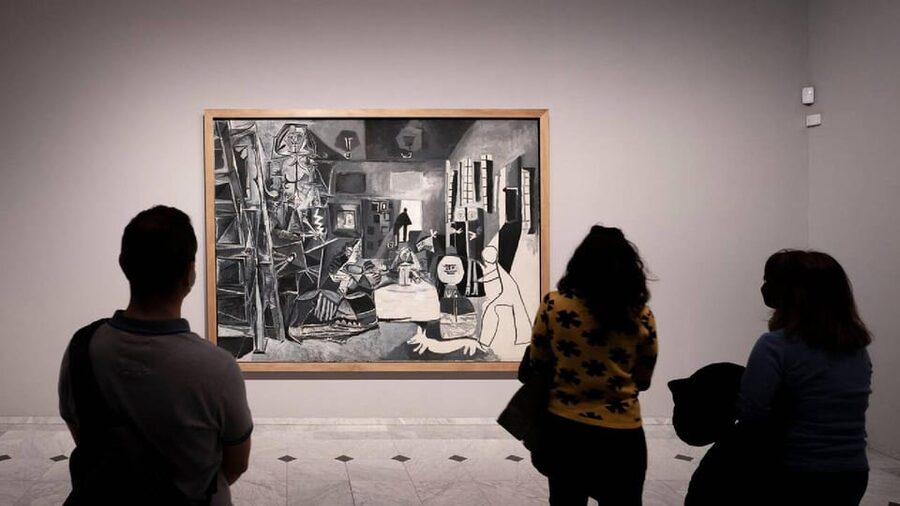
The Cubism section is the most radical part of the route. Here you see geometric forms, broken-up shapes, and more than one viewpoint presented within the same work.
You may need time to adjust. Picasso is no longer showing a subject from one clear angle in a conventional way. Instead, the image may separate and rebuild the subject through planes, angles, and overlapping views.
The key is not to ask only what the picture represents. Ask how Picasso is making you look at it. The work challenges the usual order of seeing, and the museum setting lets you compare this approach with the earlier paintings nearby.
Without a museum guide beside you, the Cubism rooms may be the place where an audio guide helps most. If you choose tickets only and skip all interpretation, you can still look closely, but you may miss the connection between the earlier experiments and this major change.
Sculpture and ceramics beyond the canvas
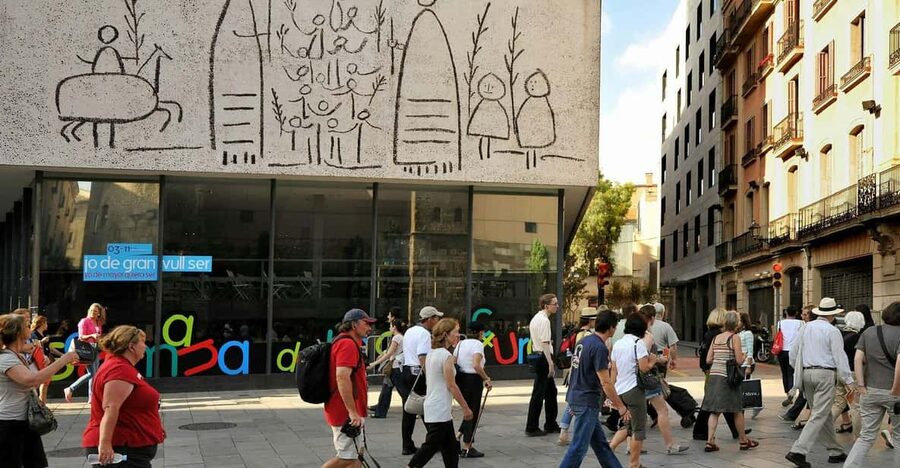
Picasso’s sculptures and ceramics give the visit a welcome change of scale. You are no longer looking only at flat surfaces. Three-dimensional pieces show how he handled volume, texture, and materials.
This section is valuable for anyone who thinks of Picasso only as a painter. Sculptures make you consider the object from different angles, while ceramics show how an everyday material can become part of an artistic idea.
The displays also break up the visual rhythm of the paintings. After the dense surfaces of the Cubism galleries, a sculptural work can give your eyes a different task. You can move around it mentally, even if the museum layout controls how closely you view it.
The information provided does not list individual objects or specific ceramic techniques, so do not arrive expecting a named masterpiece list. Instead, treat this area as a broad look at Picasso’s work in three dimensions.
The workshop and Picasso’s creative process
The workshop section offers a glimpse of the kind of space where Picasso developed ideas and turned them into finished works. It is intended to help you think about process, not just results.
That makes it a useful stop near the end of the visit. After seeing the polished paintings and sculptures, you can consider how sketches, trials, and changes might lead to a final piece.
The available details do not confirm how the workshop is presented or whether it contains original furnishings. Go with the general expectation of a creative-space display rather than a fully preserved personal studio.
For me, this part works best if you have already spent time with the early drawings. The drawings show an artist testing ideas on paper, while the workshop offers a setting for thinking about how those ideas might have grown.
Ninety minutes inside, so manage your time
The self-guided museum visit lasts about 90 minutes after the outside briefing. That is enough for a focused first visit, but you cannot study every work at length.
I would divide the time roughly like this:
- Give the early works and Blue Period a careful look.
- Compare the Blue and Rose Period sections rather than treating them as separate stops.
- Reserve enough time for Cubism, which often takes longer to understand.
- Finish with sculptures, ceramics, the workshop, and the shop.
These are planning suggestions, not a fixed schedule. You may prefer to spend most of your time with paintings, or you may be more interested in ceramics and sculpture.
Comfortable shoes and comfortable clothes are recommended. Food and drinks are not allowed, and large bags or luggage are not permitted. Pets are also not allowed. Since the activity is not suitable for people with mobility impairments or wheelchair users, check your own needs carefully before booking.
The museum shop and the limits of the package
The museum shop is a final stop for Picasso-themed gifts and items connected with famous works. It can be a pleasant way to finish, especially if you want a small reminder of the visit rather than another major sightseeing stop.
The shop is not included in the $37 price, of course. The listed price covers entry tickets, and the outside guide only comes with the guided option. There is no hotel transfer, food, drink, or inside museum guide included.
At $37 per person, the value depends heavily on your selection. The guided option gives you a short introduction, local context, and help getting through the entrance process, all in a group of no more than eight. That may be worth paying for if you want a simple start and do not want to manage the ticket process alone.
The tickets-only option is harder to justify without comparing the price with the museum’s own admission options. One dated complaint from Italy described receiving museum tickets without a tour and feeling they had paid twice the expected price. I cannot verify the exact price paid in that case, but the warning is useful: check what the $37 includes before selecting tickets only.
A note about cancellations and recent problems
You can cancel up to 24 hours before the activity for a full refund, and the reserve-now-pay-later feature lets you hold a place without paying immediately. Those terms offer some flexibility, but they do not remove the need to check the booking details.
Two recent dated complaints raise practical concerns. A booking from Denmark was reportedly canceled by message the day before because the museum was closed on the selected date. Another booking from Italy described no tour and no guide, only museum tickets.
These are serious issues because the product depends on the exact option and on the museum being open. Check your confirmation, verify the selected date, and make sure it clearly says tickets only or guided option. If the guide matters to you, do not assume that the word guided means a guide will walk through the galleries with you.
The overall score is 3.5 from 93 reviews, so the experience has not been uniformly poor, but it is not a purchase I would make without reading the final booking details carefully.
Who should book this Picasso visit?
I would consider it a good fit for an art lover who wants a focused introduction to Picasso’s Barcelona, values skip-the-line entry, and prefers to explore independently after a short briefing.
It also suits a first-time museum visitor who wants a basic path through Picasso’s changing styles. The early works, Blue Period, Rose Period, Cubism, sculpture, and ceramics give you a clear structure for a two-hour visit.
I would be more cautious if you expect a full guided tour. The guide does not enter the museum with you, and the main 90-minute portion is self-guided. You should also think twice if you need wheelchair access or have a mobility impairment, since the activity is listed as unsuitable.
Should you book it?
Book this experience if you want museum admission plus a short outside orientation, and you are happy to explore the galleries by yourself. The small group and skip-the-line entry are useful, while the collection offers a clear look at Picasso’s growth from young artist to Cubist innovator.
Choose tickets only only if the price makes sense after you compare it with other admission choices. If you want detailed explanations beside each artwork, this is not the right format. For the guided option, confirm the date, the exact inclusions, and the meeting instructions before paying, especially given the recent complaints about closures and missing guidance.
FAQ
Where does the Picasso walking tour meet?
The meeting point is the Picasso Museum in Barcelona.
How long does the activity last?
The activity lasts two hours. With the guided option, the first 30 minutes are an outside briefing, followed by about 90 minutes inside the museum on your own.
Is the museum portion guided?
No. The museum visit is self-guided. The outside guide only provides the briefing and helps you receive your tickets and enter the museum.
What is included in the price?
Entry tickets are included. An outside guide is included only when you select the guided option.
Are English and Spanish available?
Yes. The listed live guide languages are English and Spanish.
Can I visit without choosing the guided option?
Yes. The tickets-only option gives you entry tickets, but no guidance. You complete the museum visit independently.
Is the activity suitable for wheelchair users?
No. The activity is listed as unsuitable for wheelchair users and people with mobility impairments.
More Art Walks in Barcelona
- Barcelona: Picasso Museum Entry, Digital Guide & Born Walk
★ 3.6 · 148 reviews - Picasso Museum and Walking Tour Plus Wine Tasting Upgrade
★ 4.3 · 111 reviews - Barcelona Art and Tapas Small Group Walking Tour with Picasso Museum
★ 5.0 · 40 reviews - Private Barcelona Art and Tapas Walking Tour with Picasso Museum
★ 5.0 · 34 reviews
Just added around Barcelona
- Self-Guided Audio Tour-The Surrealist Barcelona of Dalí and Gaudí★ 3.5 · 8 reviews
- Dali Museum, Figueres & Cadaques Private Tour with Hotel pick-up★ 5.0 · 46 reviews
- Xcape Room Bcn: Corpse Gallery Escape Room Barcelona★ 5.0 · 3 reviews
- From Barcelona: Private Girona and Figueres with Dali Museum Tour★ 5.0 · 113 reviews
- Picasso Museum in Barcelona: Guided Tour with Expert Guide★ 4.5 · 55 reviews
- Private Dalí Museum and Tour from Barcelona★ 5.0 · 4 reviews
- Picasso Museum private tour and walk in El Born district★ 4.5 · 10 reviews
- Private Barcelona Art and Tapas Walking Tour with Picasso Museum★ 5.0 · 34 reviews
Art Museum Tours in Barcelona, compared.
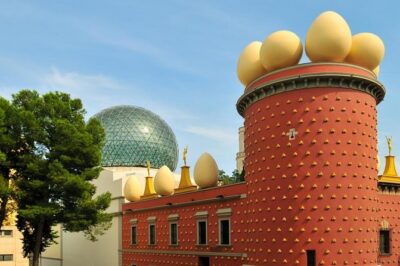
Girona & Dali Museum Small Group Tour with Pick-up from Barcelona
Read our review →

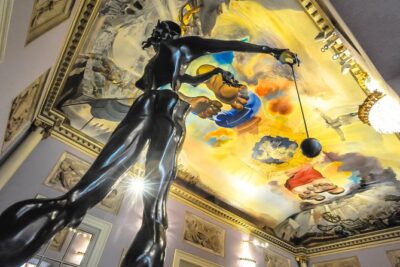
Dali Museum, House & Cadaques Small Group Tour from Barcelona
Read our review →
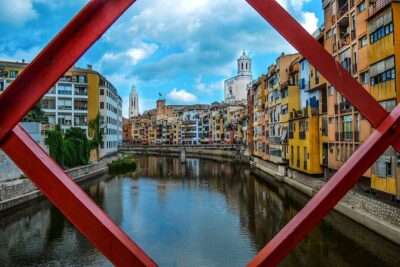
Girona and Dali Museum Full Day tour from Barcelona
Read our review →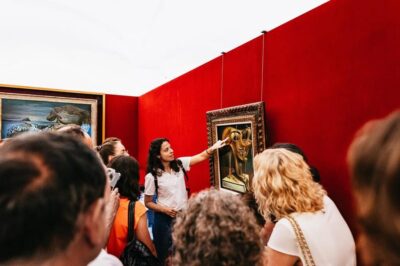
Browse the lists this tour appears in