
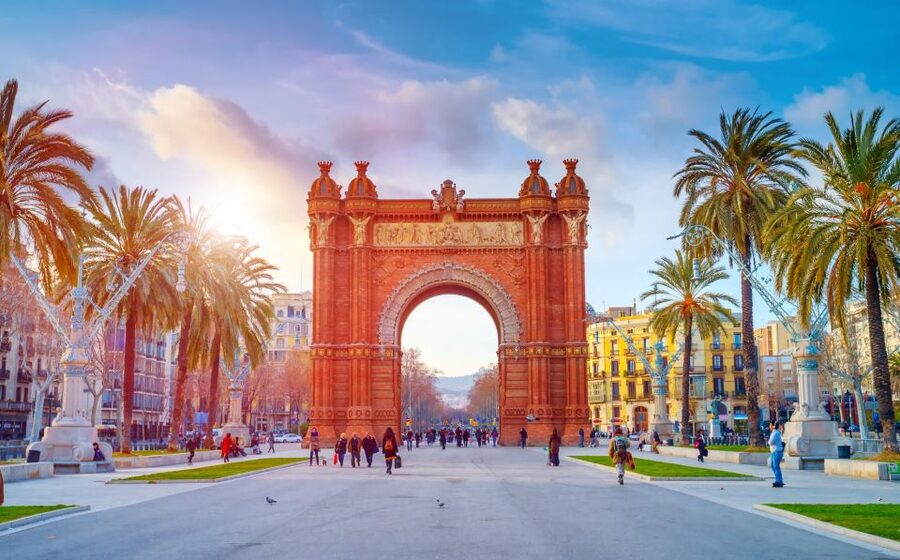
REVIEW · BARCELONA
Picasso Tour in Barcelona with Skip-the-Line Museum
Picasso’s Barcelona story begins on the street, not behind glass. This tour traces his early years through La Rambla, the Gothic Quarter, Carrer d’Avinyo, and the places tied to his work, then offers a timed visit to the Picasso Museum on the four-hour option. Montserrat, praised for her excellent guidance, is one of the named guides connected with the experience.
I like two things here: the tour links Picasso to Barcelona’s wider art scene, including Catalan Modernism, Gaudi, Dali, and Miró, and it takes you beyond the usual museum talk into streets, studios, schools, and personal connections. The main consideration is price: at $206 per person, this makes the most sense if you value a private guide and choose the museum option, rather than simply wanting a quick look at Picasso’s paintings.
Key points to know before booking

- Picasso’s early Barcelona is the focus: Follow the artist’s path through La Rambla, the Gothic Quarter, Carrer d’Avinyo, and Carrer dels Escudellers.
- The two-hour tour is city-based: It ends outside the Picasso Museum, but museum admission is not included.
- The four-hour option includes timed museum entry: You enter the permanent collection without waiting at the ticket office.
- Your guide is an art specialist: Commentary covers Picasso, Catalan Modernism, Cubism, Gaudi, Dali, Miró, and other Spanish and Catalan artists.
- This is a private tour: The two-hour format allows up to 25 people per guide, while museum rules limit one guide to groups of 1 to 9.
- The route mixes famous and personal places: You see the Royal Academy of Arts, Santa Maria del Mar, Picasso’s former studio area, and the residence of his first wife.
Why Picasso’s Barcelona story works best on foot
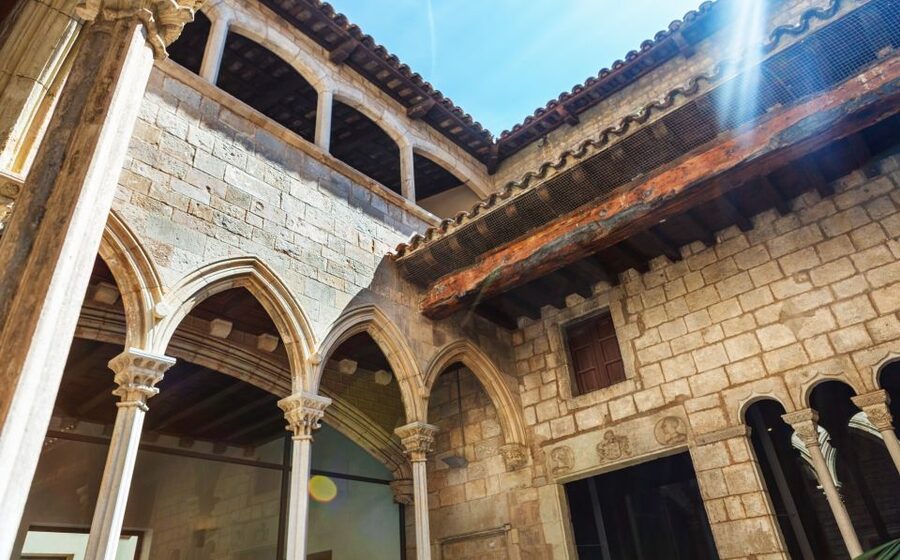
Picasso’s connection with Barcelona was not a brief holiday affair. His family moved here in 1895 after the death of his little sister, and the city became a major setting for his first serious artistic development.
That makes the walking route useful. You are not simply looking at a painting and hearing a date. You are moving through the streets where Picasso studied, worked, socialized, and found subjects for his art. The city becomes part of the explanation.
The tour also places Picasso within a broader Catalan setting. Barcelona was home to artists who challenged old ideas about form and decoration. Antoni Gaudi’s early Modernist work, the influence of Catalan design, and the later Cubist movement all fit into the story your guide explains.
I appreciate that wider frame. Picasso is important enough to fill an entire tour, but treating him as if he appeared from nowhere leaves out much of what made Barcelona useful to him. You will hear about Salvador Dali, Joan Miró, Gaudi, and other artists as part of the city’s creative culture.
The route begins in front of the Oriente Atiram Hotel on Rambla dels Caputxins, 45. Do not go inside the hotel. It is only the meeting point, and the hotel staff is not informed about the tour.
More Art Museum Tours in Barcelona
- Barcelona: Picasso Museum Skip-the-Line Guided Tour
★ 4.5 · 3,355 reviews - Girona & Dali Museum Small Group Tour with Pick-up from Barcelona
★ 5.0 · 2,965 reviews - From Barcelona: Girona, Figueres, Dalí Museum, and Cadaqués
★ 4.7 · 1,928 reviews
La Rambla and the first steps into Picasso’s city
La Rambla is a practical place to begin because it has long been connected with Barcelona’s public and artistic life. Your guide sets the scene here before leading you into the older streets.
This opening is less about a single Picasso landmark and more about getting the city’s artistic geography in place. You learn why Barcelona attracted painters and designers, and how its streets helped connect ordinary city life with ambitious art.
From here, the route takes in Güell Palace. This is one of Antoni Gaudi’s early examples of Modernist architecture, and it gives you a quick lesson in the visual world Picasso knew in Barcelona.
Do not expect a full Gaudi tour. The palace appears as part of a larger art route, so the stop is useful mainly for context. If Gaudi is your main interest, you will need a separate visit to explore his work properly. If you want to understand the setting that shaped Barcelona’s artists, it fits well.
Carrer d’Avinyo and the story behind The Young Ladies of Avignon
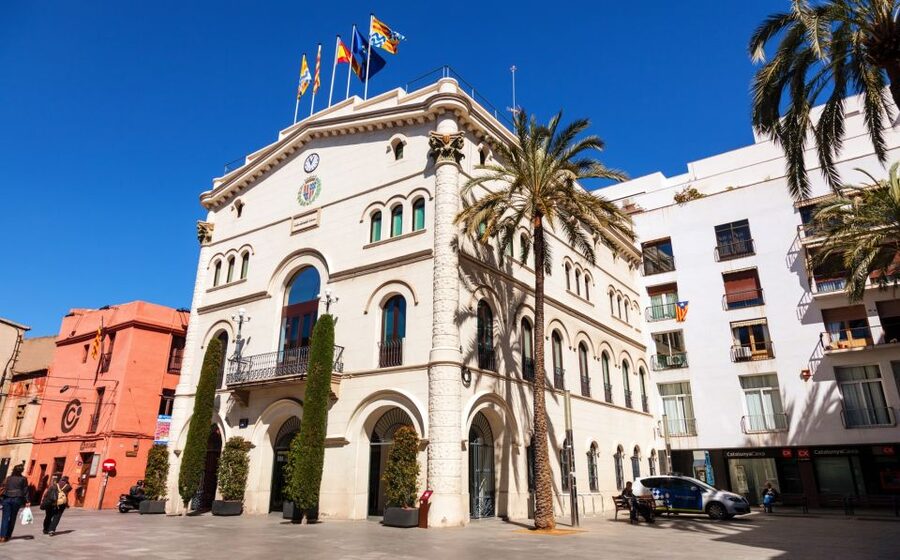
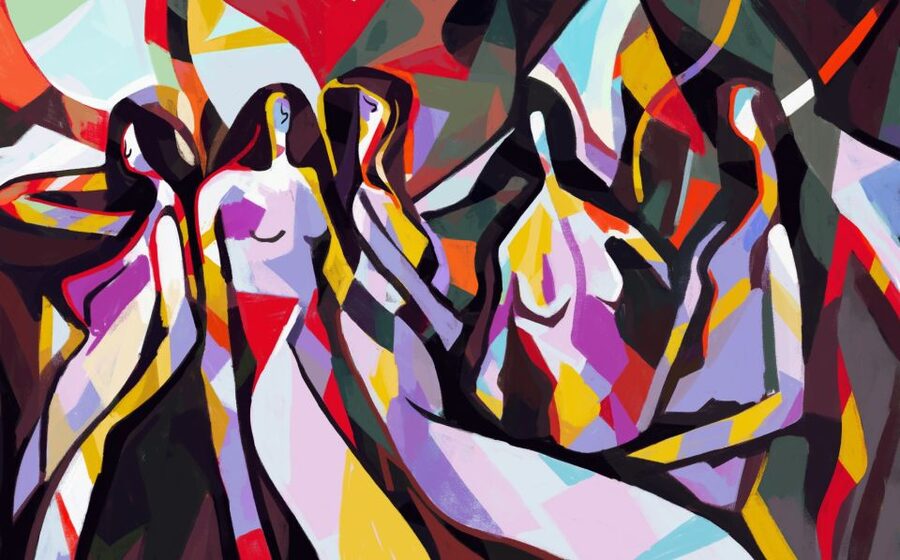
The Gothic Quarter is where the route becomes more personal. Its winding streets lead you to Carrer d’Avinyo, a place associated with the women Picasso visited and with the inspiration for The Young Ladies of Avignon.
This is one of the more provocative parts of the tour. Picasso’s art often unsettled viewers, and the story behind this painting is not neat or romantic. Your guide can connect the street, Picasso’s experiences, and the painting’s fractured style without separating the artist from the city that fed his imagination.
The stop also helps explain Cubism. Rather than treating Cubism as a strange idea that appeared suddenly, the tour shows how Picasso’s way of seeing grew from real people, places, and artistic influences.
You should keep your expectations realistic. You will see the street connected with the story, not the painting itself in its original setting. The value lies in the explanation and in recognizing how a familiar urban place can be transformed into something far more radical on canvas.
Carrer dels Escudellers and Picasso’s working life
The route continues to Carrer dels Escudellers, where Picasso had a studio in 1899. This detail matters because it shifts the story from the young artist as an observer to Picasso as a working professional.
A studio address can sound minor, but it gives the tour a useful sense of daily routine. Picasso was not only a famous name producing finished masterpieces. He was also a young artist finding space, building skill, and working through ideas in a city that supported his growth.
Your guide may also connect this area to the myths and stories surrounding Picasso’s life. That is helpful because Picasso’s reputation has attracted plenty of dramatic tales. An art historian can separate the entertaining stories from the more useful facts and show how they relate to his work.
The route remains a walking tour through the old city, so uneven streets and a steady amount of walking are part of the experience. The tour is listed as wheelchair accessible, but the Gothic Quarter’s historic street layout may still make it sensible to confirm practical needs before booking.
More Picasso museum visits:
- Picasso Museum Skip-the-Line Guided Tour
★ 4.5 · 1,079 reviews - Barcelona: Small Group Picasso Tour with Picasso Museum
★ 4.6 · 698 reviews - Picasso Museum and Walking Tour Plus Optional Wine & Food Tasting
★ 5.0 · 596 reviews - Picasso Small Group Walking Tour with Museum Skip the Line Ticket
★ 4.0 · 548 reviews
Passeig de Colom, Olga Khokhlova, and the seafront view
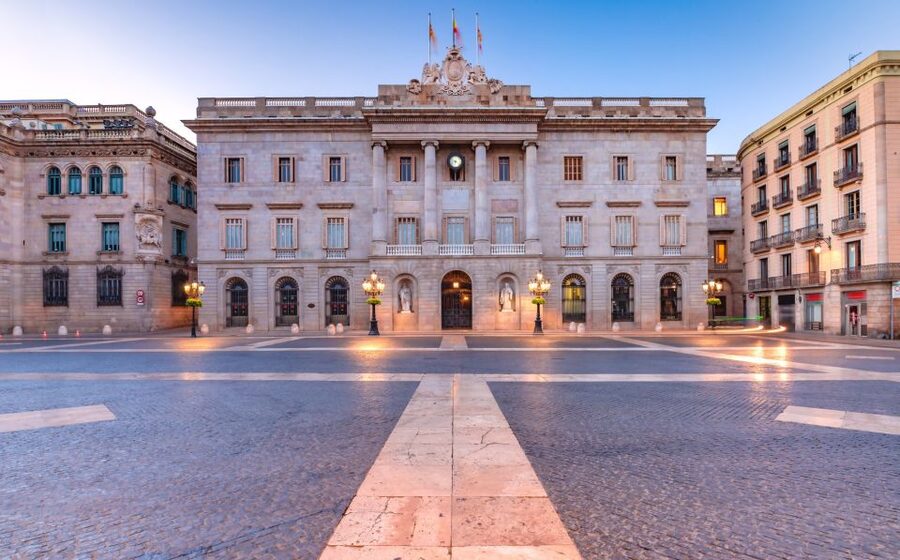
After the older streets, the route reaches Passeig de Colom along the seafront. This section broadens the story again, linking Picasso’s personal life with the city beyond his early studios.
You pass the former residence of Picasso’s first wife, the Russian ballerina Olga Khokhlova. It is a small but revealing detail, especially for visitors interested in the people around Picasso rather than only his paintings.
You also see El Cap de Barcelona, Roy Lichtenstein’s large abstract sculpture. This stop brings the story into the modern period and shows that Barcelona’s public art did not stop with Picasso or Gaudi.
The sculpture is not a Picasso work, but its inclusion makes sense. The tour is about Barcelona as a place where artists kept testing the limits of public art, design, and representation. It also prevents the route from becoming a narrow biography.
The Royal Academy of Arts and Santa Maria del Mar
The Royal Academy of Arts is another important stop. Picasso attended there, so you get a direct connection to his formal artistic training.
This matters because Picasso’s later freedom depended partly on skills he developed through study. His work may look like a rejection of academic rules, but a good art tour explains what those rules were before showing how he challenged them.
The Basilica of Santa Maria del Mar adds another layer to the walk. Its presence helps you read Barcelona as a city where religious buildings, medieval streets, Modernist architecture, and modern sculpture sit close together.
The route is strongest when these stops are treated as pieces of one story. You are not visiting a long list of unrelated attractions. You are following the physical city around Picasso, then seeing how other artists fit into the same urban setting.
Choosing between two hours and four hours
The two-hour tour is the better choice if you want a focused introduction to Picasso’s Barcelona and prefer to spend the rest of your day independently. You see the main route, hear the artistic background, and finish outside the Picasso Museum.
That final detail is important: museum admission is not included in the two-hour option. You can arrange your own museum visit, but you will not receive the included skip-the-line entry that comes with the longer tour.
The four-hour tour adds the Picasso Museum with a reserved entry time. You enter the permanent collection without waiting at the ticket office, which is useful at a popular museum where an unplanned visit can eat into your day.
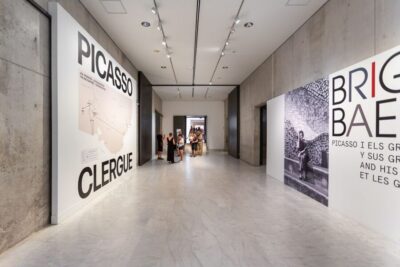
The longer option is not simply two hours of extra walking. It gives the street route a visual payoff. After hearing about Picasso’s Barcelona, you can see more than 3,500 sketches and paintings connected with his development.
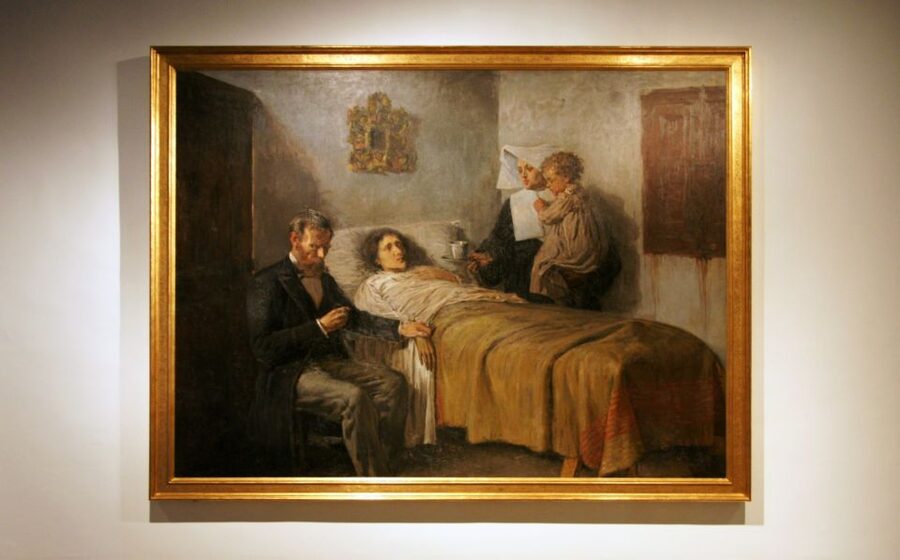
The museum collection includes works such as The First Society from 1896, Science and Charity from 1897, and Roofs of Barcelona from 1903. These examples help you follow Picasso’s progress from early work toward the artistic maturity associated with his name.
The museum visit covers the permanent collection only. Temporary exhibitions are not part of the included admission, so check your priorities before booking if a special exhibition is your main goal.
What the Picasso Museum adds to the experience
The Picasso Museum is especially valuable here because it focuses on the artist’s close relationship with Barcelona. The city walk gives you locations and stories, while the museum shows the development of his technique across actual works.
I like this order. You first encounter the city as Picasso encountered it, then you see how he translated that experience into art. The paintings carry more weight when you already know the streets, academy, studios, and personal connections behind them.
The museum collection also includes more than 3,500 sketches and paintings, many donated by Picasso himself. That makes the visit broader than a greatest-hits display. You get a chance to see process, study, and development rather than only the finished works most familiar from art books.
A private guide can be particularly useful in a collection of this size. Without a plan, you might spend too much time on one section or miss the relationship between the early paintings and the later work. The guide’s commentary helps you decide what deserves your attention.
Still, four hours is a serious art commitment. If museums wear you out quickly, the two-hour walk may be a better fit. You can always see the museum separately, though you would not have the same included timed entry.
Private guiding, languages, and group size
This is a private experience, with a licensed art guide who speaks the language selected at booking. English, French, German, Italian, and Spanish are available.
The private format gives you room to ask about Picasso, Cubism, Catalan Modernism, or a particular building along the route. That flexibility is more valuable here than on a simple sightseeing walk because the subject can move quickly between biography, architecture, painting, and local culture.
The two-hour format is designed around a maximum of 25 people per guide. If your party or booking needs more than one guide, the price rises. The four-hour museum format is more tightly limited because of museum rules: one licensed guide can lead a group of 1 to 9 people.
These limits are worth checking before you book. The smaller museum group should make it easier to hear the guide and ask questions, while the two-hour option may suit a larger private party but can cost more if additional guides are needed.
A verified booking praised Montserrat as an excellent guide, and another short review described the guide as topgids, meaning top guide. The feedback is limited, but it does point toward the strongest part of the experience: the quality of the person explaining the art.
Is $206 per person good value?
At $206 per person, this is not a budget walk. The price buys a private experience, a licensed art guide, and, on the four-hour version, timed admission to the permanent Picasso Museum collection.
The value depends on how much structure you want. If you are happy to read about Picasso yourself and walk the Gothic Quarter without help, you can spend less. If you want an art specialist to connect places, people, architecture, and paintings in one carefully planned route, the price is easier to justify.
The four-hour option offers the clearest value because the museum ticket and reserved entry are included. You also avoid the ticket-office queue and gain a guide for the collection. The two-hour option is more expensive per hour in practical terms, but it may suit you if you want a shorter private introduction and do not need museum admission.
For a couple, family, or small group sharing the private format, the experience may feel more worthwhile than for a solo visitor. The booking price is listed per person, so compare the total cost for your party before deciding.
Free cancellation up to 24 hours before the tour and a reserve-now, pay-later option provide useful flexibility. Check the starting times when booking, and read the email sent the day before for final meeting details.
Who should book this Picasso tour?
I would recommend it to you if Picasso is a main reason for visiting Barcelona, or if you want an art-focused walk that reaches beyond the usual Gaudi stops.
It also suits first-time visitors who want the Gothic Quarter explained through a particular theme. Instead of wandering without a plan, you follow a clear route from La Rambla through Picasso’s early Barcelona and finish at the museum on the longer version.
The tour is a good match for adults and older children who already enjoy art or biography. The subject includes Picasso’s visits to women on Carrer d’Avinyo, his first wife, Cubism, and artistic myths, so it is not designed as a simple child-focused sightseeing walk.
You may want to skip it if your priority is a full Gaudi tour, a general Barcelona overview, or the lowest possible price. The route includes Gaudi and other artists, but Picasso remains the central figure.
Should you book it?
Book the four-hour tour if you want the complete experience: Picasso’s streets, an art historian guide, and timed entry to the museum’s permanent collection. It gives you the strongest connection between Barcelona’s places and Picasso’s paintings.
Choose the two-hour version if you want a shorter private walk and already have museum plans. Just remember that it ends outside the museum and does not include admission.
The limited feedback is highly positive, with particular praise for Montserrat’s guidance, but there are only two ratings to consider. Even so, the route is specific, the subject is well focused, and the museum option removes a practical headache. For an art-minded visit to Barcelona, that combination makes this a sensible splurge.
FAQ
Where does the Picasso tour meet?
Meet your guide in front of the Oriente Atiram Hotel Barcelona at Rambla dels Caputxins, 45, 08002 Barcelona, Spain. Do not enter the hotel, since it is only the meeting point and hotel staff are not informed about the tour.
How long is the tour?
You can choose a two-hour walking tour or a four-hour version that adds the Picasso Museum.
Is the Picasso Museum included in the two-hour tour?
No. Picasso Museum admission is not included in the two-hour option.
Does the four-hour tour include skip-the-line museum entry?
Yes. The four-hour tour includes a reserved time slot that lets you enter without waiting in the ticket-office line. Admission is for the permanent collection only.
What languages are available?
The live guide is available in English, French, German, Italian, and Spanish.
Is this a private tour?
Yes. The experience is offered as a private group tour.
How large can the group be?
For the two-hour tour, one licensed guide is recommended for a maximum of 25 people. For the four-hour museum tour, museum rules limit one licensed guide to groups of 1 to 9 people.
Is the tour wheelchair accessible?
Yes, the activity is listed as wheelchair accessible.
What happens if I need to cancel?
You can cancel up to 24 hours in advance for a full refund. A reserve-now, pay-later option is also available.
More Skip-the-Line Tickets in Barcelona
- Barcelona: Skip-the-Line Entry to 6 Top Art Museums
★ 4.5 · 730 reviews - Barcelona: Skip-the-Line Guided Tour of the Picasso Museum
★ 4.6 · 127 reviews - Skip The Line – Early Picasso Museum and Born Neighborhood
★ 3.5 · 2 reviews - Florence: Skip-The-Line Uffizi Gallery Timed Entry Ticket
★ 4.5 · 27,832 reviews
Just added around Barcelona
- Self-Guided Audio Tour-The Surrealist Barcelona of Dalí and Gaudí★ 3.5 · 8 reviews
- Dali Museum, Figueres & Cadaques Private Tour with Hotel pick-up★ 5.0 · 46 reviews
- Xcape Room Bcn: Corpse Gallery Escape Room Barcelona★ 5.0 · 3 reviews
- Private Dalí Museum and Tour from Barcelona★ 5.0 · 4 reviews
- From Barcelona: Private Girona and Figueres with Dali Museum Tour★ 5.0 · 113 reviews
- Picasso Museum in Barcelona: Guided Tour with Expert Guide★ 4.5 · 55 reviews
- Picasso Museum private tour and walk in El Born district★ 4.5 · 10 reviews
- Private Barcelona Art and Tapas Walking Tour with Picasso Museum★ 5.0 · 34 reviews
Art Museum Tours in Barcelona, compared.
Girona & Dali Museum Small Group Tour with Pick-up from Barcelona
Read our review →
Dali Museum, House & Cadaques Small Group Tour from Barcelona
Read our review →
Girona and Dali Museum Full Day tour from Barcelona
Read our review →
Browse the lists this tour appears in